
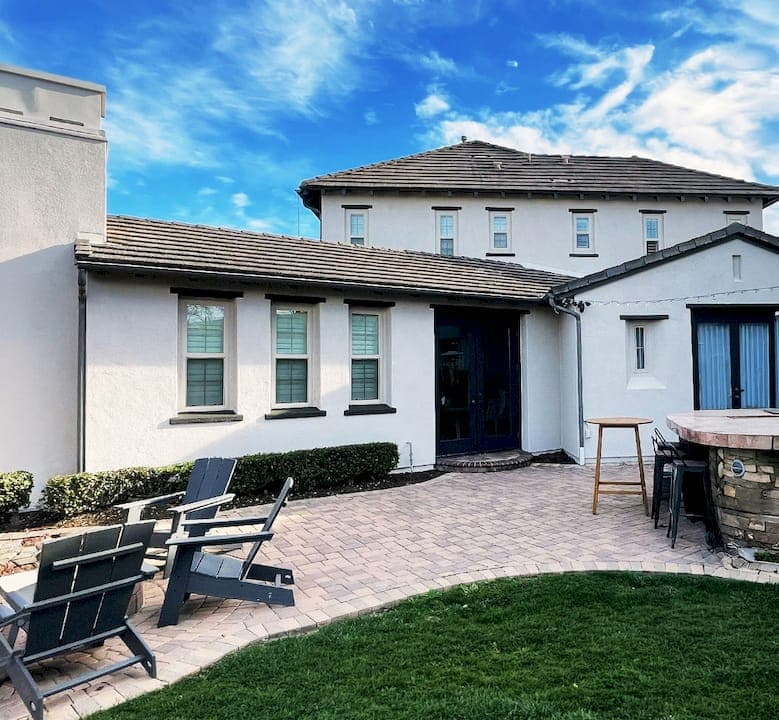
Most homeowners assume any bright, sunny day is fair game for exterior painting. That assumption costs people thousands of dollars every year in premature paint failure. The truth is that temperature, humidity, coastal fog, and even wind direction all play a role in whether your paint job lasts a decade or starts peeling within two years. In South Bay, CA, where microclimates shift block by block and marine layer rolls in without warning, getting the weather right is just as important as choosing the right paint color. This guide breaks down exactly what to watch for and when to schedule your project.
Table of Contents
Key Takeaways
| Point | Details |
|---|---|
| Weather impacts durability | Proper timing ensures your exterior paint lasts longer and resists peeling. |
| Humidity and temperature matter | Too much moisture or extreme heat can ruin the finish or cause paint failure. |
| Local climate affects painting windows | South Bay microclimates mean ideal painting days vary even within neighborhoods. |
| Professional planning saves money | Experienced painters plan around weather to avoid costly errors. |
| Check conditions before starting | Always verify forecast, moisture, and wind before launching your project. |
Understanding how weather affects exterior painting
Before you pick up a brush or call a contractor, it helps to know what paint actually needs to cure properly. Paint is not just a coating. It is a chemical system that requires specific environmental conditions to bond, dry, and harden the way it was designed to. When those conditions are off, the results show up fast.
Here is how each weather variable plays a role:
-
Temperature: Most exterior paints perform best when applied between 50°F and 90°F. Below 50°F, latex paint can become thick and difficult to apply evenly, and the film may not form correctly. Above 90°F, paint dries too fast on the surface while the layers underneath stay wet, which leads to cracking and poor adhesion. Optimal weather scenarios for exterior painting make this range a firm guideline, not a suggestion.
-
Humidity: High moisture in the air slows down the evaporation process that allows paint to cure. When humidity climbs above 70 to 85 percent, you risk trapping moisture under the paint film. That trapped moisture eventually has to go somewhere, and it usually comes out as bubbling or peeling.
-
Rain: Rain the day before a paint job matters just as much as rain during the job. Surfaces that look dry on the outside can still hold moisture in wood grain, stucco, or masonry. Painting over that hidden moisture is one of the most common causes of early paint failure.
-
Wind: A light breeze can actually help with drying. But strong or gusty winds carry dust, sand, pollen, and other debris that sticks to wet paint, leaving a rough and uneven finish. Wind also causes paint to dry too quickly on the surface before it properly levels out.
Pro Tip: Check your local weather app for both temperature and relative humidity before any exterior painting day. If humidity is above 70% or temperatures are expected to drop sharply after sunset, it is worth pushing the job by a day or two.
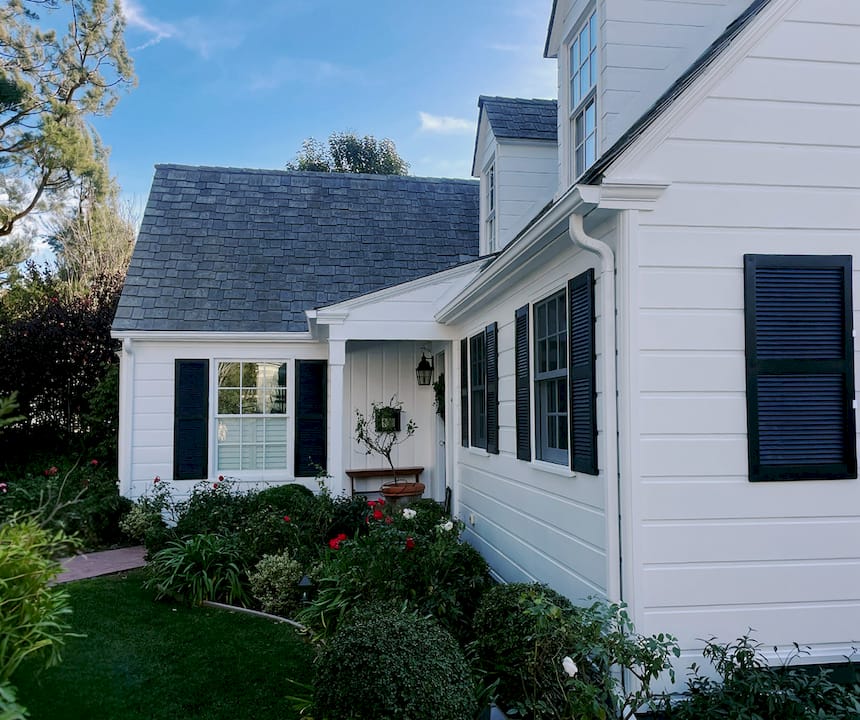
For more detailed guidance on preparing for a project, the painting tips blog covers surface prep, material selection, and scheduling in depth. And if you want to make sure your contractor understands these basics, reviewing what separates quality painters from shortcuts is covered well in avoiding bad painters.
Optimal conditions for painting in South Bay
South Bay is not a single climate. Redondo Beach, Torrance, Hawthorne, and El Segundo all sit close together, but the proximity to the coast creates real differences in humidity, fog frequency, and temperature swings. That makes scheduling more nuanced here than in inland Southern California.
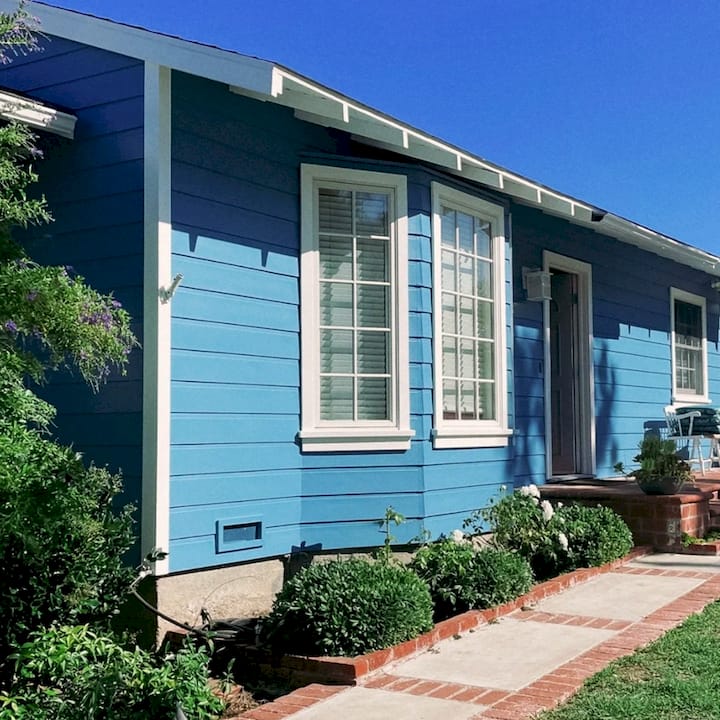
Best months for exterior painting in South Bay:
| Month | Avg. High Temp (°F) | Avg. Humidity (%) | Weather Risk |
|---|---|---|---|
| January | 65 | 72 | High fog, low temps at night |
| March | 68 | 68 | Occasional rain, improving |
| May | 72 | 65 | Near-ideal, low rain risk |
| June | 74 | 70 | June Gloom, morning fog |
| August | 80 | 62 | Excellent, low humidity |
| October | 78 | 58 | Best overall month |
| December | 64 | 74 | Fog and rain risk increases |
Based on this data, late spring (May) and early fall (September through October) consistently offer the best combination of mild temperatures and manageable humidity for exterior painting in South Bay. The seasonal painting guide goes into more detail on how time of year and seasonal weather affect project planning.
Weather risks specific to South Bay:
-
June Gloom: The marine layer that rolls in from the Pacific during late spring and early summer keeps morning humidity high and surfaces damp. Painting should not start until the fog has fully lifted, which can push start times to late morning or even noon.
-
Santa Ana winds: These dry, hot, fast-moving winds typically arrive in fall and can spike temperatures and drop humidity dramatically within hours. While low humidity sounds ideal, Santa Ana conditions cause paint to dry too fast and unevenly.
-
Coastal humidity: Even on clear days, homes within a mile or two of the coast experience higher baseline humidity than homes further inland. That means the acceptable humidity window is narrower for these properties.
Before scheduling any exterior project, run through this quick checklist:
-
Five-day forecast shows no rain
-
Morning temperatures are above 50°F
-
Afternoon highs stay below 90°F
-
Humidity is expected to stay below 70%
-
No Santa Ana wind events in the forecast
-
Dew point is below 55°F
Pro Tip: The dew point is often more reliable than relative humidity for predicting painting conditions. A dew point below 55°F means surfaces are unlikely to collect condensation overnight, which is critical when you are doing multi-day projects. Checking professional painter options in your area can also help you find contractors who already monitor these details as part of their standard process.
Common weather pitfalls and how to avoid them
Even experienced DIYers make weather-related mistakes that lead to paint failure. The most frustrating part is that these failures often do not show up immediately. Paint can look fine for weeks and then start peeling once temperatures shift or moisture works its way through.
Here is a step-by-step approach to avoiding the most common pitfalls:
-
Check the surface, not just the sky. A sunny day after two days of rain does not mean your surfaces are ready. Press a piece of plastic wrap against the wall and tape the edges. Leave it for an hour. If moisture collects underneath, the surface is still too wet to paint.
-
Wait at least 24 to 48 hours after rain. Even fast-drying surfaces like smooth stucco can hold moisture in cracks and joints. Wood siding and fiber cement can hold moisture for 48 hours or longer after rain.
-
Avoid painting in direct afternoon sun. Surfaces in direct sunlight can reach temperatures well above the air temperature. A wall that reads 85°F in the shade might be 110°F or hotter in full afternoon sun, which causes paint to blister and dry unevenly.
-
Do not paint when temperatures are dropping. If the temperature is expected to fall below 50°F within four hours of application, the paint film will not cure properly overnight. This is especially common in South Bay during fall and winter evenings.
-
Protect freshly painted surfaces from dew. Early morning dew can settle on paint that has not fully cured overnight. If you are painting late in the afternoon, make sure there is enough time for the coat to dry before dew point temperatures are reached.
“Patience is the most underrated skill in exterior painting. Rushing a job because the weather looks okay today, without checking what tonight and tomorrow hold, is how you end up repainting the same wall two years later.” This reflects the kind of thinking that separates quality work from quick fixes, and it is a standard that how to choose house painters in South Bay should be measured against. The influence of weather conditions on exterior paint jobs is something every reputable contractor should be able to speak to clearly.
Pro Tip: Run your hand along the surface at different times of day before painting. Surfaces that feel cool or slightly damp in the morning may be perfectly dry by 10 or 11 a.m. Getting in the habit of checking at the actual start time rather than the night before makes a real difference.
Timing your project for long-lasting results
Good timing is not just about picking a nice week. It is about building a schedule that accounts for weather variability and gives every coat of paint the time it needs to cure before the next one goes on.
South Bay painting timeline vs. weather risks:
| Season | Typical Conditions | Risk Level | Recommended? |
|---|---|---|---|
| Winter (Dec–Feb) | Cool, foggy, occasional rain | High | Not ideal |
| Early Spring (Mar–Apr) | Warming, rain still possible | Moderate | With caution |
| Late Spring (May–Jun) | Mild, June Gloom risk | Low to moderate | Good with monitoring |
| Summer (Jul–Sep) | Warm, low humidity | Low | Excellent |
| Early Fall (Oct–Nov) | Ideal temps, dry | Very low | Best overall |
| Late Fall (Nov–Dec) | Cooling, fog returns | Moderate | Plan carefully |
Quick checks before starting any exterior painting day:
-
Review a five-day forecast, not just a 24-hour outlook
-
Note the dew point for the overnight period
-
Check wind speed and direction for the afternoon
-
Confirm surface temperature with a non-contact thermometer if possible
-
Look for any scheduled marine layer or fog advisories for coastal South Bay areas
Professional painters who work in South Bay regularly build weather buffer days into their project timelines. That means scheduling a five-day project over seven or eight calendar days so there is room to pause without throwing off the whole job. Project planning resources can help homeowners understand how those timelines are built and what to expect during scheduling conversations with contractors.
If you need to pause mid-project, make sure any exposed primer or first coat is fully cured before you stop. Partially cured paint left exposed to overnight dew or a sudden rain event can develop adhesion problems that affect the final coat. The seasonal weather impact on project timing is real, and the best contractors plan for it from day one. Reviewing customer feedback on weather-aware projects can give you a sense of how contractors in this area handle schedule changes when conditions shift.
Our take: Why weather-smart painting saves money and headaches
Here is something most painting guides will not tell you: the cheapest estimate you get is often from the contractor who is least likely to pause for bad weather. That is not a coincidence. Pausing for weather costs time, and time costs money. Contractors who cut corners on scheduling do it because their margins depend on speed, not longevity.
We have seen it play out many times in South Bay. A homeowner gets a great price, the job gets done in three days during a stretch of June Gloom, and by the following spring the paint is already showing signs of failure. The repainting cost wipes out whatever was saved on the original job, and then some.
South Bay’s microclimates make this even more critical than it would be in a more uniform climate. A home in Torrance that sits two miles from the coast behaves differently than one in Redondo Beach that faces the ocean directly. Coastal homes deal with salt air, higher baseline humidity, and more frequent fog. Inland homes in the South Bay corridor can get hit harder by Santa Ana events. There is no one-size-fits-all schedule.
Our honest advice: when you are evaluating contractors, ask them directly how they handle weather delays. A good answer involves checking dew point, monitoring overnight temperatures, and having a clear policy for pausing when conditions are not right. A vague answer or dismissiveness about weather is a red flag. Weather-smart painter advice is one of the clearest indicators of whether a contractor prioritizes quality or just speed.
Sometimes waiting an extra week for the right conditions is genuinely the most cost-effective decision you can make. A paint job done right in October lasts years longer than one rushed through in June. That is not marketing. That is just how paint works.
Get expert guidance for your South Bay painting project
When you are ready to start an outside project, working with a team that knows South Bay’s weather is very important. It can mean the difference between a paint job that lasts ten years and one that has problems before the warranty ends. At South Shore Painting, we include weather checks in every project from the beginning.

Browse our past project gallery to see the quality of work that comes from doing things right, including proper prep, premium materials, and weather-aware scheduling. Then check out our customer reviews to hear directly from South Bay homeowners who have been through the process. When you are ready to talk timelines and get a realistic plan for your home, we are here to help you make the most of the right weather window.
Frequently asked questions
What is the best time of year to paint a home exterior in South Bay CA?
Late spring and early fall are typically the best windows, offering mild temperatures and lower humidity levels that allow paint to cure properly. The seasonal weather impact on project timing makes October one of the most reliable months in South Bay.
Can I paint outside if it rained the day before?
You should wait until surfaces are fully dry and test for hidden moisture before starting, since painting over damp surfaces causes bubbling and adhesion failure. Optimal painting conditions require at least 24 to 48 hours of drying time after rain depending on the surface material.
How does humidity affect exterior paint jobs?
High humidity slows the curing process and can trap moisture under the paint film, leading to poor adhesion and early peeling. The influence of weather on paint is most visible in high-humidity conditions where failures tend to develop within the first year.
Should I reschedule my painting if the forecast shows wind?
Yes, strong or gusty winds carry debris that sticks to wet paint and cause uneven drying, both of which compromise the final finish. Optimal exterior painting conditions include calm or light wind, typically under 15 mph.
What weather conditions do professional painters monitor?
Experienced painters track temperature, humidity, dew point, wind speed, and rain forecasts for both the day of painting and the overnight period after application. Reviewing the seasonal planning guide shows how these variables are factored into a well-structured project schedule.