
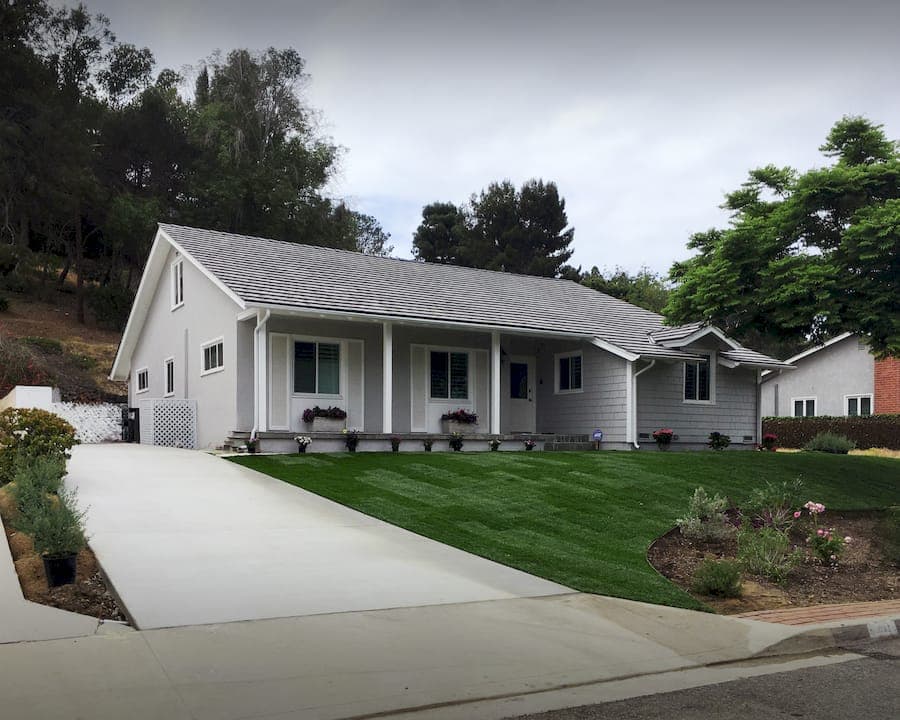
Managing rental properties in the South Bay means making constant decisions about where to spend money and where to hold back. Painting sits squarely in the middle of that tension. Repaint too soon and you’re burning through budget. Wait too long and you’re dealing with tenant complaints, longer vacancy periods, and surfaces that are harder to restore. Landlords often repaint interiors every three to five years, though the right schedule depends on your specific property conditions, turnover rate, and lease terms. This guide gives you a practical, experience-backed framework for making smarter painting decisions across your South Bay portfolio.
Table of Contents
Key Takeaways
| Point | Details |
|---|---|
| Plan with turnover in mind | Frequent tenant changes demand an adaptable paint strategy to maintain appearance and budget. |
| Choose durable paint types | Quality, washable paints like eggshell or acrylic latex provide the best long-term value in rentals. |
| Surface prep is critical | Investing in thorough cleaning and prep work greatly extends the lifespan of your paint jobs. |
| Maintain between repaints | Routine touch-ups and spot cleaning stretch the time before a full repaint is needed. |
| Leverage professional help | For best results, consider partnering with trusted local painters for large or complex projects. |
Key criteria for property painting success
With the painting decision in front of you, start by understanding the core factors that should drive your approach as a South Bay property manager. Not all properties are equal, and a one-size-fits-all repaint schedule will either cost you money or cost you tenants.
Tenant turnover is the single biggest variable. A unit that cycles through tenants every year needs a different maintenance rhythm than one with a long-term tenant in place. High-turnover units accumulate scuffs, nail holes, and grease marks faster, which means surfaces degrade more quickly and require more frequent attention. Conversely, a stable tenancy with a responsible occupant might stretch a repaint interval well beyond the standard three to five year window.
Property type and usage also shift the equation significantly. Commercial spaces face different wear patterns than residential units. Retail storefronts deal with high foot traffic, frequent fixture changes, and branding updates. Residential properties deal with cooking grease, moisture in bathrooms, and general living wear. Each situation calls for different product selections and preparation standards.
Here are the key criteria to evaluate before scheduling any painting project:
-
Surface condition: Are there cracks, peeling, water stains, or mold? These require remediation before painting, not just coverage.
-
Occupancy status: Painting an occupied unit requires coordination with tenants and often limits your product choices.
-
Turnover frequency: Units that turn over annually may benefit from a lighter-touch maintenance approach between full repaints.
-
Prior paint quality: If a previous contractor used low-grade materials, you may be dealing with adhesion failures sooner than expected.
-
Exterior exposure: South Bay coastal properties face salt air and UV exposure that accelerate exterior paint degradation.
Reviewing painting approaches and techniques specific to your property type is a useful starting point before committing to any schedule or product. And when it comes to execution, the difference between a paint job that lasts three years and one that lasts six often comes down to preparation and application quality, not just the paint itself. Investing in lasting, pro results from the start pays back measurably over a property’s life cycle.
Pro Tip: Keep a simple log for each unit that tracks the date of the last repaint, the paint color and brand used, and any surface issues noted at move-out. This data makes your next decision faster and more accurate.
Selecting paints for maximum durability
Once you know the criteria, selecting the right paint products is your next big choice. The South Bay rental market is competitive, and tenants notice quality. At the same time, property managers need paints that hold up to cleaning, resist staining, and allow for easy touch-ups between full repaints.
Acrylic latex paints are the standard choice for rental interiors, and for good reason. They dry quickly, emit lower levels of volatile organic compounds (VOCs), and clean up with water. More importantly, they flex slightly with temperature changes, which reduces cracking over time. For South Bay properties near the coast, this flexibility matters more than it does in drier inland climates.
Finish selection is where many property managers make costly mistakes. Flat paint hides surface imperfections but is nearly impossible to wipe clean. Gloss paints are washable but highlight every surface flaw. For rental interiors, eggshell and satin finishes hit the right balance. They’re durable enough to wipe down after a tenant moves out, and they don’t draw attention to minor wall imperfections the way a high-gloss finish would.
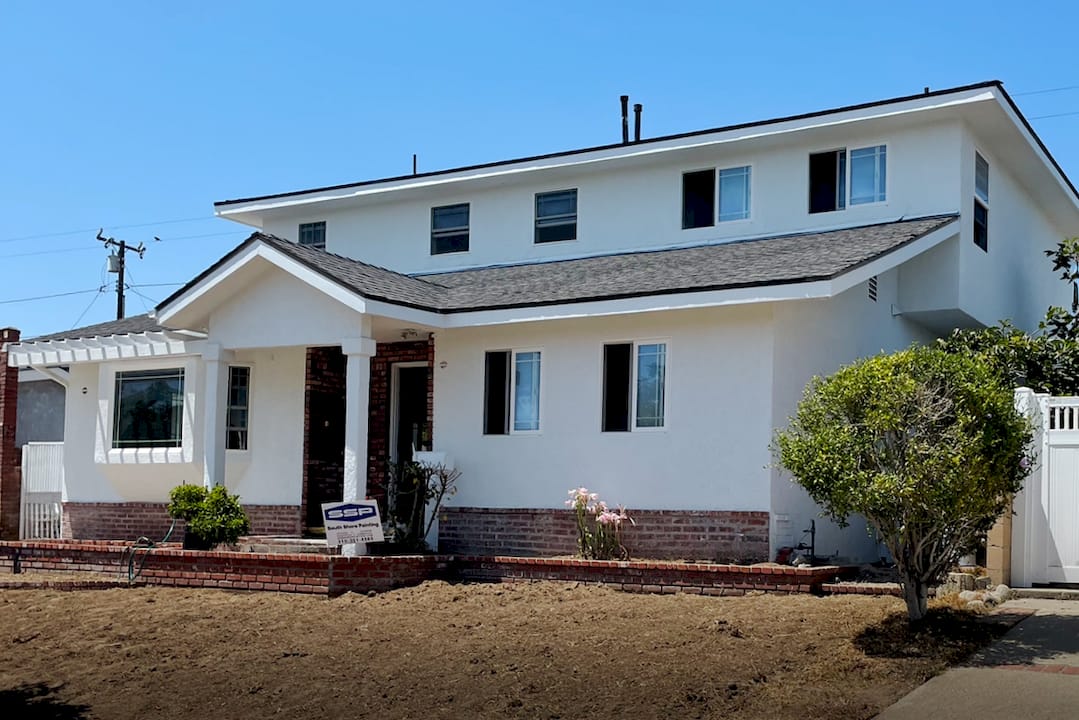
Washable and scrubbable paints are worth the added cost per gallon in high-traffic areas. Kitchens, hallways, and bathrooms take the most abuse in any rental unit. Spending a few extra dollars per gallon in those zones can save you a full repaint cycle.
| Paint type | Durability | Ease of touch-up | Relative cost | Best use |
|---|---|---|---|---|
| Flat/matte | Low | Difficult | Low | Low-traffic ceilings |
| Eggshell | Moderate | Good | Moderate | Living rooms, bedrooms |
| Satin | High | Very good | Moderate | Hallways, kitchens |
| Semi-gloss | Very high | Excellent | Moderate | Bathrooms, trim |
| High-gloss | Excellent | Challenging | Higher | Doors, cabinets |
Working with professional house painters who understand the South Bay environment gives you access to product knowledge that goes beyond what’s on the label. When choosing durable paints for rental properties, prioritize washability and touch-up compatibility over upfront savings. A paint that costs 20% more but lasts two additional years and cleans easily between tenants is almost always the better investment.
Pro Tip: Standardize on one or two interior colors across your portfolio. When you purchase the same paint in bulk and store it properly, touch-ups between tenants become fast, affordable, and visually seamless.
The repaint interval benchmark of three to five years assumes average-quality paint and normal tenant behavior. Premium paints applied over properly prepared surfaces can push that interval closer to seven years in lower-traffic units.
Prepping and painting: steps for a flawless finish
After choosing your paint, how you prepare and execute the job can make a crucial difference in both appearance and durability. Preparation is where professional painters separate themselves from budget crews, and it’s where most of the long-term value is created or lost.
South Bay properties near the coast deal with higher ambient humidity, which affects both surface preparation and application windows. Painting over surfaces that haven’t fully dried, or applying paint during a marine layer morning, can trap moisture under the film and lead to blistering or adhesion failure within months. Scheduling exterior work for dry afternoons and monitoring humidity levels is a practical discipline that pays off.
“Surface preparation is responsible for 80 percent of a paint job’s success. The paint itself is almost secondary to what happens before the first coat goes on.” This is a principle we apply on every project, and it’s one that experienced property managers come to appreciate after seeing the difference firsthand.
Here is a step-by-step checklist for a professional-grade repaint in a rental unit:
-
Inspect all surfaces for water damage, mold, peeling, cracks, and nail holes before ordering materials.
-
Address underlying issues first. Painting over a moisture problem or structural crack will not solve it. Remediate before you coat.
-
Clean all surfaces with a degreaser or TSP substitute, especially in kitchens and bathrooms where grease and soap residue accumulate.
-
Sand rough areas and feather edges around any patched spots to create a smooth transition.
-
Apply primer to all patched areas, bare drywall, and any surfaces with staining or significant color changes.
-
Mask and protect all trim, fixtures, outlets, and flooring before applying paint.
-
Apply the first coat using consistent technique, working in sections and maintaining a wet edge to avoid lap marks.
-
Allow full dry time between coats, following the manufacturer’s recommendation rather than rushing.
-
Inspect under good lighting before the second coat to catch any missed spots or surface irregularities.
-
Apply the second coat and allow full cure time before tenant move-in or furniture placement.
-
Clean up and document the completed work with photos, noting the paint brand, color code, and finish for future reference.
Following the pro painting process consistently across your units builds a reliable standard that makes future touch-ups faster and more predictable. The standard repaint interval of three to five years assumes this level of preparation. Cut corners on prep and you may find yourself repainting in two.
When to repaint: timing and maintenance tips
Understanding repaint timing and ongoing maintenance decisions is essential for stretching your painting investment and reducing costly turnover work. The goal is not to repaint as infrequently as possible, but to repaint at the right time so you’re never dealing with a unit that’s hard to rent or a surface that requires more labor to restore.
The following table outlines common repaint triggers and how to respond to each:
| Trigger | Recommended action | Urgency |
|---|---|---|
| Tenant move-out after 1 year | Inspect and touch up only | Low |
| Tenant move-out after 3+ years | Full repaint likely needed | Moderate |
| Visible peeling or bubbling | Immediate repaint with prep | High |
| Water stain after leak repair | Prime and spot repaint | High |
| Routine inspection at year 2 | Assess and plan ahead | Low |
| Tenant complaint about appearance | Inspect and respond promptly | Moderate |
Maintaining painted interiors between full repaints is where proactive property managers save the most money. A few targeted habits can meaningfully extend your repaint intervals:
-
Conduct annual visual inspections of all painted surfaces, especially in bathrooms, kitchens, and near windows where moisture is most likely to cause early failure.
-
Keep a touch-up kit for each unit with the matching paint color, a small brush, and a foam roller. Minor scuffs addressed within weeks look invisible. The same scuff left for a year becomes a repaint trigger.
-
Communicate with tenants about reporting moisture issues early. A small water stain caught in month three is a spot prime and touch-up. The same stain discovered at move-out may require drywall repair and a full wall repaint.
-
Schedule touch-ups proactively at the 18-month mark in high-turnover units rather than waiting for visible failure.
-
Use flat paint on ceilings only and keep a record of the sheen level used on each surface so touch-ups match seamlessly.
The three to five year benchmark is a useful planning tool, but proactive maintenance can push interior repaints to six or seven years in units with stable tenants and good surface conditions. For property managers overseeing multiple units, that extended interval translates directly into meaningful cost savings over a five-year horizon.
Cost and scheduling discipline also matter. Batching repaints across multiple vacant units, or scheduling them during slower leasing months, gives you more negotiating leverage with contractors and reduces disruption to your overall portfolio performance.
A seasoned take: Painting strategies most landlords overlook
You’ve seen the technical and strategic side. Now here’s an insider perspective on what separates property managers who consistently get more out of their painting budgets from those who are always reacting to the last problem.
Color standardization is underused and undervalued. Most property managers know they should standardize colors, but few actually follow through with discipline. When every unit has a different paint color from a different contractor using a different brand, touch-ups become a guessing game. You end up repainting entire walls just to match a scuff. When you standardize on two or three colors across your portfolio and document the exact brand, color code, and finish for each surface type, touch-ups take 20 minutes instead of half a day.
Vendor relationships matter more than most guides acknowledge. The painting industry has significant variability in quality, even among contractors who appear similarly qualified. Property managers who build long-term relationships with a trusted painting crew get more than a good price. They get priority scheduling during busy seasons, honest assessments of what actually needs repainting versus what just needs a touch-up, and a crew that already knows the quirks of their properties. That institutional knowledge has real value during a tight turnover window.
Maintenance staff training is a hidden multiplier. If your maintenance team can execute a clean, color-matched touch-up, you eliminate a significant category of contractor calls. Basic training on surface prep, paint application technique, and color matching pays for itself within a single leasing season. Keeping a well-organized touch-up kit for each property, with labeled paint cans and basic tools, makes this practical rather than aspirational.
Staying current on painting techniques for property managers is one of the most efficient ways to stay ahead of maintenance costs. The landlords who treat painting as a strategic asset rather than a reactive expense consistently outperform those who don’t, both in tenant retention and in the long-term condition of their properties.
Take your next South Bay paint project to the next level
With these expert painting tips in mind, the right professional partner can make all the difference for your next South Bay painting project.
South Shore Painting works with property managers and landlords across the South Bay who need reliable, high-quality results on a schedule that fits their leasing calendar. Whether you’re managing a single-family rental or a multi-unit portfolio, we bring the preparation discipline, product knowledge, and workmanship that makes paint jobs last. We don’t cut corners on prep, we don’t use discount materials, and we don’t disappear after the job is done. If you want to see what that kind of work looks like in practice, we invite you to read through South Shore Painting reviews from property managers and homeowners who’ve experienced the difference firsthand. Let’s build a painting plan that works for your properties and your budget.
Frequently asked questions
How often should property managers repaint rental units?
Most experts recommend repainting interiors every three to five years, but actual needs vary by property condition and tenant turnover. Proactive maintenance and quality prep work can extend that interval significantly.
What paint finish is best for high-traffic rentals?
Eggshell or satin finishes are the most practical choice for high-traffic rental areas because they balance durability with ease of cleaning. Semi-gloss works well for trim, bathrooms, and kitchens where moisture and grease are common.
How can property managers extend the life of paint between repaints?
Regular spot cleaning, timely touch-ups with matching paint, and annual surface inspections are the most effective ways to extend paint life in active rentals. Tenant communication about reporting moisture issues early also prevents small problems from becoming costly ones.
Why is prep work so important for property painting?
Proper surface preparation directly improves paint adhesion, which is the primary factor in how long a paint job lasts. Skipping prep steps like cleaning, sanding, and priming leads to early failure regardless of the paint quality used.
What’s the most cost-effective way to repaint multiple units?
Standardizing on two or three colors across your portfolio and purchasing paint in bulk lowers per-unit costs and makes touch-up work fast and seamless. Batching vacant units for simultaneous repaints also reduces contractor mobilization costs and scheduling complexity.