
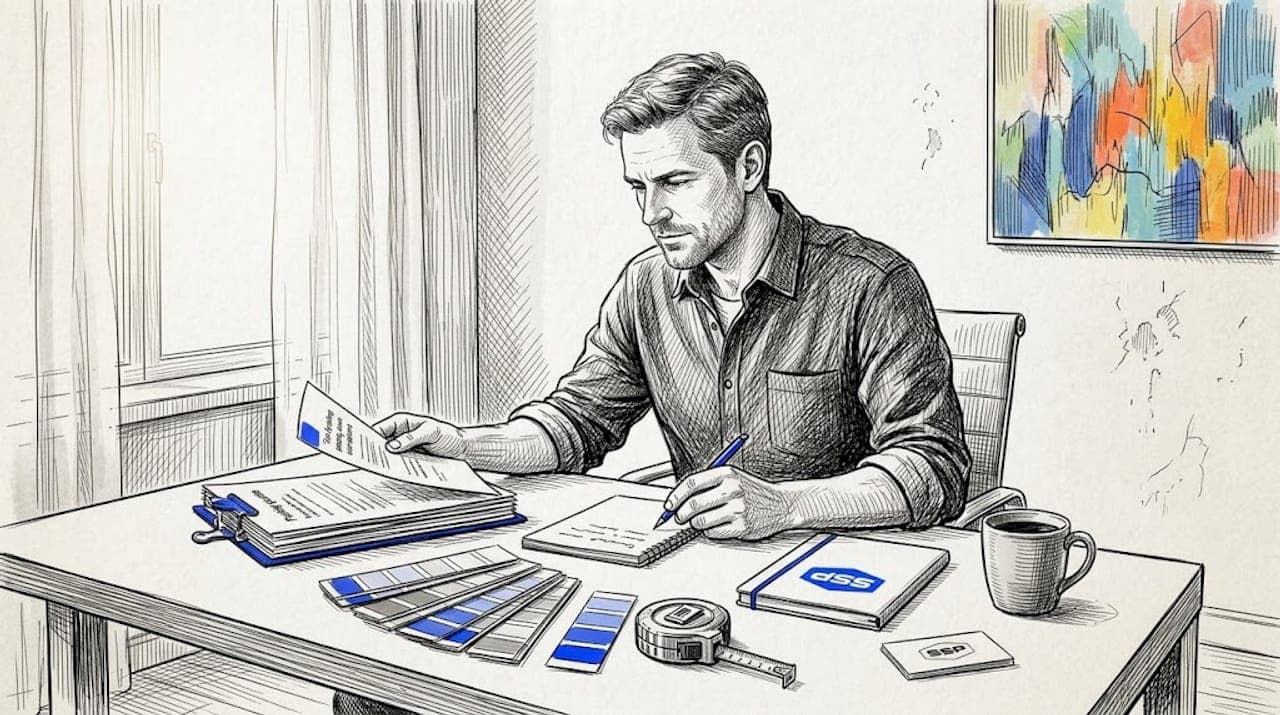
Getting a painting estimate and wondering why two quotes can differ by thousands of dollars is a frustration most homeowners and property managers know well. Understanding the cost factors for painting before you speak to a single contractor puts you in control of your budget and eliminates the shock of unexpected charges. This article breaks down every significant variable that drives painting prices, from square footage and surface prep to labor rates and seasonal timing, so you can plan with confidence and make decisions that actually protect your investment.
Table of Contents
- Key takeaways
- 1. The core cost factors for painting projects
- 2. Project size and architectural complexity
- 3. Surface preparation requirements
- 4. Paint quality and coat count
- 5. Labor costs and regional wage rates
- 6. Additional variables that influence final pricing
- My take on what actually drives painting costs
- Get a transparent, detailed quote from Southshorepaint
- FAQ
Key takeaways
| Point | Details |
|---|---|
| Prep work drives major costs | Surface preparation can represent 30-55% of exterior painting costs, making it one of the largest variables in any quote. |
| Labor is the biggest line item | Labor comprises 60-80% of total project costs, so regional wage rates and job complexity directly shape your final number. |
| Paint quality affects long-term value | Premium paints cost more upfront but reduce the need for frequent repaints, delivering better value over time. |
| Compare quotes by scope, not price | Evaluate bids based on prep detail, coat count, and materials included, not just the bottom-line number. |
| Timing changes exterior pricing | Peak exterior painting season can push prices 10-20% higher due to demand, making off-season scheduling a useful strategy. |
1. The core cost factors for painting projects
Every painting estimate you receive is the sum of several interconnected variables. Knowing the painting cost breakdown at a structural level helps you understand why no two projects are priced identically, even for homes of similar size. The primary drivers are square footage, surface conditions, material choices, and labor, but the way these factors interact is what determines whether your project lands at the low or high end of the range.
Interior painting typically costs $2 to $6 per square foot depending on scope and quality. A typical 2,000-square-foot home repaint, including ceilings, trim, and doors, commonly runs $4,200 to $11,500. Exterior jobs span an even wider range, from $1,800 to over $16,000 depending on size and complexity. Those wide ranges are not arbitrary. They reflect real differences in prep requirements, material grades, access challenges, and regional labor costs, all of which are explored in the sections that follow.
2. Project size and architectural complexity
The most straightforward cost factor is total paintable surface area. More square footage means more material and more labor hours. But size alone does not tell the full story. Architectural complexity can increase costs significantly even on a smaller home when multiple levels, intricate trim profiles, vaulted ceilings, and bay windows come into play.
Here is how complexity typically adds to project costs:
- Multiple stories require ladders, scaffolding, or lift equipment, adding equipment rental and setup time to every line item.
- Vaulted or cathedral ceilings over 10 feet add 10-15% or more to labor costs due to extended time and the need for specialty equipment.
- Detailed trim and molding demands slower, more precise brushwork compared to rolling flat walls.
- Irregular angles and dormers on exterior projects create masking and cutting challenges that increase time per square foot considerably.
Pro Tip: Ask your contractor to quote square footage of paintable surface area separately from any hourly labor charges. This gives you an apples-to-apples comparison when reviewing multiple bids.
High ceilings are a particularly underappreciated cost driver. Special equipment and safety measures can effectively double labor cost for those areas compared to standard 8-foot ceilings. Property managers overseeing commercial spaces with open warehouse-style ceilings or tall lobbies should account for this from the start of any painting budget considerations.
3. Surface preparation requirements
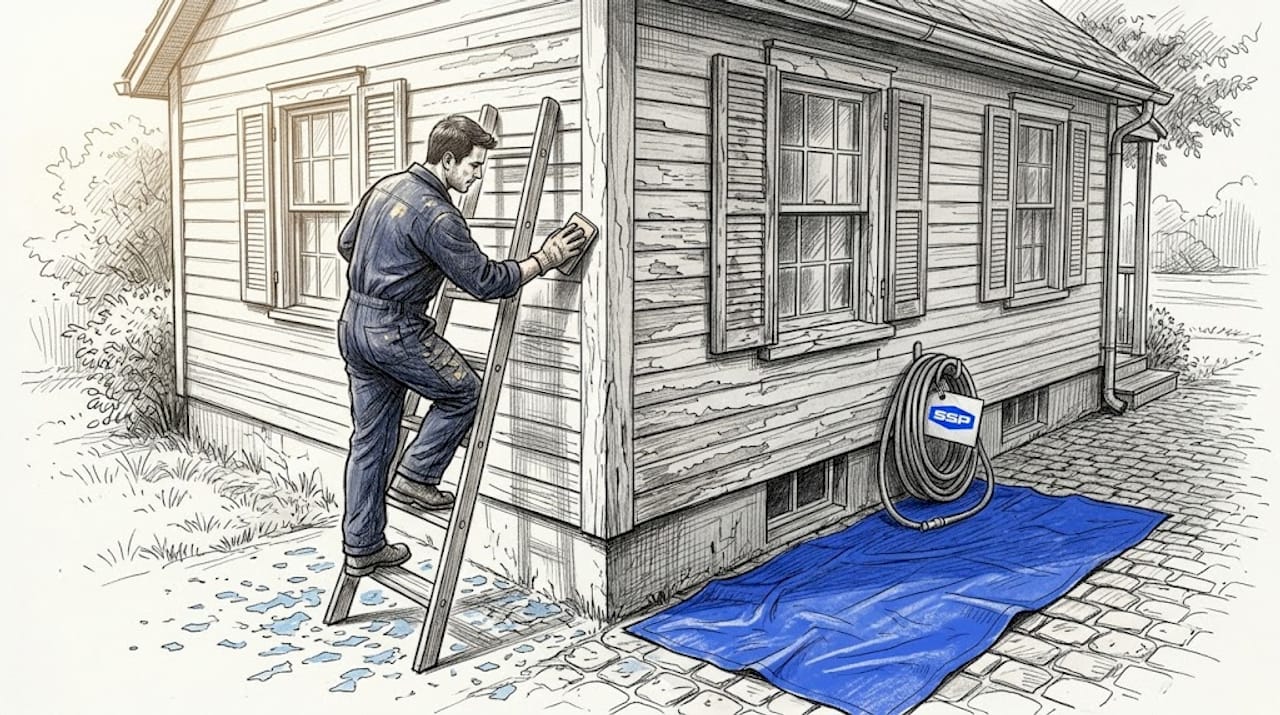
Preparation is where painting budgets most often go wrong. Many homeowners focus on the cost of paint and overlook the fact that surface prep is frequently the largest labor component of the entire project. Preparation work drives 30-50% of labor hours, and skipping it does not save money. It guarantees early paint failure and a more expensive repaint within a few years.
Common prep tasks that add measurable cost include:
- Cleaning and degreasing surfaces before paint is applied, especially in kitchens or on exterior walls with mildew accumulation.
- Sanding and scraping to remove failing paint, particularly critical on older homes with multiple layers of existing paint.
- Patching holes, cracks, and surface damage, which requires drywall compound, caulking, and spot priming on interior walls.
- Wallpaper removal, which can add $1 to $3 per square foot beyond the baseline painting cost.
Skimping on prep is the most common reason a paint job looks good at first but fails within two years. At Southshorepaint, we treat preparation as non-negotiable because it is the only thing standing between a coating and the substrate beneath it.
Surface preparation can represent 30-55% of exterior painting costs on older or weathered homes. An older wood-sided home may require extensive scraping, sanding, and priming before a single gallon of finish coat is opened. That same size project on a newer home with sound surfaces will require far less prep, which is why age and existing condition of the surface matter so much when estimating variables affecting painting expenses.
4. Paint quality and coat count
Material selection is one area where homeowners genuinely control their own costs, though the trade-offs are worth understanding clearly. Paint is available across three broad quality tiers: builder-grade, mid-range, and premium. Builder-grade options run approximately $15 to $25 per gallon, while premium paints range from $50 to $80 or more per gallon. The price gap feels significant until you factor in coverage and longevity.
| Paint grade | Cost per gallon | Typical coats needed | Expected lifespan |
|---|---|---|---|
| Builder-grade | $15-$25 | 2-3 coats | 3-5 years |
| Mid-range | $30-$45 | 2 coats | 5-7 years |
| Premium | $50-$80+ | 1-2 coats | 7-10+ years |
Premium paints offer better coverage and reduce labor by requiring fewer coats, which partially offsets the higher material cost. The relationship between paint quality and coat count is direct: better formulations self-level more effectively, adhere with greater consistency, and resist fading or peeling far longer. For more detail on how paint grades affect long-term home value, premium paint durability is worth understanding before finalizing your material budget.
Color changes also carry a hidden cost most homeowners do not anticipate. Moving from a dark wall color to a light one requires priming and potentially three finish coats. Dramatic color changes can increase labor by 25-50% compared to a same-color refresh. That is a meaningful difference in your painting budget considerations, especially across multiple rooms.
Pro Tip: If you are repainting with a similar color to what is already on the walls, say so when requesting quotes. Contractors can sometimes reduce coat count, which lowers both labor and material costs.
5. Labor costs and regional wage rates
Labor is the single largest component of any painting project. Across both interior and exterior work, labor accounts for 60-80% of the total project cost. This is why two identical homes in different cities can produce quotes that differ by 30% or more, with the divergence driven almost entirely by local wage rates and market conditions.
Factors that directly influence labor costs include:
- Regional wage differences. A painting crew in a high cost-of-living metro area will charge meaningfully more than one in a rural market, reflecting both wages and business overhead.
- Accessibility challenges. High ceilings, steeply pitched roofs, and tight interior spaces require more time, more equipment, and more physical effort per square foot.
- Scaffolding requirements. Multi-story exteriors and tall commercial interiors often require scaffold setup and takedown, which is billed separately or rolled into the project rate.
- Crew experience level. Highly skilled crews who work cleanly, apply paint correctly, and protect surfaces properly cost more per hour and deliver measurably better results.
One of the biggest mistakes property managers and homeowners make is selecting the lowest bid without understanding what that bid includes. Quotes promising one-coat coverage often reflect corners being cut on prep and application, not genuine efficiency. Spotting a low-ball painter quote before you sign a contract is a skill worth developing. Two coats are the industry standard for quality applications, and a bid that does not reflect this should prompt direct questions.
6. Additional variables that influence final pricing
Beyond the major drivers, several secondary factors can shift a painting budget considerably. Understanding these additional cost factors for painting helps you build a realistic contingency into any project plan.
- Multiple colors and accent walls. Each color change requires separate cutting, additional masking, and clean roller changes. Three colors in one room costs more to execute than one, regardless of how the paint itself is priced.
- Trim, doors, and cabinetry. Trim painting is priced per linear foot and demands slow, careful brushwork that rollers cannot accomplish. Baseboards, door frames, and window casings add up quickly across a full home.
- Seasonal timing and weather. Exterior painting is weather-dependent, and peak season demand pushes prices up. Peak exterior season pricing can run 10-20% higher than off-season rates. Scheduling exterior work in late fall or early spring, when contractor calendars are lighter, often yields faster scheduling and better rates. For a deeper look at how weather conditions affect exterior projects in the South Bay, exterior paint and weather covers the specifics worth knowing.
- Surface material type. Stucco, brick, and raw wood each require specific primers and application methods. Stucco's texture dramatically increases paint consumption. Bare wood demands sealing and spot priming before any finish coat goes on.
- Regulatory requirements. Homes built before 1978 may contain lead-based paint. Disturbing those surfaces during prep triggers regulatory requirements for containment and disposal, adding cost that is real and non-negotiable.
Pro Tip: If your home was built before 1978, ask any contractor you are considering whether they hold EPA Renovation, Repair, and Painting (RRP) certification. Hiring an uncertified contractor on a lead-paint property creates legal exposure for you as the property owner.
| Additional factor | Typical cost impact |
|---|---|
| Accent wall (per room) | $50-$150 additional |
| Trim painting per linear foot | $1-$3 per linear foot |
| Peak season exterior premium | 10-20% above baseline |
| Lead paint compliance | Variable, often $500+ |
My take on what actually drives painting costs
I have seen every variation of the cost factors conversation play out with homeowners, and the pattern is always the same. People fixate on the total price without looking at what is included in the scope. A $4,500 quote that includes thorough prep, two coats of premium paint, and proper trim work will outlast a $2,800 quote that skips the primer, brushes on one thin coat, and calls it done. The second job looks fine on the day it is completed. By year two, you are already seeing failure.
The most financially sound approach I can offer is this: treat prep and paint quality as a fixed cost you do not negotiate away. What you can legitimately manage is labor time, by doing your own furniture moving, removing hardware from doors yourself, and filling small nail holes before the crew arrives. That kind of preparation on your end reduces billable hours without sacrificing quality on theirs. When comparing quotes, compare prep scope and coat count rather than just the number at the bottom of the page.
Labor quality and thorough preparation are the two factors that determine whether a paint job lasts six years or fourteen. Everything else is secondary to getting those two things right.
— Ryan
Get a transparent, detailed quote from Southshorepaint

Southshorepaint is a professional residential and commercial painting company serving homeowners and property managers who want quality work that lasts, not just a quick coat and an invoice. Every estimate we provide breaks down prep requirements, coat count, materials, and labor clearly, so you know exactly what you are paying for and why. We do not compete on price by cutting corners. We compete on workmanship that holds up. If you want to see what that looks like in practice, read what our past clients have said by visiting our customer reviews page. Ready to plan your project? Reach out to Southshorepaint for a personalized estimate, and visit our painting blog for more resources on budgeting, prep, and choosing the right contractor.
FAQ
What is the average cost of interior painting?
Interior painting typically costs $2 to $6 per square foot, and a full 2,000-square-foot home repaint including ceilings, trim, and doors usually runs between $4,200 and $11,500 depending on prep needs and material quality.
Why does surface prep affect painting costs so much?
Surface preparation can represent 30-55% of total painting costs because it directly determines how long the paint adheres and performs. Skipping or reducing prep leads to early paint failure and more expensive repaints within a few years.
How does paint quality affect the total project price?
Higher-grade paints cost $50 to $80 or more per gallon compared to $15 to $25 for builder-grade, but they typically require fewer coats and last significantly longer, which reduces labor costs and extends the repaint cycle.
When is the best time to schedule exterior painting to save money?
Scheduling exterior painting during off-peak seasons, typically late fall or early spring, can save 10-20% compared to peak summer rates when contractor demand is highest and weather windows are most competitive.
How should I compare painting quotes fairly?
Compare quotes by examining prep scope, number of coats, and materials specified rather than the total price alone, since low bids often reflect reduced prep or single-coat applications that will not hold up over time.