
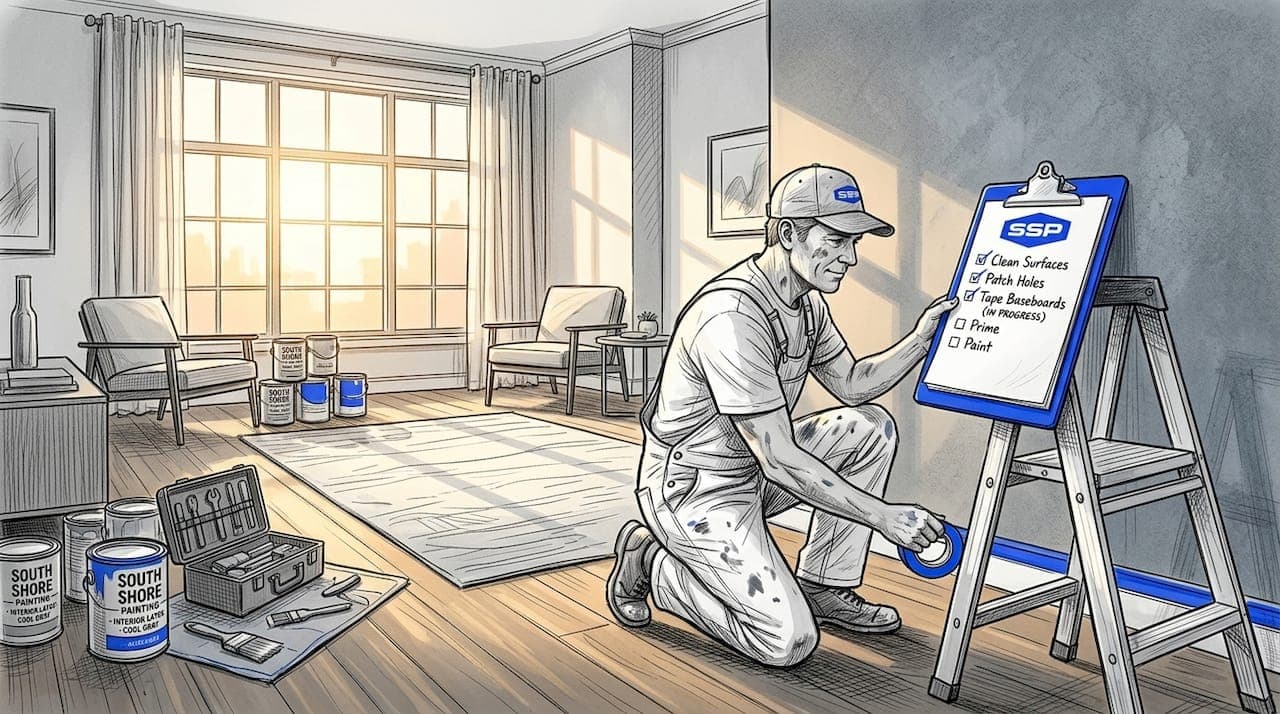
Hiring a painter seems straightforward until you've lived through a job gone wrong. Peeling trim after one season, blotchy walls, or a crew that disappears mid-project — these outcomes are more common than they should be. Understanding the qualities of top painters before you sign a contract gives you a real filter for separating skilled professionals from anyone who owns a brush and a ladder. This guide breaks down the specific traits, technical skills, and work habits that define exceptional painters, so you can hire with confidence rather than hope.
Table of Contents
- Key takeaways
- 1. The qualities of top painters start with professionalism
- 2. Mastery of surface preparation and application techniques
- 3. Attention to detail and problem-solving ability
- 4. Experience, reputation, and commitment to quality assurance
- 5. Mastery of material selection and color knowledge
- 6. Interpersonal traits: humility, persistence, and passion for the craft
- My perspective: what years of watching painters work has taught me
- Why Southshorepaint reflects everything this article describes
- FAQ
Key takeaways
| Point | Details |
|---|---|
| Surface prep is non-negotiable | Up to 80% of coating failures trace back to poor surface preparation, not inferior paint. |
| Communication signals professionalism | Painters who explain their process clearly and provide written plans are far more reliable. |
| Detail orientation drives durability | Monitoring film thickness, drying times, and humidity prevents costly defects down the road. |
| Documented experience matters | Quality assurance records and client references confirm a painter's consistency across projects. |
| Personal traits drive craftsmanship | Persistence, humility, and genuine passion for the craft separate good painters from great ones. |
1. The qualities of top painters start with professionalism
Professionalism in painting is not about a polished logo on a van. It shows up in the details that affect your project before a brush ever touches a wall. Does the painter arrive on time for the estimate? Do they follow up as promised? These behaviors are early, reliable signals of how they will manage your job from start to finish.
The best traits of painters in the professional category include consistency and clarity. A skilled painter will offer a written scope of work that details surfaces to be painted, products to be used, the number of coats planned, and a realistic timeline. That transparency eliminates the vague verbal quotes that leave homeowners guessing about what they actually paid for.
Effective painter-client communication involves educating clients about preparation steps and painting process details, which builds genuine trust. A painter who can explain why they are using a specific primer on a previously water-damaged wall is demonstrating knowledge, not just filling time with conversation.
- Shows up on time for estimates and project start dates
- Provides itemized, written proposals rather than rough verbal estimates
- Returns calls and messages within one business day
- Walks you through prep and product choices before work begins
Pro Tip: Ask your painter to explain the prep process for one specific surface in your project. A confident, detailed answer reveals real expertise. A vague answer reveals a problem.
2. Mastery of surface preparation and application techniques
This is where quality is won or lost, and most homeowners never see it happening. Inadequate surface preparation causes up to 80% of premature coating failures. That statistic does not refer to cheap paint or bad weather. It refers to skipped or rushed prep work.
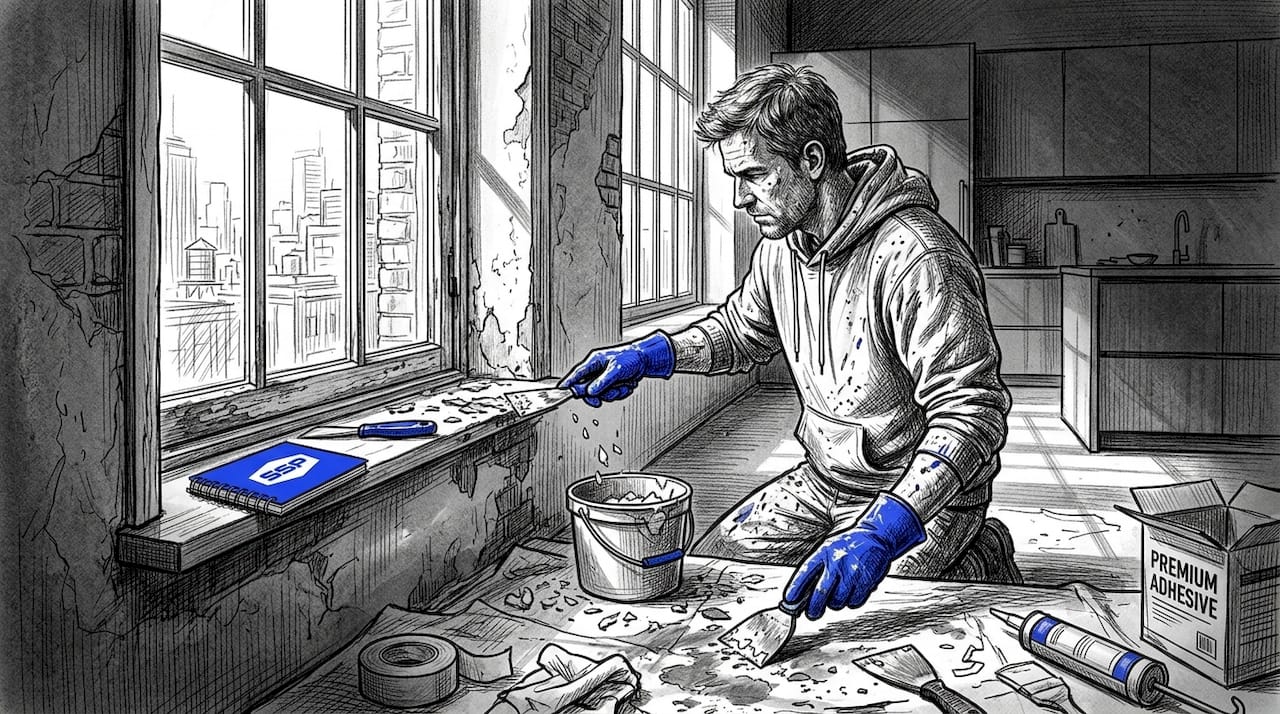
What does thorough prep look like in practice? For interior walls, it means filling cracks, sanding rough patches, cleaning surfaces to remove grease or residue, and applying the correct primer for the substrate and topcoat combination. For exterior surfaces, surface profile and cleanliness standards vary by material and environment, but the principle holds. The surface must be clean, stable, and properly profiled before any coating is applied.
Beyond prep, the skills of exceptional painters include understanding wet-film thickness (WFT) and dry-film thickness (DFT). These terms come from professional coating inspection practice. Measuring WFT during application and DFT after curing confirms that coatings meet specifications. Too thin a coat fails to protect. Too thick a coat leads to sagging, cracking, and adhesion problems.
"The single most influential quality determining long-term paint durability is thorough surface preparation, not the paint brand or brushwork."
Professional painters also understand when and how to use the right tools. A brush is not always better than a roller, and a roller is not always better than an airless sprayer. Matching the application method to the surface, the product, and the environment is a skill that only comes with real experience. You can learn more about how these techniques translate to lasting wall finishes in residential settings.
3. Attention to detail and problem-solving ability
What separates a painter who produces beautiful results from one who produces acceptable results is almost always attention to detail. This quality is visible in how a painter handles the imperfect reality of most job sites. Walls are rarely perfectly flat. Surfaces carry old repairs, minor water staining, or inconsistent texture. A detail-oriented painter spots these issues before painting, not after.
Scheduling drying and recoating times according to temperature and humidity is one area where attention to detail directly affects durability. Recoating too soon traps solvents, weakens adhesion, and causes blistering. Recoating in high humidity invites adhesion failures that will not show up for weeks. Top painters treat cure timing as a critical part of the work, not an inconvenience.
Adaptability is the partner skill here. Environmental conditions change during a project. A painter who cannot adjust their schedule, technique, or product selection when conditions shift will produce inconsistent results regardless of how skilled they are on an ideal day.
- Identifies surface defects before priming and addresses each one specifically
- Monitors temperature and relative humidity throughout the project
- Adjusts coat timing to meet manufacturer recoat window requirements
- Flags potential problems to the homeowner before proceeding
Pro Tip: Ask a painter how they handle recoating if rain or temperature delays occur on an exterior job. A specific, practical answer tells you they have dealt with real conditions, not just ideal ones.
4. Experience, reputation, and commitment to quality assurance
Experience without documentation is just a number. What makes experience genuinely valuable is when a painter has applied it consistently enough to have a track record you can verify. References from past clients matter. Photos of completed projects matter. And increasingly, professional painters who work on larger residential or commercial projects use formal quality assurance and quality control (QA/QC) frameworks.
Professional painters maintain detailed project documentation that includes inspection reports, test results, repair records, and final acceptance dossiers. For a homeowner, this level of rigor might seem like overkill. But it reflects a mindset. A painter who documents their work holds themselves accountable in a way that a painter who keeps everything informal simply does not.
The table below compares what a documented, quality-focused painter provides versus what a less structured contractor typically offers.
| Quality factor | Top painter | Less rigorous painter |
|---|---|---|
| Surface prep documentation | Written checklist per surface | Verbal confirmation only |
| Product specifications | Listed in proposal by brand and sheen | Generic "good paint" assurance |
| Film thickness monitoring | WFT/DFT measured and recorded | Not measured |
| Client references | Multiple verified, project-specific | Vague or unavailable |
| Repair and defect tracking | Documented before final acceptance | Noted informally or not at all |
Certifications from manufacturers or industry bodies are worth asking about. They are not mandatory for quality work, but a painter who pursues them is signaling a commitment to staying current on materials, techniques, and standards. When reviewing a painter's reputation, look at the advantages of hiring professional painters with a verifiable track record rather than just the lowest bid.
5. Mastery of material selection and color knowledge
What makes a great painter is not only technique but also a working knowledge of the materials they apply. Paint is not a commodity. The difference between a contractor-grade flat and a premium satin in a high-traffic hallway is the difference between repainting in two years and repainting in eight.
Skilled painters understand sheen levels and their practical implications. Flat finishes hide surface imperfections but clean poorly. Satin and semi-gloss hold up in kitchens and bathrooms. The wrong sheen choice in the wrong room is a mistake that costs the homeowner money and frustration long after the painter has left.
Color knowledge goes beyond what looks nice. Top painters understand how light affects color throughout the day, how undertones interact across adjacent surfaces, and how to identify when a client's color sample will read very differently at full-wall scale. This is not an artistic indulgence. It is a practical skill that prevents expensive repaints.
Material selection also extends to primers, fillers, and caulks. A painter who uses the right peel-stop primer over a chalky surface, or the correct flexible caulk in an expansion joint, is protecting your investment with every product choice. Understanding why paint quality matters at the material level helps homeowners evaluate whether a painter's product recommendations are genuinely in their interest.
6. Interpersonal traits: humility, persistence, and passion for the craft
The technical skills of exceptional painters matter enormously. But they are built on a foundation of personal qualities that no training program manufactures. These traits develop over years of real project experience, and they show up in how a painter approaches difficulty rather than how they perform under ideal conditions.
Persistence and passion are among the most influential interpersonal traits in commercially successful artists and craftspeople. Painters who genuinely care about their work do not cut corners when no one is watching. They sand the surface that a casual observer would approve after a quick look. They apply the second coat with the same care as the first.
Humility is an underrated characteristic of successful painters. A painter who believes they already know everything stops learning. Product formulations change. New application methods emerge. Building codes and environmental regulations evolve. A humble painter stays curious, asks questions of product reps, and updates their practice accordingly.
- Approaches difficult surfaces or tight deadlines as problems to solve, not complaints to make
- Welcomes client questions without becoming defensive
- Acknowledges mistakes directly and corrects them without being asked
- Shows genuine enthusiasm when discussing a project's challenges and solutions
Confidence balanced with humility is the sweet spot. You want a painter who is certain about their process and stands behind their work. You do not want one who dismisses your concerns or overrides your preferences without explanation.
My perspective: what years of watching painters work has taught me
In my experience, most homeowners focus on price and finish date when hiring painters, and almost no one asks the questions that actually predict a good outcome. I've seen beautifully priced proposals turn into nightmares because the painter skipped primer to stay on schedule, or recoated exterior siding in damp conditions because the client wanted it done before a real estate showing.
The uncomfortable truth is that the qualities separating truly skilled painters from average ones are mostly invisible until the job is done and six months have passed. Peeling paint reveals itself slowly. Adhesion failures take time to develop. By then, the cheap contractor is long gone.
What I'd tell any homeowner is this: ask to see documentation from a recent project. Ask how they handle environmental delays. Ask what primer they plan to use and why. If a painter can answer those three questions with specificity and confidence, you are talking to someone worth hiring. If they deflect or generalize, keep looking. The warning signs of a bad hire are almost always visible before the contract is signed.
— Ryan
Why Southshorepaint reflects everything this article describes

At Southshorepaint, every project starts with the kind of thorough surface preparation and process transparency this article describes. We specialize in high-quality interior and exterior finishes for residential and commercial clients across the South Bay, and our work is built on proper prep, premium materials, and craftsmanship designed to last years longer than the average paint job. We document our work, communicate clearly at every stage, and stand behind our results.
If you want to see how these qualities translate into a real project for your home or business, explore our painting services and learn what working with a team that takes every coat seriously actually looks like.
FAQ
What is the most important quality in a professional painter?
Thorough surface preparation is the single most critical quality. Up to 80% of coating failures trace back to inadequate prep rather than paint quality or application technique.
How can I verify a painter's quality before hiring?
Ask for documented project references, photos of completed work, and a written proposal that specifies products and prep methods. A painter who provides all three is demonstrating the accountability that separates top professionals from casual contractors.
What are WFT and DFT, and why do they matter?
WFT is wet-film thickness measured during application and DFT is dry-film thickness measured after curing. Measuring both confirms coatings meet specifications, preventing failures caused by coats that are too thin or too thick.
Why does painter-client communication affect project outcomes?
Clear communication allows painters to set accurate expectations, explain prep requirements, and flag problems early. Painters who educate clients on their process build trust and reduce disputes, resulting in smoother, better-documented projects.
How do I choose between painters when prices are similar?
Focus on the attributes of skilled artists and tradespeople: documented experience, specific prep processes, product transparency, and verifiable references. These factors predict long-term results far better than price alone. You can also review a detailed guide to choosing painters before making a final decision.