
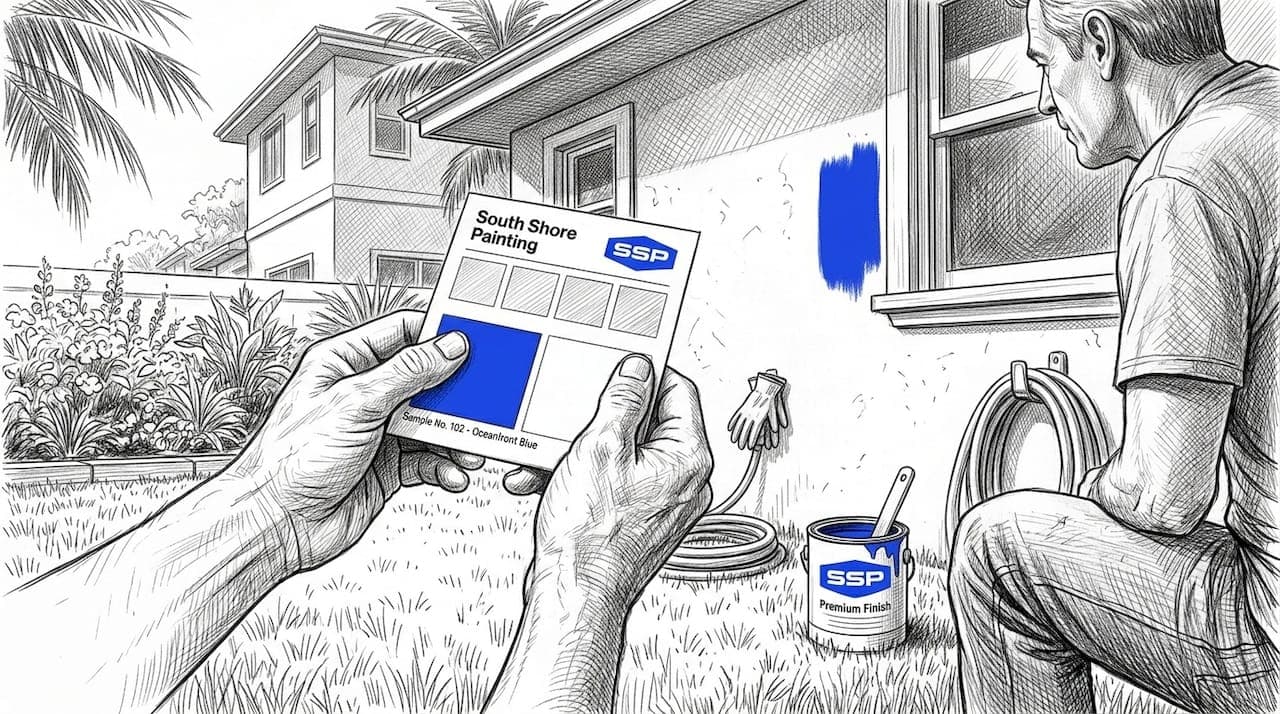
When it comes to protecting and improving your property, the paint you choose matters far more than most people realize. A quality exterior paint job can increase your home's financial value by 2-5%, and that figure doesn't account for the structural damage you avoid by using the right product from the start. Many homeowners and property managers in South Bay treat paint as a commodity, assuming all cans perform the same way. They don't. This guide explains why choose high quality paint, what separates premium formulations from budget alternatives, and how to get results that actually last.
Table of Contents
- How high-quality paint protects and adds value to your property
- What makes paint high quality: coverage, durability, and finish
- The challenges of painting dark colors and how high-quality paint helps
- Choosing the right primer and applying paint correctly for optimal coverage
- How environmental conditions and application techniques affect your paint job
- Why investing in high-quality paint is smarter than just buying the cheapest option
- Connect with South Shore Painting for expert high-quality paint solutions
- Frequently asked questions
Key Takeaways
| Point | Details |
|---|---|
| Increase home value | High-quality paint improves curb appeal and can raise your property's value by 2-5 percent. |
| Protect structural integrity | Premium paints shield surfaces from moisture, mold, and mildew, avoiding costly repairs. |
| Improve finish quality | Longer 'wet edge' and better coverage result in a smoother, more durable paint job. |
| Manage dark colors wisely | Using tinted primers reduces extra coats needed, saving time and money on dark paints. |
| Adjust for environment and technique | Temperature, humidity, and proper application methods are critical for lasting paint performance. |
How high-quality paint protects and adds value to your property
Understanding the benefits of high quality paint starts with what happens beneath the surface. Paint isn't just a color choice. It's a protective layer that stands between your home's structure and the conditions South Bay throws at it year-round: coastal humidity, salt air, UV exposure, and seasonal temperature swings. When that layer fails prematurely, the problems start fast.
Premium exterior paints contain higher concentrations of binders and pigments that resist moisture penetration, which is the primary trigger for wood rot and mold growth. In coastal environments like Torrance, Redondo Beach, or Manhattan Beach, moisture infiltration through degraded paint can compromise siding and trim within a single wet season. High-quality paint maintains film integrity longer, acting as a genuine barrier rather than a thin coating that peels and cracks within two to three years.
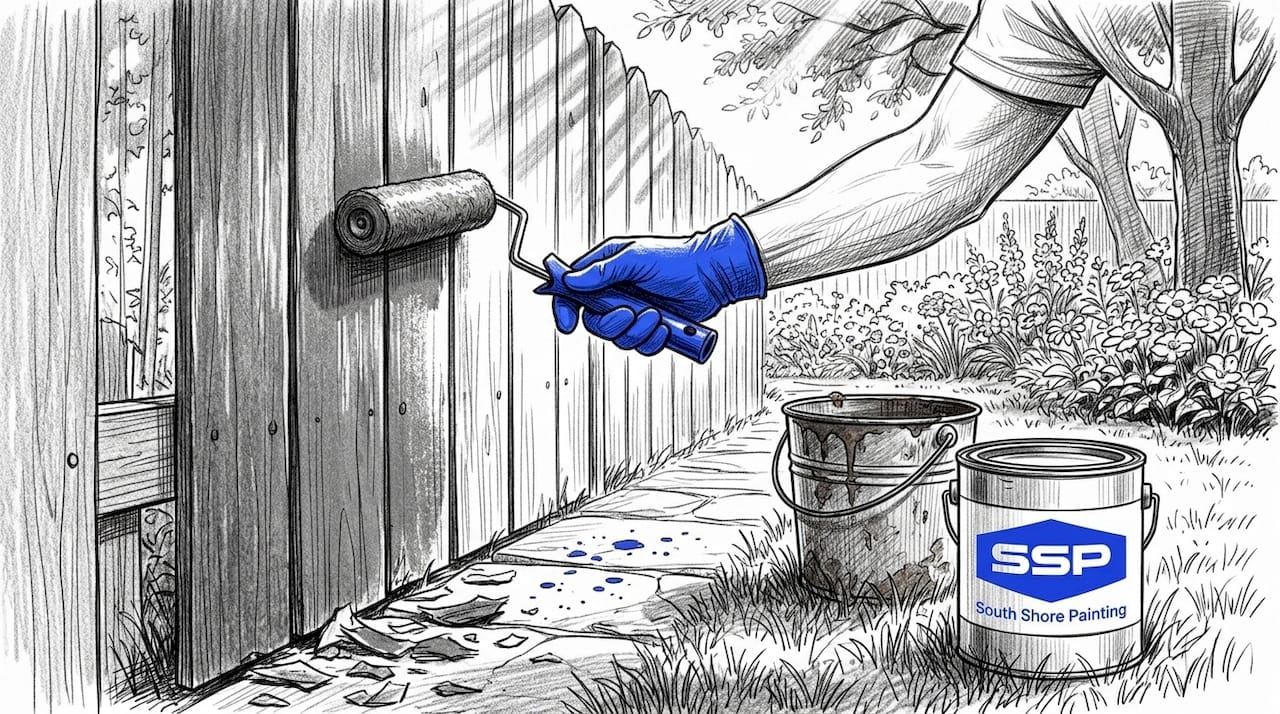
Beyond protection, the curb appeal and value connection is well established. A clean, professionally painted exterior signals maintenance and care to buyers and appraisers alike. For property managers overseeing multiple units, this isn't just aesthetics: it affects tenant retention, lease rates, and long-term asset value.
Key protective benefits of choosing premium paint include:
- Moisture resistance: Prevents wood rot, mildew, and peeling in humid coastal conditions
- UV stability: Higher-quality pigments resist fading from Southern California's intense sun exposure
- Mold and mildew inhibitors: Many premium formulations include additives that suppress biological growth
- Low-VOC options: Protect indoor air quality without sacrificing film performance, a real advantage for occupied homes and commercial spaces
- Termite deterrence: Some exterior paints include compounds that discourage wood-boring insects, adding another layer of structural protection
The importance of good paint becomes especially clear when you factor in repair costs. Repainting a home every four to five years with a budget product often costs more over a decade than repainting every eight to ten years with a quality formulation. That math rarely gets calculated at the paint counter.
What makes paint high quality: coverage, durability, and finish
Not all paint that costs more is genuinely better, which is why understanding the specific attributes of premium products helps you make smarter decisions. The premium paint benefits that separate quality from mediocrity come down to a handful of technical factors.
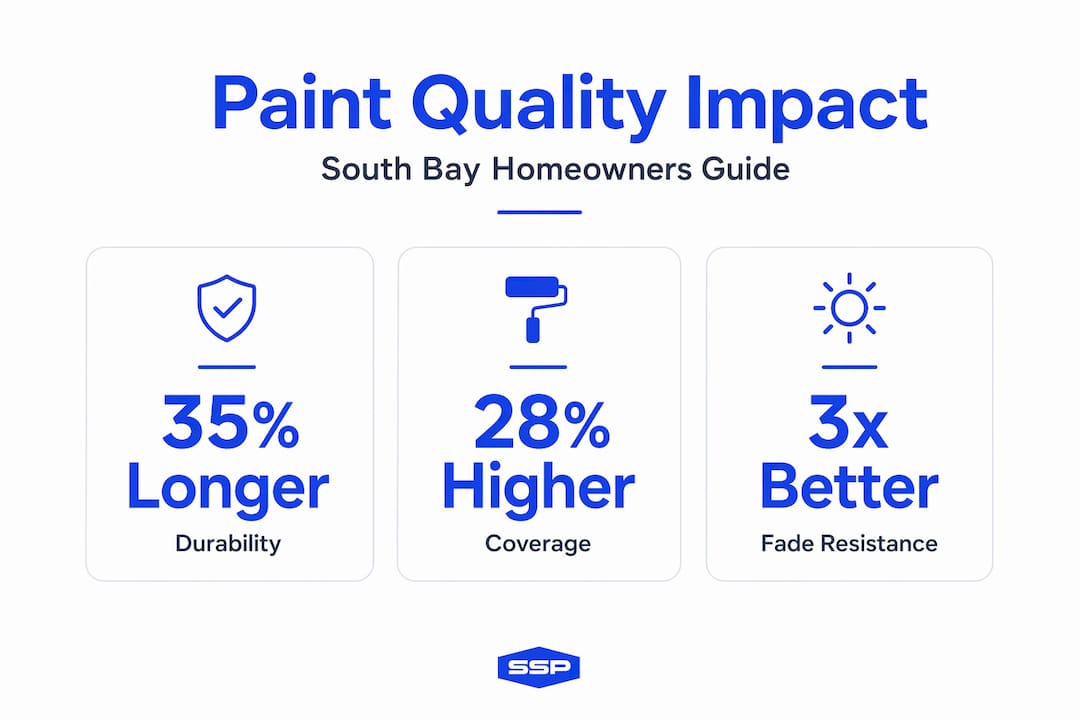
Pigment load and hiding power are the first indicators of quality. Better paints use more titanium dioxide and higher-quality pigment dispersions, which means they cover existing colors more effectively in fewer coats. A single coat of a quality paint often performs closer to two coats of a budget product. That efficiency matters when you're covering a large commercial property or a multi-story home.
Binder quality determines how well paint adheres to surfaces and how long it holds up under cleaning, UV exposure, and physical abrasion. Acrylic binders in premium paints are typically 100% acrylic, while cheaper paints use vinyl-acrylic blends that are more brittle and less flexible. Over time, that brittleness shows up as cracking and peeling.
One often-overlooked factor is wet edge time. Premium paints maintain a wet edge longer, which reduces lap marks and roller stipple for a professional finish. Budget paints dry too quickly, making it difficult to blend sections without visible overlap lines.
Here's a practical comparison of what you get at different quality tiers:
| Feature | Budget paint | Mid-grade paint | Premium paint |
|---|---|---|---|
| Coverage per gallon | 250-300 sq ft | 350-380 sq ft | 380-400 sq ft |
| Coats needed (average) | 2-3 | 2 | 1-2 |
| Wet edge time | Short | Moderate | Extended |
| Stain resistance | Low | Moderate | High |
| Expected exterior lifespan | 3-5 years | 6-8 years | 8-12 years |
| VOC content | Often high | Varies | Often low/zero |
Pro Tip: When comparing paint lines, check the percentage of solids by volume listed on the technical data sheet. Quality paints typically run 35-50% solids, while budget formulations may fall below 25%. Higher solids means more paint film deposited on the surface per coat, which directly determines durability and coverage.
For lasting interior results, the adhesion and leveling properties of premium paint also make a visible difference. A quality interior finish resists scuffs and cleans up without leaving marks or dulling the sheen, something every homeowner with kids or tenants understands well.
The challenges of painting dark colors and how high-quality paint helps
Dark colors are among the most requested choices in South Bay homes right now, and they're also among the most technically demanding to execute well. Understanding why makes the case for quality products and proper technique even stronger.
Dark pigments are inherently more transparent than light ones. When you're painting a deep navy, charcoal, or forest green, the colorant added to the base paint is dispersed more loosely, which means dark colors often require more coats due to pigment load trade-offs, and a gray-tinted primer can significantly reduce the number of topcoat layers needed.
Here's how to approach dark color projects correctly:
- Start with the right primer. A gray-tinted or color-matched primer closes the gap between the existing surface color and the topcoat, reducing the number of finish coats required from three down to two in most cases.
- Allow full drying time between coats. Rushing this step traps solvent and moisture under subsequent layers, which causes adhesion failure and uneven sheen, particularly noticeable in dark colors.
- Use quality tools. A premium roller cover with the correct nap depth deposits paint more evenly and without the foam debris that cheap rollers shed into wet paint.
- Apply thin, even coats. Thick coats in dark colors are especially prone to sagging and drying with uneven sheen. Two properly applied thin coats outperform one heavy coat every time.
"The trade-off in dark paint formulations is real: the pigment load that creates that rich, saturated look is also what makes full, even coverage harder to achieve in a single application. The fix isn't more paint dumped on at once, it's proper prep, the right primer, and patience."
This is exactly the kind of situation where the high quality paint comparison becomes obvious. A premium formulation with better binder content and pigment dispersion will level more smoothly and deliver more consistent sheen between coats. A budget product in a dark color, applied improperly, shows every lap mark and roller line at certain lighting angles.
Choosing the right primer and applying paint correctly for optimal coverage
The advantages of choosing quality paint are only fully realized when the surface is properly prepared and the application is technically sound. Primer selection is often the step that makes or breaks a paint job.
Primer types vary based on surface material and the nature of the color transition:
- Shellac-based primers work on heavy stains, smoke damage, and water marks, sealing before topcoats
- Oil-based primers provide excellent adhesion on bare wood and previously painted oil surfaces
- Water-based acrylic primers are appropriate for most drywall, previously painted surfaces, and general interior work
- Tinted primers (gray or color-matched) reduce the number of finish coats needed when making dramatic color changes, especially to dark shades
Surface texture has a direct impact on how much paint you'll actually need. Manufacturer coverage labels are idealized, and real-world coverage can drop 20-35% on bare or textured surfaces, which means planning for two coats and accurate material estimates is essential for avoiding mid-project shortfalls.
| Surface type | Estimated coverage reduction vs. label |
|---|---|
| Smooth drywall (primed) | Minimal (0-5%) |
| Unprimed drywall | 15-25% |
| Textured/orange peel walls | 20-30% |
| Rough wood or stucco | 30-35% |
| Previously painted rough exterior | 20-25% |
Pro Tip: Always buy 10-15% more paint than your square footage calculation suggests, especially on textured exteriors. Running short mid-wall forces you to open a new batch, and even paint from the same production run can show slight color variation in direct sunlight.
Proper application technique ensures uniform film thickness and lasting results. Applying paint too thickly creates runs and uneven drying, while applying it too thinly sacrifices coverage and durability. Both extremes undercut the investment you've made in quality materials.
How environmental conditions and application techniques affect your paint job
South Bay's coastal environment is specific enough that environmental awareness during application is not optional, it's part of doing the job right. Even the best paint performs poorly when applied in conditions that work against it.
Key environmental and technique factors to manage:
- Temperature: Most paints require application between 50°F and 90°F. Below that range, drying slows dramatically and adhesion suffers. Above it, paint skins over before it can level properly.
- Humidity: High coastal humidity extends drying time and can trap moisture under the film, leading to blistering. Early morning application near the coast should account for marine layer burn-off.
- Wind: Accelerates drying unevenly, making it harder to maintain the wet edge that prevents lap marks
- Roller nap depth: A 3/8-inch nap is appropriate for smooth surfaces; textured stucco or rough siding typically requires a 1/2-inch to 3/4-inch nap for adequate paint deposition
- Brush quality: Natural bristle brushes work with oil-based coatings; synthetic bristles are required for water-based paints to avoid bristle absorption and swelling
Optimal wet film thickness for a professional-grade exterior paint like Sherwin-Williams Super Paint runs 6 to 12 mils to ensure proper adhesion, leveling, and hiding power. Maintaining that range consistently across a surface requires technique and attention, not just good product.
Pro Tip: Paint in the shade whenever possible on South Bay exteriors. Direct sunlight heats surfaces faster than air temperature suggests, causing paint to dry before it levels and resulting in an uneven, rough texture that's visible at angle.
The top painting tips for South Bay property managers consistently come back to this point: conditions and technique determine whether even premium paint performs at its best.
Why investing in high-quality paint is smarter than just buying the cheapest option
Here's the perspective that doesn't get discussed enough at the paint store: choosing the cheapest paint doesn't save money. It defers costs to a worse timeline.
Budget paints sacrifice durability and stain resistance for lower upfront price. That trade-off shows up in the first cleaning: flat or low-quality paints mark easily and degrade when scrubbed. In a rental property, that means repainting more frequently between tenants. In a primary residence, it means living with walls that look worn within a year of a paint job. Higher-quality formulations trade immediate coverage for long-term durability, stain resistance, and easier cleaning, and those properties compound over the life of the finish.
The other cost factor that rarely enters the conversation is labor. Whether you hire professionals or do the work yourself, labor is the larger expense in most paint projects. Applying a premium product that lasts ten years rather than five effectively halves your labor cost over that period, even if the paint itself costs 30-40% more per gallon. That's the math that justifies why invest in premium paint, and it's especially relevant for property managers running multi-unit buildings where repainting cycles add up fast.
We've seen firsthand what happens when the wrong product is paired with poor technique. A professional painter versus a shortcut painter isn't just about skill: it's about whether the person holding the brush understands that prep, primer, product quality, and environmental conditions all work together. Miss one element, and the whole system underperforms.
Proper primer prevents bleed-through. Quality paint resists fading and scuffing. Professional application ensures uniform thickness. These aren't luxury considerations. They're what the job actually requires to perform as advertised and to protect the investment you've made in your property.
Connect with South Shore Painting for expert high-quality paint solutions
Knowing why high-quality paint matters is the first step. Getting it applied correctly in South Bay's demanding environment is where expertise makes the difference. South Shore Painting specializes in durable, high-quality interior and exterior finishes for homeowners and property managers throughout the South Bay, with deep experience in the environmental conditions, surface types, and product choices that determine how long a paint job actually holds up.
From primer selection to final coat, every project is built on proper surface preparation, premium materials, and workmanship you can see and touch. Whether you're refreshing a single-family home in Hermosa Beach or repainting a multi-unit property in Torrance, the team at South Shore Painting brings the technical knowledge and product expertise to deliver results that protect your property and stand up to real use. Explore professional painting guidance and connect with us to discuss your project.
Frequently asked questions
Why is high-quality paint better for homes in the South Bay, CA?
High-quality paint offers superior protection against the moisture, mildew, and UV damage that South Bay's coastal climate accelerates, keeping surfaces intact and looking fresh significantly longer than budget alternatives.
How many coats of paint do I need for dark colors?
Dark colors typically require two to three coats for full, even coverage because of how dark pigments are dispersed; a gray-tinted primer can reduce the number of finish coats needed and improve color accuracy.
What factors affect paint coverage estimates?
Coverage depends heavily on surface texture and porosity, and real-world coverage drops 20-35% on bare or textured surfaces compared to the idealized figures printed on manufacturer labels.
Can high-quality paint improve indoor air quality?
Yes, many premium paints are formulated with low or zero VOC content, which significantly reduces harmful emissions during and after application and supports healthier air in occupied homes and commercial spaces.