
South Bay homeowners and property managers face a painting challenge that most coastal California markets understand all too well: the combination of ocean fog, intense UV exposure, salt air, and temperature swings creates conditions that punish shortcuts and reward precision. A paint job that looks acceptable on application day can start peeling, fading, or cracking within a year if the underlying prep was rushed or the wrong products were used. That is the core reason why so many local property owners are moving away from DIY attempts and toward experienced professional painters who understand the environment, the materials, and the discipline required to make results last.
Table of Contents
- Workflow discipline: The backbone of lasting results
- Surface prep and premium materials: Extending paint life
- Professional techniques: Flawless finishes and cleaner edges
- Long-term value: Reduced maintenance and stronger curb appeal
- Situation-specific expertise: Solving South Bay's painting challenges
- Why professional painting pays off in South Bay
- Connect with proven South Bay painting pros
- Frequently asked questions
Key Takeaways
| Point | Details |
|---|---|
| Discipline ensures durability | Professional workflow and technique make paint jobs last longer and look better. |
| Prep and materials matter | Surface preparation and premium products protect your property from weather damage. |
| Superior finishes, higher value | Expert skills deliver flawless finishes and boost curb appeal and property worth. |
| Local expertise wins | South Bay pros solve regional painting challenges for lasting results. |
| Strategic investment | Hiring pros is a smart investment—saving maintenance costs and maximizing value. |
Workflow discipline: The backbone of lasting results
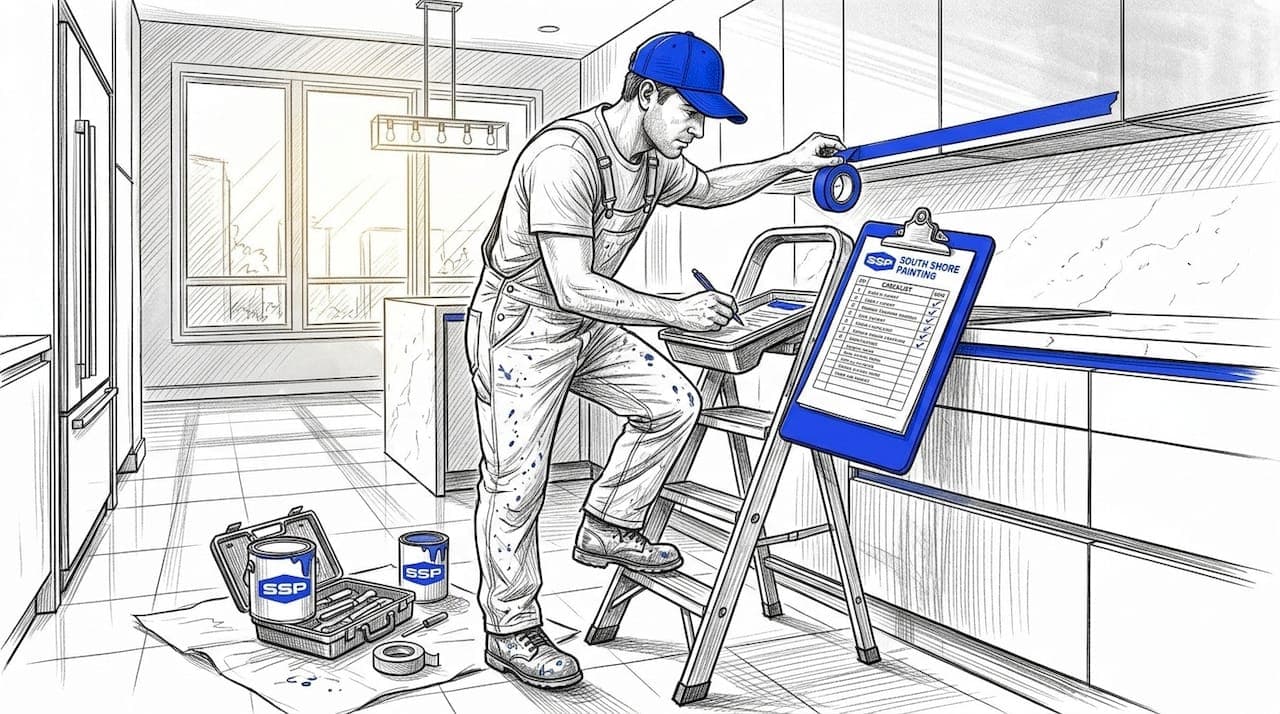
Professional painters follow a carefully sequenced workflow on every job, and that consistency is not a stylistic preference. It is the foundation of durable, high-quality results. The process moves through clearly defined stages: surface assessment, preparation, priming, cutting in, rolling or spraying, and cleanup. Each stage depends on the one before it being completed correctly, which means skipping or rushing any step compounds errors downstream.
For homeowners who have attempted interior or exterior projects themselves, a familiar pattern often emerges. The edges look rough where the brush met the roller, the primer coat was applied unevenly, or the finish coat went on before the primer was fully cured. These are not isolated mistakes. They reflect a workflow that was not properly sequenced.
Professionals recognize that workflow coordination from prep through cleanup prevents the most common quality failures, including poor primer decisions and inconsistent wet-edge handling. South Bay's coastal climate adds another layer of complexity here, because temperature and humidity fluctuate significantly between morning and afternoon. Professionals schedule their workflow around those conditions, knowing that fog-heavy mornings are not ideal for applying certain finishes, while the dryer afternoon hours offer better adhesion windows.
"Disciplined workflow is not just about doing things in order. It is about understanding why the order matters and what happens to the final result when that order is compromised."
When you are choosing house painters in the South Bay area, workflow discipline is one of the most telling indicators of professionalism. Ask about their prep process. Ask about primer selection. If the answers are vague, that tells you something important.
- Surface assessment and damage repair
- Cleaning and degreasing
- Sanding and feathering rough areas
- Priming with appropriate product for the substrate
- Cutting in along all edges and trim
- Rolling or spraying field areas
- Second coat application once fully cured
- Cleanup and final inspection
This sequence is not optional. It is the blueprint for results that hold up over time.
Surface prep and premium materials: Extending paint life
Beyond workflow, the materials and preparation approach separates the pros from the rest. Surface preparation is genuinely the most important phase of any paint job, yet it is also the phase most commonly skipped or shortened by inexperienced applicators. Professional painters invest real time in this stage because they understand what happens when they do not.
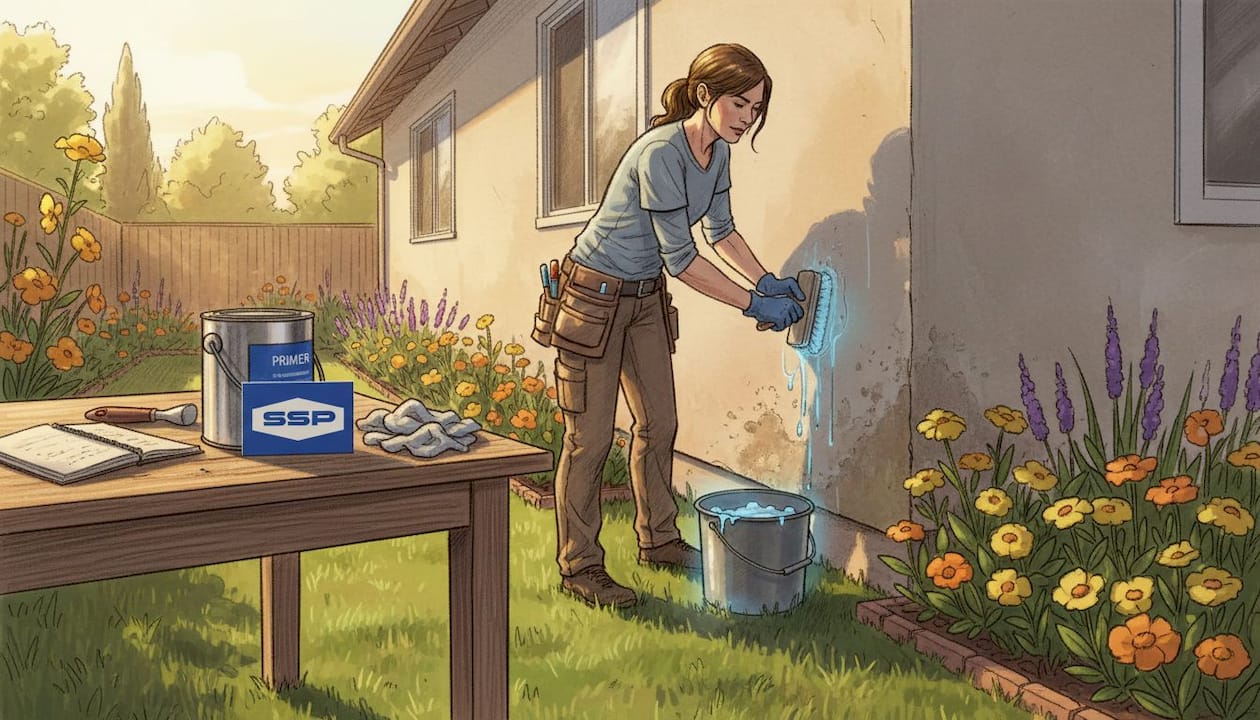
Proper prep includes washing surfaces to remove dirt, mildew, and salt deposits, which are particularly common on South Bay exteriors. It includes sanding to create surface profile for adhesion, patching cracks and nail holes with the right compounds, and applying a suitable primer before any topcoat touches the wall. Each of these steps directly affects how long the paint will bond to the surface.
The material selection process is equally important. Not all paints perform the same way in coastal environments. Professional painters select products rated for UV resistance, humidity tolerance, and salt-air exposure. They understand the difference between a builder-grade product and a premium formulation, and they know where that difference shows up: in adhesion, in color retention, and in the number of years before the next repaint cycle is needed. The benefits of premium paint go beyond aesthetics. They directly affect maintenance costs over the life of the property.
Key preparation and material advantages professionals bring to every project:
- Thorough surface cleaning to remove salt deposits, mildew, and oxidation before any coating is applied
- Correct primer selection matched to the substrate, whether wood siding, stucco, concrete, or drywall
- Crack and damage repair completed before painting begins, not after
- Premium topcoat selection appropriate for the building's specific sun and moisture exposure
- Proper dry time enforcement between coats to ensure full cure and maximum adhesion
Pro Tip: In South Bay, stucco exteriors benefit significantly from a masonry primer before the topcoat. This step seals the porous surface, prevents alkalinity from compromising adhesion, and dramatically extends the life of the finish coat.
Understanding how South Bay weather impacts your exterior surfaces helps explain why professional material decisions matter so much here. The techniques for lasting interior results follow a similar logic: preparation and product quality drive longevity, not just the topcoat application itself.
Professionals also cut in before rolling and maintain a wet edge throughout the application process, which prevents lap marks and blending seams from appearing in the dried finish. This is a technique detail that separates clean results from amateur-looking work.
Professional techniques: Flawless finishes and cleaner edges
Technique also plays a key role, and here is how skills make all the difference. Two painters using identical products on the same surface can produce dramatically different results based purely on technique. Professional painters develop their skills through years of repetition and have refined their approach for speed, consistency, and quality simultaneously.
The most visible quality difference between professional and DIY results typically shows up at the edges. Cutting in cleanly where walls meet ceilings, where trim meets siding, and where two different colors converge requires a steady hand, the right brush, and a practiced technique for maintaining a clean line at consistent speed. Without that practice, brush strokes are uneven, paint bleeds across boundaries, and the overall finish looks inconsistent.
Maintaining a wet edge is another advanced technique that significantly affects the final appearance. When a roller pass dries before the next one overlaps it, the dried edge leaves a visible line in the finished surface. Professional painters work systematically to keep edges wet, overlapping each new pass before the previous one has fully set. Coordinating each application step this way eliminates the lap marks and uneven sheen that characterize rushed DIY jobs.
| Quality factor | Professional result | Typical DIY result |
|---|---|---|
| Edge precision | Clean, consistent lines | Uneven, visible bleeds |
| Surface texture | Smooth, uniform sheen | Roller marks, stippling |
| Color consistency | Even tone across full surface | Blotchy areas, visible lap marks |
| Finish durability | Full adhesion, proper cure | Risk of early peeling |
| Time to completion | Efficient, planned schedule | Frequently extended timelines |
For South Bay property managers overseeing multiple units or commercial spaces, these technique differences are amplified across larger surface areas. A single blotchy accent wall in a residential unit may be a cosmetic issue. The same problem repeated across a commercial facade or a multi-family property becomes a significant presentation liability. Painting strategies for property managers account for these scale concerns and explain why professional technique is a non-negotiable standard at the commercial level.
Long-term value: Reduced maintenance and stronger curb appeal
With quality established, let's look at the long-term rewards of the professional approach. A professionally executed paint job does more than improve immediate appearance. It delivers measurable financial benefits over the ownership period of the property, particularly in a market as competitive as South Bay's.
When paint adheres properly to a well-prepared surface using premium materials applied with correct technique, the interval between repaint cycles extends significantly. For a typical South Bay home, the difference between a quality professional job and a rushed budget application can mean the difference between repainting in four years versus repainting in eight or more years. Over a decade, that difference represents thousands of dollars in avoided labor and material costs.
| Painting approach | Estimated lifespan | Repaint cycles per decade | Relative maintenance cost |
|---|---|---|---|
| Professional with proper prep | 7 to 10 years | 1 cycle | Lower |
| Budget/DIY without full prep | 3 to 5 years | 2 to 3 cycles | Higher |
Professional prep and primer decisions are among the most critical factors for maintaining appearance between repaint cycles, especially given South Bay's building diversity and coastal exposure conditions. The long-term financial argument for professional painting is straightforward: you pay more upfront and pay far less over time.
Curb appeal carries a direct financial connection as well. In South Bay's real estate market, exterior presentation influences buyer perception and appraisal outcomes. Fresh, professionally applied paint signals property maintenance and care, which translates to stronger buyer confidence and, often, stronger offers.
Benefits of sustained professional appearance include:
- Higher appraisal value for properties maintained with consistent professional finishes
- Faster tenant placement in rental properties with well-maintained curb appeal
- Lower ongoing maintenance costs from properly prepared and sealed surfaces
- Stronger negotiating position in sale scenarios due to visible property care
Homeowners looking to boost their property's curb appeal will find that professional painting delivers one of the highest returns on investment among common home improvement projects, particularly when the work is done with proper prep and premium materials.
Situation-specific expertise: Solving South Bay's painting challenges
Finally, professionals bring local insight and adaptability to every project. South Bay encompasses a remarkable range of building types, ages, and exposure conditions. From pre-war Craftsman bungalows in Redondo Beach to modern mixed-use developments in Manhattan Beach, from beachfront condominiums in Hermosa to sprawling commercial properties inland in Gardena, the architectural and environmental variety is significant.
Each building type presents distinct challenges. Older wood-framed homes often have multiple layers of old paint that must be properly assessed before new coatings are applied. Stucco buildings common throughout the area require specific primers and application techniques to prevent moisture intrusion and alkali bleed-through. Modern fiber cement siding has its own preparation requirements. A professional who has worked across South Bay's full range of building stock understands these differences and adjusts their approach accordingly.
The environmental challenges are equally varied. Coastal exposure in South Bay creates a combination of fog-driven moisture, direct UV radiation, and salt air that is particularly hard on paint films. Buildings within a mile of the water face accelerated paint degradation compared to those farther inland. Professional painters account for this by selecting appropriate coatings, applying adequate film thickness, and prioritizing surfaces that face the ocean or receive the most direct sun exposure.
Pro Tip: For properties within close proximity to the ocean, ask your painter specifically about coatings rated for salt-air environments. These formulations contain additives that resist the corrosive effect of marine air, and the difference in longevity compared to standard products is substantial.
Key areas where local expertise makes a measurable difference:
- Historic home preservation using appropriate period-compatible finishes without sacrificing durability
- Moisture management on coastal-facing elevations where fog-driven humidity is consistent
- Color retention planning for surfaces with heavy south or west sun exposure
- Multi-surface coordination on mixed-material buildings common in South Bay commercial properties
- Application timing around coastal weather windows to maximize adhesion conditions
Browsing a professional project gallery gives you a concrete sense of how local expertise translates into finished results across different South Bay building types and conditions.
Why professional painting pays off in South Bay
Most conversations about professional painting focus on the immediate visual result, and that framing undersells the actual value. From our perspective, the strongest argument for hiring professionals in South Bay is not about aesthetics at all. It is about strategic cost management over time.
Here is something most guides will not tell you directly: when you hire a professional painting company, you are not just buying a paint job. You are buying a decision process. The choice of primer, the preparation sequence, the product selection, the application schedule, all of these decisions compound over the life of the paint film. A professional who makes good decisions in each of those areas is effectively extending your repaint cycle, reducing your maintenance liability, and protecting the asset value of your property. A contractor who cuts corners in any of those areas is shifting future costs back onto you, usually at a worse time and a higher price.
We also think the risk of choosing the wrong painter deserves more attention than it typically receives. A bad paint job in South Bay's coastal climate does not just look poor. It fails structurally. Moisture gets behind improperly sealed surfaces and causes wood rot, stucco cracking, and substrate damage that costs far more to repair than the original paint savings justified. The professional advantage is not a luxury in this environment. It is genuinely protective.
The local knowledge factor is also chronically underrated. A painter who understands the specific microclimates across South Bay, who knows which neighborhoods get heavy marine layer through May and June and which receive intense afternoon sun through the summer, can make better scheduling and product decisions than any outsider operating from a generic playbook. That local intelligence is built through years of working in the specific conditions your property faces.
Connect with proven South Bay painting pros
Seeing professional painting results in your own neighborhood is one of the most useful steps you can take before starting a project. Real outcomes from real South Bay properties communicate quality far more effectively than any description.
South Shore Painting brings the workflow discipline, surface preparation standards, premium material selection, and local expertise outlined throughout this article to every residential and commercial project in South Bay. Whether you are planning an interior refresh, an exterior repaint, or a full commercial property update, the South Shore Painting team is ready to help you plan and execute it correctly. If you have worked with us before, we would genuinely appreciate it if you took a moment to share your experience and help other South Bay property owners make a confident, informed decision.
Frequently asked questions
How do professional painters ensure a long-lasting finish?
Professionals rely on strict workflow coordination through prep, priming, cut-in, and rollout stages, along with careful primer selection and consistent wet-edge technique, to ensure paint bonds properly and holds up over time.
Do weather conditions in South Bay affect paint durability?
Yes. Coastal fog, UV radiation, and salt-air exposure in South Bay accelerate paint degradation, which is why professional prep and scheduling around local weather conditions are essential for maintaining appearance between repaint cycles.
What is the difference between DIY and professional painting results?
Professionals apply advanced prep techniques, premium products, and precise application skills including coordinated cut-in and wet-edge handling, while DIY projects frequently show uneven finishes, edge bleeds, and shorter overall paint life.
How often should I repaint my property in South Bay?
Most South Bay properties benefit from repainting every 5 to 7 years for interiors and 7 to 10 years for well-prepped exteriors, though proper primer and prep decisions from a professional can extend that window significantly compared to budget applications.