
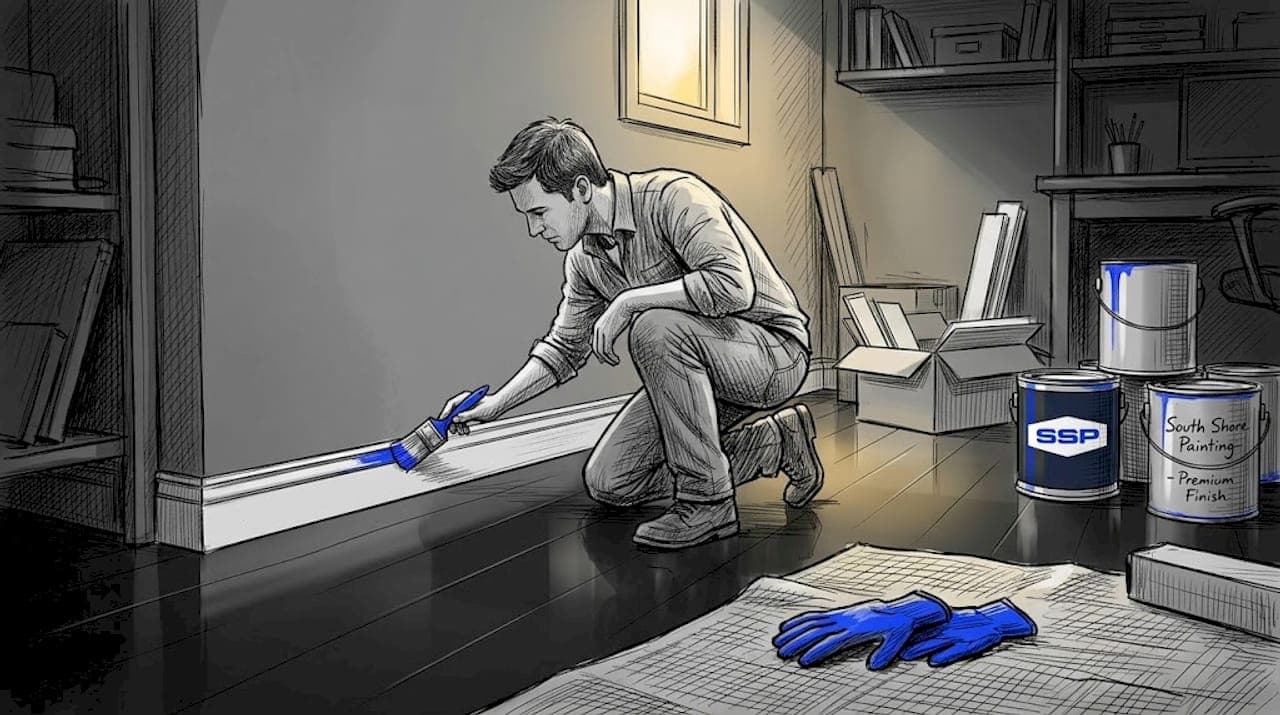
Most homeowners think of interior finish as the final coat of paint or the tile pattern they chose for the bathroom. In reality, interior finishes are the complete set of final wall, floor, ceiling, and space-division materials that transform a bare structure into a livable, functional space. This distinction matters far more than it might seem. The choices made during finish work affect safety ratings, moisture resistance, long-term durability, and the daily comfort of everyone who lives or works in the building. For South Bay homeowners and property managers, understanding what interior finish truly means is the first step toward making decisions that hold up for years.
Table of Contents
- What is interior finish? A clear definition
- What's included in interior finish work?
- Beyond looks: Safety and performance standards
- Quality, durability, and the hidden work you don't see
- Why "interior finish" is the home upgrade most owners underestimate
- Work with trusted experts for your South Bay interior finishes
- Frequently asked questions
Key Takeaways
| Point | Details |
|---|---|
| More than just looks | Interior finish affects safety, durability, and comfort, not just aesthetics. |
| Include all finish work | Finish work covers walls, floors, ceilings, trim, and built-ins—plan for the whole package. |
| Code compliance matters | Choose materials that meet local fire and performance standards for your property’s safety. |
| Quality starts with prep | Longevity comes from expert preparation and installation, not material choices alone. |
| Invest for long-term value | Well-chosen and properly installed finishes boost satisfaction and property value for years. |
What is interior finish? A clear definition
With the importance established, let's clarify exactly what belongs in the scope of "interior finish" and where it sits in a construction or renovation timeline.
According to construction science, interior finishes are the final wall, floor, ceiling, and space-division material applications that create a completed living or working space. They are applied after framing, mechanical rough-ins (plumbing, electrical, HVAC), and insulation are all in place. In other words, finish work is the last major phase before a space is handed over for use.
The scope covers a wide range of materials and systems:
- Walls: Drywall (also called gypsum board), plaster, tile, paneling, and paint or specialty coatings
- Ceilings: Drywall, acoustic tile, exposed wood, or specialty finishes
- Floors: Hardwood, engineered wood, tile, luxury vinyl plank, carpet, or polished concrete
- Trim and casework: Baseboards, door casings, crown moulding, window stools, and built-ins
- Doors and hardware: Interior doors, hinges, knobs, and closers
| Finish category | Common materials | Primary function |
|---|---|---|
| Walls | Drywall, tile, paint | Enclosure, aesthetics, fire separation |
| Ceilings | Drywall, acoustic tile | Acoustics, fire rating, appearance |
| Floors | Hardwood, tile, vinyl | Durability, safety, comfort |
| Trim | Wood, MDF, PVC | Detail, protection, visual completion |
| Cabinetry | Plywood, MDF, solid wood | Storage, function, aesthetics |
"Interior finishes are not merely decorative. They define the usability, safety, and long-term performance of every room in a building."
Achieving lasting interior walls depends on understanding this full scope rather than treating finish work as an afterthought once the structural work is done. Every material choice in this phase carries both visual and functional weight.
What's included in interior finish work?
Now that you know what's generally meant by "interior finish," let's break down the specifics of what gets included in a professional finish work package, room by room and trade by trade.
Finish work includes drywall finishing, paint, flooring, trim and casework, and all related installed components that complete a space. In practice, this means the scope varies depending on the room type and the project's purpose.
Living rooms and bedrooms typically involve drywall finishing to a smooth Level 4 or Level 5 surface, paint or wallcovering, hardwood or luxury vinyl flooring, baseboards, door casings, and window trim. Kitchens add tile backsplashes, cabinet installation, countertop surfaces, and specialty paint or coating on walls near cooking surfaces. Bathrooms require moisture-resistant drywall (greenboard or cement board), full tile walls and floors, and waterproof grout and caulk at all joints.
| Room type | Key finish elements | Special considerations |
|---|---|---|
| Living room | Drywall, paint, flooring, trim | Level 5 finish for high-gloss paint |
| Kitchen | Cabinets, tile, countertops, paint | Moisture and grease resistance |
| Bathroom | Tile, waterproof board, fixtures | Full waterproofing at wet areas |
| Commercial office | Acoustic ceiling, carpet, paint | Fire rating, ADA compliance |
Trim and moulding deserve particular attention. Baseboards protect walls from scuffs and moisture at floor level. Door casings frame openings and conceal gaps between drywall and door frames. Crown moulding adds a visual transition between walls and ceilings. These elements are not optional extras. They are functional components that also signal the overall quality of the finish work to any buyer or tenant who walks through the door.
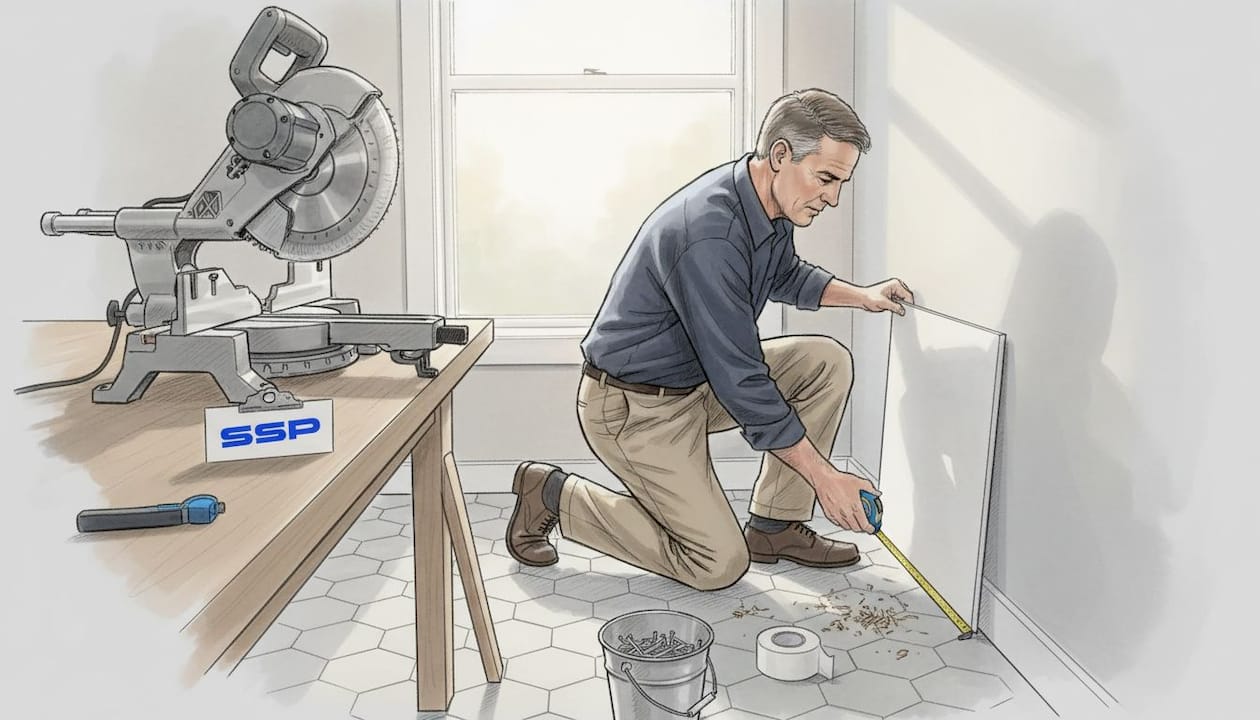
Built-in cabinetry and shelving are also part of finish work in many residential and commercial projects. Interior doors, including their hardware and weatherstripping, fall into this category as well. For property managers in South Bay, getting these details right directly affects tenant satisfaction and unit turnover rates.
Pro Tip: Skimping on trim quality is one of the most common and costly mistakes in finish work. Thin, poorly milled baseboards or casings installed without proper caulking and paint will show wear within a year and signal to tenants or buyers that corners were cut throughout the project. Investing in premium paint and materials for trim pays back in durability and perceived value.
Beyond looks: Safety and performance standards
While finish work brings rooms to life visually, it must also meet strict standards for safety and performance that are particularly relevant in California's regulatory environment.
Not every finish material is selected for aesthetics alone. Fire codes, moisture resistance, and volatile organic compound (VOC) emissions all influence which materials are appropriate for a given space. In California, the California Building Code (CBC) adopts and modifies the International Building Code, which means interior finishes must meet specific flame-spread classifications for walls and ceilings in most occupancy types.
The flame-spread classification system groups materials into three classes based on how quickly fire travels across their surface:
| Class | Flame spread index | Typical applications |
|---|---|---|
| Class A | 0 to 25 | Corridors, exit enclosures, high-occupancy spaces |
| Class B | 26 to 75 | General commercial and multi-family spaces |
| Class C | 76 to 200 | Low-risk residential rooms |
Here is a numbered breakdown of the key performance standards that affect interior finish choices in South Bay properties:
- Fire performance: Class A finishes are required in exit corridors and stairwells in multi-unit residential buildings. Many commercial spaces require Class A or B throughout.
- Moisture resistance: Bathrooms, kitchens, and laundry rooms require non-porous or sealed surfaces that resist mold and water intrusion.
- VOC compliance: California's South Coast Air Quality Management District (SCAQMD) enforces some of the strictest VOC limits in the country. Paint, adhesives, and coatings must comply.
- Acoustic performance: In multi-unit buildings, floor and ceiling assemblies must meet minimum Sound Transmission Class (STC) ratings to limit noise transfer between units.
- Cleanability and durability: Commercial kitchens and healthcare spaces require finishes rated for frequent washing with cleaning agents.
Working with experienced house painters who understand these requirements means you avoid costly rework when an inspector flags a non-compliant finish. This is not a minor concern. In California, non-compliant finishes in a permitted renovation can trigger stop-work orders and require full replacement of installed materials.
A useful example: a South Bay property manager renovating a multi-unit building's common hallway cannot simply choose the most affordable wall paint. The product must meet Class A flame-spread requirements and SCAQMD VOC limits simultaneously. These constraints narrow the field significantly and make professional guidance essential.
Quality, durability, and the hidden work you don't see
After covering what goes into finish work, let's dig into why lasting quality is determined by details most people never see during or after the project.
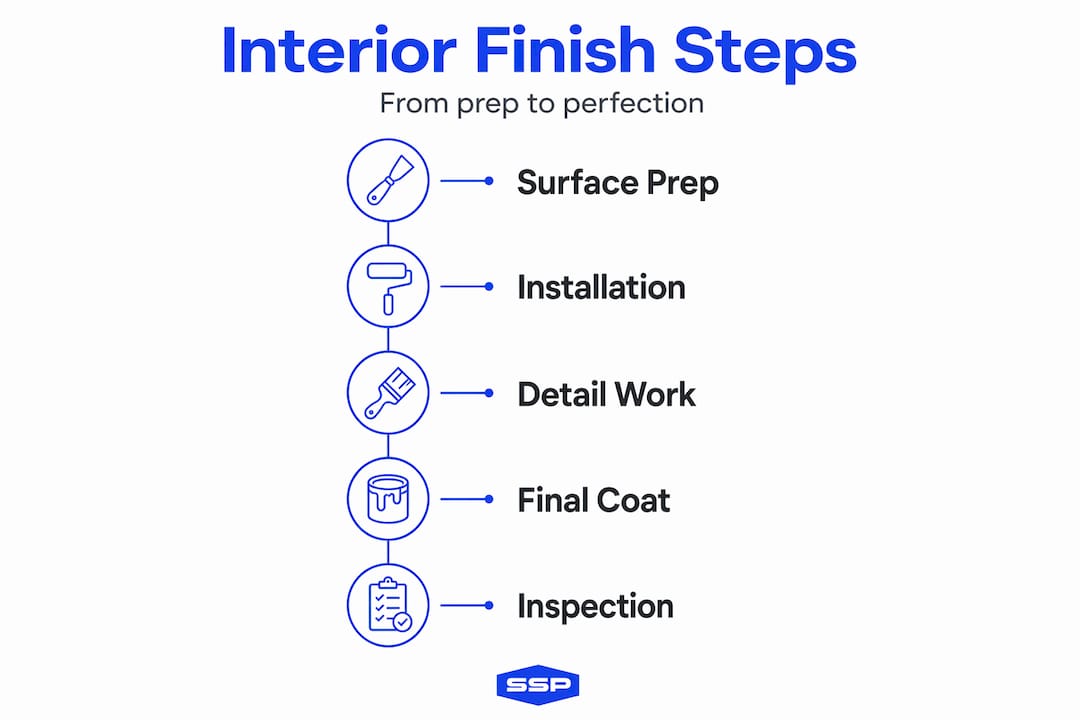
The most important insight in finish work is this: performance depends as much on preparation and installation quality as on the selected finish material itself. A surface failure in preparation or installation can cause premature wear even when the product chosen is high quality. This is a fact that separates experienced finish contractors from budget operators.
The unseen steps that determine longevity include:
- Surface preparation: Sanding, priming, and filling imperfections before any topcoat is applied
- Moisture checks: Verifying that substrates are dry before installing flooring or tile to prevent adhesion failure and mold
- Correct sequencing: Installing finishes in the right order (for example, painting before flooring installation to protect new floors from drips)
- Acclimation: Allowing wood flooring and trim to acclimate to the room's humidity before installation to prevent warping
- Joint and seam treatment: Properly taping, mudding, and feathering drywall joints so they disappear under paint rather than telegraphing through it
"The difference between a finish that looks great for two years and one that looks great for twenty years is almost entirely in the preparation, not the topcoat."
Even the finest hardwood flooring will cup and gap if installed over a subfloor with elevated moisture content. Even premium paint will peel if applied to a surface that was not properly primed or cleaned. This is why thorough prep for interior painting is not optional. It is the foundation on which every other quality decision rests.
Pro Tip: When vetting a finish contractor, ask specifically what their preparation process looks like before any material goes on the wall or floor. A contractor who cannot describe their prep sequence in detail is likely skipping steps. The benefits of premium paint are only realized when the surface beneath it is properly prepared.
A practical checklist for evaluating finish work quality on your property:
- Are all drywall joints and fastener dimples fully filled and sanded smooth?
- Is primer applied to all new drywall and repaired areas before topcoat?
- Are floors protected during painting, and are walls protected during flooring installation?
- Is trim caulked at all joints before painting for a seamless appearance?
- Are tile grout joints consistent in width and fully filled without voids?
- Are all doors and windows operating correctly after trim installation?
These are the questions that separate a finish job worth paying for from one that will need remediation within a few years.
Why "interior finish" is the home upgrade most owners underestimate
Here is the reality check that most renovation guides skip entirely: interior finish work is consistently the most underbudgeted and undervalued phase of any residential or commercial project, and that mistake costs South Bay property owners more than almost any other decision they make.
Most renovation budgets allocate heavily to structural changes, kitchen appliances, or bathroom fixtures, then compress the finish budget to stay on target. The result is thin paint, bargain-grade trim, and flooring that shows wear within two or three years. The renovation looks fine on move-in day and disappoints within a season.
We see this pattern repeatedly in South Bay rentals and resales. A landlord who invests in durable, properly installed finishes sees lower unit turnover because tenants are more satisfied with how their space looks and functions over time. A homeowner who chooses quality finish work before listing a property commands a higher sale price and receives fewer inspection-related concessions. The math is not complicated, but it requires thinking beyond the immediate project cost.
There is also a maintenance planning dimension that experienced property managers understand intuitively. Choosing a semi-gloss paint in a rental kitchen rather than flat paint costs a few dollars more per gallon and saves hundreds in repainting costs over a five-year cycle because it cleans without losing sheen. Choosing porcelain tile over ceramic in a high-traffic entry costs more upfront and lasts two to three times longer. These decisions are only made well when the person specifying the finish understands both the performance characteristics and the long-term cost of ownership.
Investing in quality finishes also boosts home value in ways that are visible to buyers and appraisers. Finish quality is one of the first things a trained eye notices, and one of the last things a budget renovation gets right. For South Bay property owners operating in a competitive real estate and rental market, that distinction is worth taking seriously.
Work with trusted experts for your South Bay interior finishes
Understanding the full scope of interior finish work is the foundation. Acting on that knowledge with the right team is what produces results that last.
South Shore Painting specializes in high-quality interior finishes for residential and commercial properties throughout the South Bay area. Our work is built on proper surface preparation, premium materials that meet California's performance and compliance standards, and workmanship designed to hold up through years of daily use. Whether you are refreshing a single-family home, preparing a rental unit for new tenants, or upgrading a commercial space, we bring the same standard of care to every surface. If you have worked with us before, we would appreciate it if you would share your South Shore Painting experience so other South Bay property owners can make informed decisions about their finish work.
Frequently asked questions
What types of materials are considered interior finishes?
Interior finishes include drywall, paint, wall tile, flooring, trim, casework, and ceiling surfaces, covering everything applied after framing and mechanical rough-ins are complete.
Why do building codes reference interior finishes?
Codes reference finishes to enforce safety standards, particularly flame-spread ratings for walls and ceilings, which determine how quickly fire can travel across a surface in an emergency.
Is interior trim always part of finish work?
Trim and moulding are typically included in finish work scopes, though some contracts list them separately for clarity, especially in large commercial or multi-phase projects.
How do I get the most durable interior finish?
Performance depends equally on quality materials and expert installation, with thorough surface preparation and correct sequencing being the most critical factors for long-term durability.
Can interior finishes affect property value?
Yes. High-quality finishes increase buyer and tenant appeal, reduce long-term maintenance frequency, and signal overall build quality, all of which translate directly into higher property value and lower cost of ownership over time.