
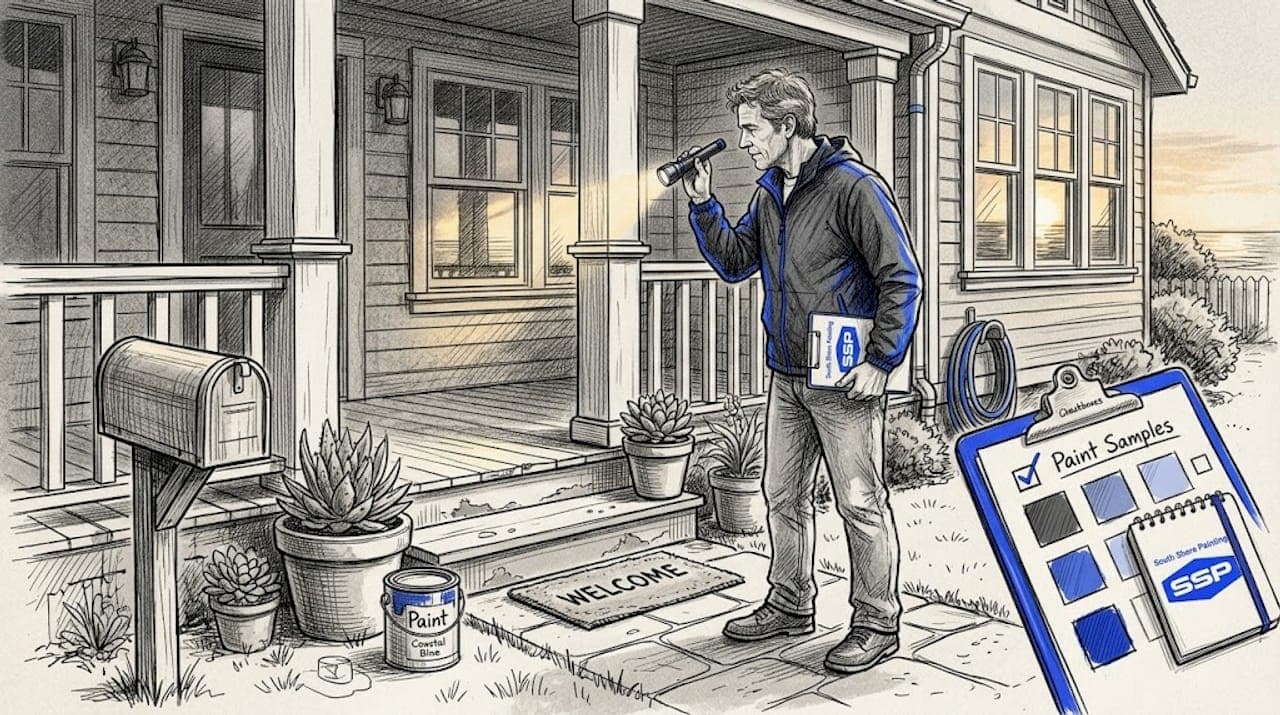
Most homeowners in the South Bay don't realize that a full exterior repaint could have been avoided entirely with a few hours of seasonal attention each year. Premature paint failure is rarely the result of bad luck. It's almost always the result of skipped inspections, deferred touch-ups, and underestimating what the local climate quietly does to your home's exterior finish. This guide covers what actually drives paint failure, what maintenance looks like in practice, and why a small investment in routine care consistently delivers better financial outcomes than waiting until the damage becomes impossible to ignore.
Table of Contents
- The real risks of neglecting exterior paint
- How paint maintenance protects your home and wallet
- The impact of South Bay weather on exterior paint
- Material matters: Stucco, wood, and breathable coatings
- Creating an effective exterior paint maintenance routine
- The truth most owners miss about paint maintenance
- Protect your investment with expert paint care
- Frequently asked questions
Key Takeaways
| Point | Details |
|---|---|
| Early maintenance saves money | Routine upkeep prevents expensive repairs and extends paint life. |
| Curb appeal boosts property value | Well-maintained paint preserves the home's first impression and marketability. |
| Climate matters | South Bay weather demands tailored paint care and attention to sun and moisture risks. |
| Material-specific care needed | Different sidings like stucco and wood require the right products and approach to avoid hidden problems. |
The real risks of neglecting exterior paint
Paint failure is often visible before the real damage becomes apparent. Peeling edges, bubbling surfaces, and chalky fading are warning signs, but the actual problem is what happens underneath once the paint barrier breaks down. Moisture infiltrates the substrate, wood framing swells and begins to rot, and mold takes hold in places you can't easily see or reach. By the time a homeowner notices the exterior looks rough, the repair scope has typically grown well beyond a simple touch-up.
A common misconception is that exterior paint is primarily a cosmetic choice, something you update when you want a fresh look or when you're listing the home for sale. In reality, the paint system is your property's primary physical barrier against moisture, UV radiation, and biological growth. Without an intact coating, the underlying materials deteriorate at a significantly faster rate, and the costs compound quickly.
The most common consequences of neglected exterior paint include:
- Moisture penetration leading to wood rot in window frames, fascia boards, and siding
- Mold and mildew growth on exterior surfaces, particularly on north-facing and shaded walls
- Swollen or warped trim that compromises the seal around windows and doors
- Substrate deterioration that requires replacement rather than repainting
- Escalating repair costs when minor failures are allowed to expand over an entire surface
"Removing flaking paint and ensuring the surface is dry is critical for adhesion and long-term performance." Proper surface preparation isn't just a detail—it's the foundation on which the entire coating system depends.
Sound adhesion and coating performance relies on the substrate being clean, properly prepped, and within allowable dryness and moisture thresholds before any paint is applied or reapplied. This is why maintenance matters not just for the current paint job, but for how well the next one will perform. Knowing how to avoid bad painters who skip this prep step is just as important as the maintenance routine itself.
How paint maintenance protects your home and wallet
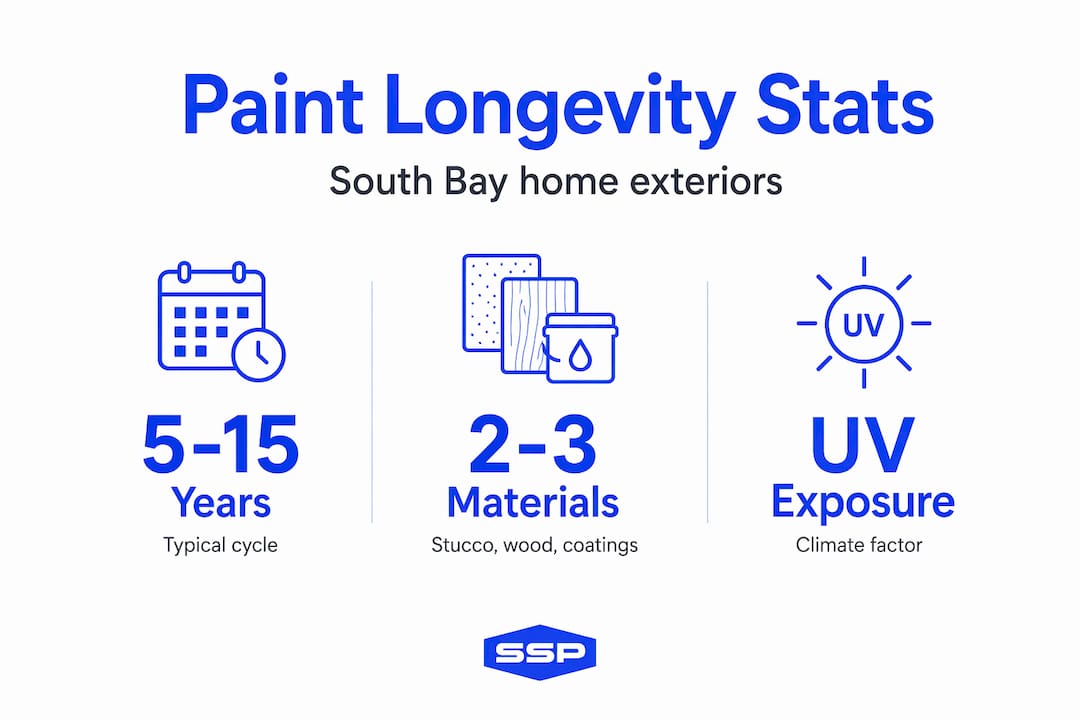
The financial argument for consistent exterior paint maintenance is straightforward. Exterior paint systems typically have a service life of five to fifteen years, but that range is not fixed. It shifts significantly based on how well the surface is maintained between full repaints. Regular upkeep through washing, inspecting, and touching up can extend the useful life of the paint system by preventing the accelerated degradation that comes with moisture intrusion and unaddressed surface failures.
The cost difference between maintained and neglected properties is substantial over a ten-year window. Here's a general comparison:
| Maintenance approach | Typical repaint cycle | Estimated 10-year cost |
|---|---|---|
| Annual inspections and touch-ups | Every 10–15 years | Lower (touch-up costs only for most years) |
| No routine maintenance | Every 5–7 years | Higher (full repaints more frequent, plus potential substrate repairs) |
| Neglect until failure | Every 3–5 years | Highest (substrate damage, prep work, multiple full repaints) |
The numbers make a strong case, but the non-financial benefits matter too. Consistent curb appeal supports resale value, keeps HOA requirements satisfied, and signals to neighbors, tenants, and insurers that the property is well managed. Understanding the premium paint benefits of higher-quality products also plays into this equation, since better coatings tend to hold up longer under routine wear.
Pro Tip: Scheduling a brief annual inspection in spring, right after the rainy season, lets you identify any moisture-related issues while they're still minor and easy to address before summer sun exposure accelerates any existing damage.
A straightforward maintenance process looks like this:
- Annual inspection: Walk the full perimeter, checking for peeling, cracking, chalking, and mold
- Clean surfaces: Low-pressure washing removes dirt, mildew, and salt residue that degrade coatings
- Spot-treat problems: Sand, prime, and touch up any areas showing early-stage failure
- Schedule professional touch-ups: For areas that need more than a simple coat, bring in a professional before damage spreads
Investing in this routine consistently helps you boost curb appeal year after year without the financial shock of an emergency full repaint.
The impact of South Bay weather on exterior paint
The South Bay's coastal climate is genuinely demanding on exterior paint. The combination of intense UV exposure, marine layer fog, and seasonal rainfall creates a multi-directional assault on paint systems that doesn't let up. Each of these factors causes a distinct type of wear, and understanding which side of your property faces which threat helps you prioritize maintenance efforts efficiently.
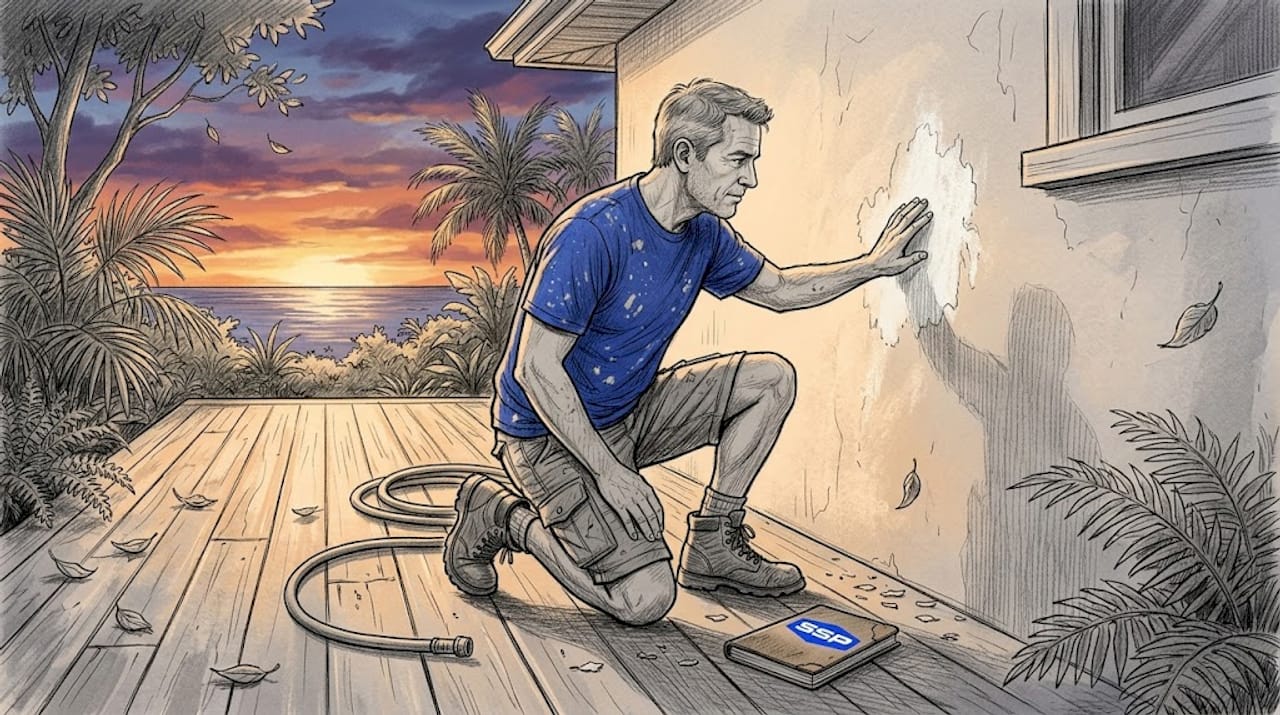
Direct sun exposure causes chalking and fading, where the paint's binder breaks down over time and the pigment loses its color. Marine fog and salt air introduce moisture in a particularly persistent way, because the humidity doesn't spike dramatically and then recede. It lingers, seeping into any gap in the coating surface. Seasonal rains, when they arrive, can drive water into cracks that were already weakened by months of UV degradation.
| Wall orientation | Primary threat | Typical wear pattern |
|---|---|---|
| South and west facing | Sun and UV | Fading, chalking, blistering |
| North facing | Moisture, mold | Mildew growth, slow drying, biological staining |
| Weather-facing (ocean side) | Salt air, fog | Adhesion loss, early peeling |
| Shaded and sheltered | Slow moisture release | Trapped moisture, bubbling on stucco |
Certain areas require more attention regardless of orientation. South Bay weather conditions reinforce the need for particularly close monitoring of:
- Window sills and trim, where water pools and edge grain on wood is exposed
- Lower wall sections, which receive splash-back from rain and irrigation
- Roof-to-wall junctions, where water tends to track down the surface
- Caulked seams, which dry out and crack under UV and temperature cycling
Exterior paint longevity ranges widely from five to fifteen years depending on material, surface type, and climate, and consistent maintenance targeting these hotspots helps maximize the upper end of that range. Property managers especially benefit from this area-specific approach, and painting tips for South Bay property managers offer practical guidance for managing multiple units efficiently.
Material matters: Stucco, wood, and breathable coatings
The South Bay has a diverse building stock, and the exterior surface material on your property directly shapes both the maintenance requirements and the product choices that will perform best. Getting this wrong is a common and costly mistake.
Stucco is probably the most common exterior finish in the region, and it requires specific attention. Stucco is a porous material that naturally absorbs and releases moisture vapor. If you coat it with a non-breathable paint, that moisture vapor has nowhere to go and builds up pressure beneath the surface. The result is coating defects like bubbling, where the paint film physically separates from the substrate. Using a breathable, elastomeric or vapor-permeable coating on stucco isn't a premium upgrade. It's a basic requirement for avoiding premature failure.
Wood siding and trim requires a different focus. Wood expands and contracts with temperature and humidity changes, which means paint on wood faces constant mechanical stress. Edge sealing is critical, particularly on window sills, door frames, and the bottom edge of siding planks, where end grain absorbs water at a much faster rate than face grain. UV-resistant topcoats slow down the oxidation of the wood and the binder in the paint film.
Fiber cement siding is increasingly common in newer South Bay construction. While it is less porous than wood and stucco, it still requires routine maintenance. Factory-applied finishes can fade and check over time, and the seams and cut edges are potential moisture entry points.
A surface-specific approach to maintenance might look like this:
- Stucco: Clean with low-pressure washing, inspect for hairline cracks and seal them before recoating, use only breathable and flexible coatings rated for stucco
- Wood siding and trim: Sand lightly, prime bare wood thoroughly, seal all edges before applying topcoats
- Fiber cement: Inspect seams and cut edges annually, touch up factory finish as needed with manufacturer-compatible products
Pro Tip: When you're discussing an upcoming paint project or touch-up with a contractor, ask specifically what type of coating they recommend for your substrate and why. Choosing house painters who can clearly explain the reasoning behind their product selection is one of the best ways to avoid a job that looks fine on day one but starts failing within a couple of years.
Creating an effective exterior paint maintenance routine
Consistency is the single most important factor in making maintenance work. A routine that is simple enough to follow through on every year will outperform an elaborate plan that gets skipped half the time. The goal is a process that catches problems early, before they require serious intervention.
Proactive inspection through annual walk-arounds and seasonal targeted cleaning tends to be far more cost-effective than waiting for widespread peeling, particularly on sun-exposed and moisture-prone sides. This is a consistent finding among professionals who manage properties over long periods.
Here's what a practical annual routine covers:
- Peeling or flaking at edges, seams, and corners
- Cracks or gaps in caulking around windows, doors, and penetrations
- Chalking or fading that signals binder breakdown on sun-exposed walls
- Mildew or biological growth on shaded, north-facing, or low-ventilation areas
- Blistering or bubbling, especially on stucco or areas with known moisture issues
- Rust stains near metal fasteners, flashing, or fixtures
- Damaged or missing caulk at wall-to-trim and wall-to-foundation transitions
Spring and fall are natural checkpoints for this kind of walk-around. Spring allows you to assess any damage from the rainy season. Fall prepares surfaces before winter rains arrive. For high areas, persistent moisture problems, or any signs of substrate damage, bringing in a professional is the right call. Attempting to address structural or moisture-related damage without the right knowledge and equipment often makes the problem worse. Reviewing the full range of paint maintenance resources available for South Bay properties can help you stay current on best practices as products and techniques evolve.
The truth most owners miss about paint maintenance
Here's what we've observed over many years of working on South Bay properties: most owners don't underinvest in painting because they're careless. They do it because painting feels like a project with a beginning, middle, and end. You paint the house, and you're done. The idea of treating it as an ongoing system with active monitoring and annual attention doesn't match how most people think about home maintenance.
This framing is where problems begin. By the time paint failure is obvious and widespread, water has typically been working on the substrate for at least one, often two, full seasons. The lasting results that professionals deliver aren't just about applying paint well. They're about identifying the conditions that cause premature failure and addressing them before the brush ever touches the wall.
We use moisture meters on substrates before any coating work, specifically because invisible moisture content is one of the most common causes of adhesion failure that clients attribute to "bad paint." We also pay attention to which sides of a building have been maintained and which haven't, because it's rarely uniform. The south and west faces of a building in the South Bay almost always need attention sooner than the north and east sides, and a maintenance plan that ignores that distinction is going to miss problems at the worst possible time.
The owners and property managers who get the best long-term outcomes aren't the ones who spend the most on painting. They're the ones who stay engaged between full projects, keep a record of what was done and when, and call for a professional assessment before the situation becomes urgent.
Protect your investment with expert paint care
Routine exterior paint maintenance is one of the highest-return investments you can make as a South Bay homeowner or property manager. The guidance in this article gives you the framework to build a consistent routine, understand your specific risks, and make smarter decisions about when to handle maintenance yourself and when to call in professional support.

At South Shore Painting, we work with homeowners and property managers across the South Bay who want real, lasting results rather than a coat of paint that looks fine at first and fails ahead of schedule. Whether you need a full exterior repaint, targeted touch-ups, or a professional assessment to identify where your property stands, our team brings the preparation standards, product knowledge, and local experience to get it right. Explore our full range of painting services or take a moment to leave a review if we've had the chance to work on your property. We'd love to hear from you.
Frequently asked questions
How often should exterior paint be maintained in the South Bay?
Inspect annually and touch up as needed. With consistent upkeep, full repainting is typically needed every 10 to 15 years rather than every five to seven.
What causes exterior paint to peel or bubble?
The most common causes are moisture trapped beneath the coating, poor surface preparation before painting, and non-breathable coatings on stucco that prevent moisture vapor from escaping. Proper substrate prep, including ensuring surfaces are dry and clean, is the most reliable way to prevent both issues.
Does paint maintenance really affect home value?
Yes. Consistent exterior upkeep preserves curb appeal, prevents the kind of substrate damage that depresses property value, and keeps the home attractive to buyers and insurers alike.
What's the simplest maintenance routine for busy property managers?
Do a walk-around each season, clean any mildew or salt buildup, and schedule touch-ups wherever you see early signs of wear. A proactive inspection schedule costs significantly less over time than waiting until widespread failure makes a full repaint unavoidable.