
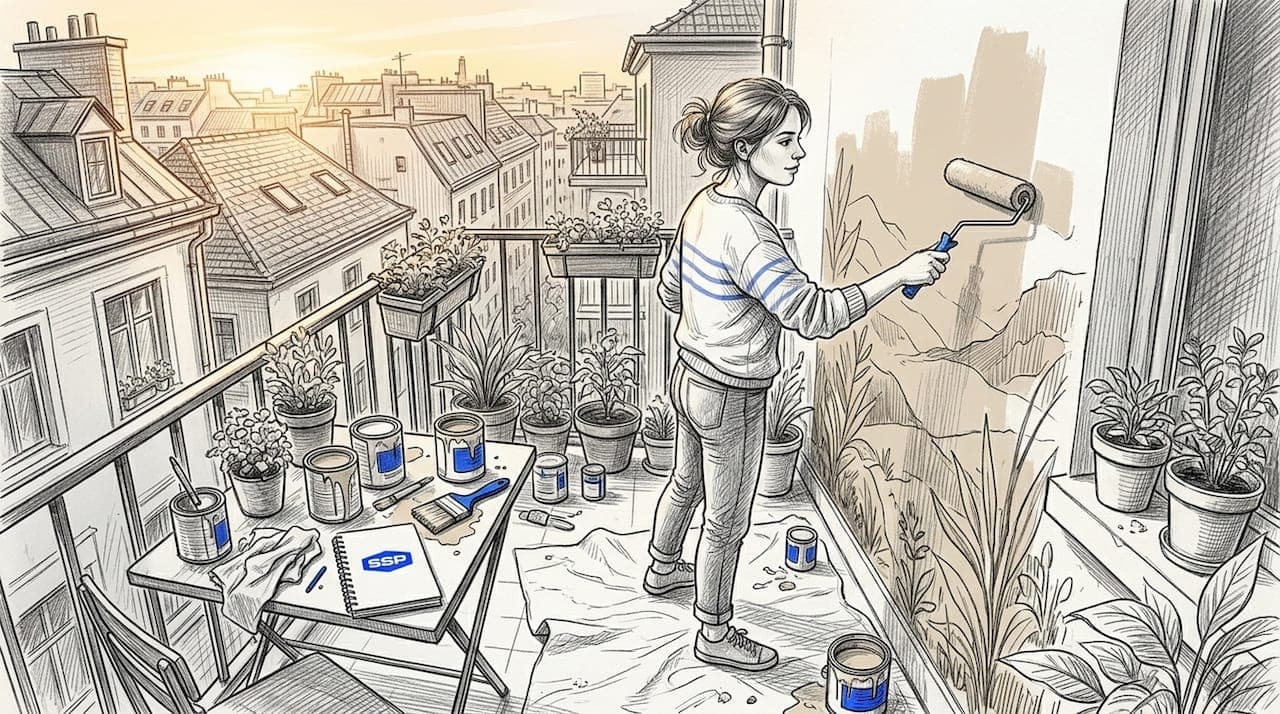
The best paints for rentals combine durability, neutral color palettes, and easy restoration to protect your security deposit while making your space feel like home. Renters face a specific challenge: personalizing a space they do not own, within rules set by someone else. The right paint choice, or the right alternative to paint, can mean the difference between a landlord who approves your request and one who deducts from your deposit. This guide covers top rental paint options, the finishes that hold up best, compliance steps that protect you, and when to skip paint entirely.
1. What are the best paints for rentals?
The best paints for rentals fall into two categories: traditional latex paints in neutral tones and removable paint products designed for temporary use. Each serves a different renter situation, and knowing which fits your lease is the first decision to make.
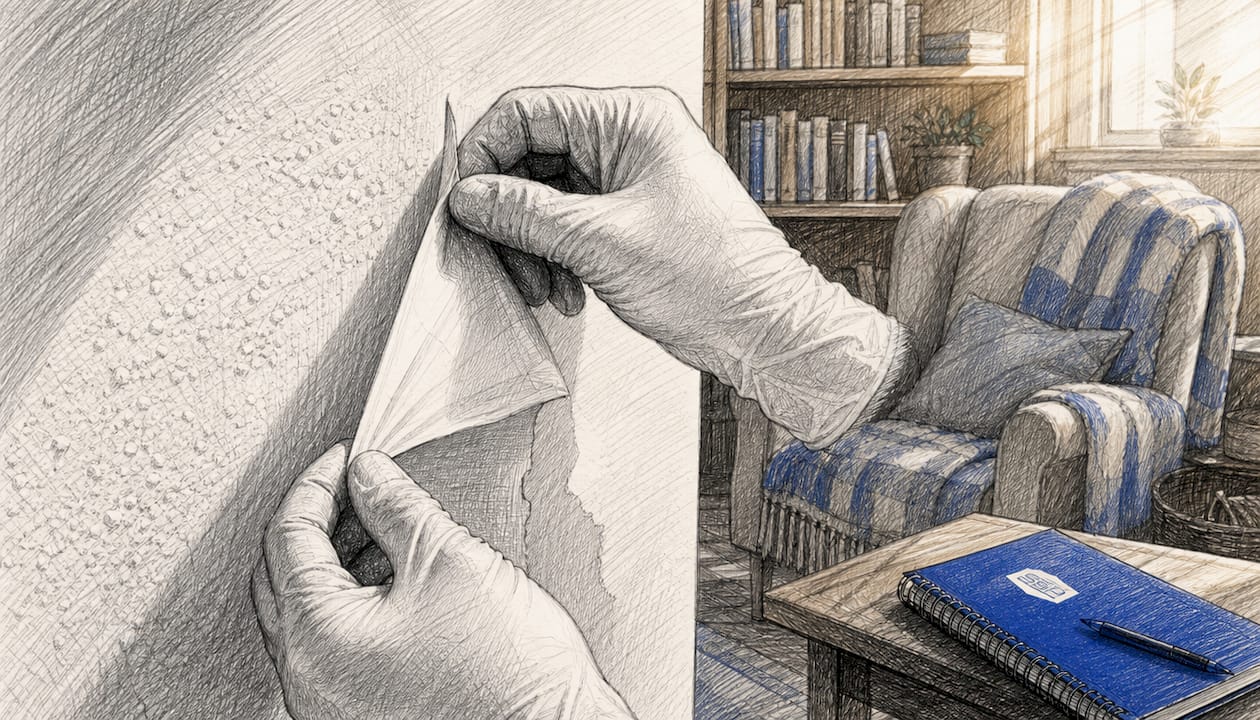
Traditional latex paints are the standard choice when your landlord has granted written approval to paint. High-quality latex paints in eggshell or satin finishes offer durability, easy cleaning, and a professional appearance. They last 7–10 years with proper application, compared to budget options that need repainting within 3–4 years. That longevity matters because it reduces the chance your landlord will need to repaint immediately after you leave.
Removable paint products are a newer category designed specifically for renters. Products like Unpaint can be applied and peeled off residue-free within about one year when used on properly prepared surfaces. These products give you color without permanent commitment, which is ideal for renters in strict lease situations.
- Traditional latex: best for approved, long-term personalization
- Removable paint: best for temporary color without lease risk
- Eggshell finish: ideal for living rooms and bedrooms
- Satin or semi-gloss: better for kitchens, bathrooms, and trim
Pro Tip: Use a primer on porous walls or surfaces with deep existing colors before applying removable paint. Primer creates a consistent base and makes the peel-off process cleaner when it is time to move out.
2. What are the best paint finishes and colors for rental properties?
Paint finish affects durability, cleanability, and how a room photographs. Choosing the wrong finish is one of the most common mistakes renters and landlords alike make when repainting.
Eggshell finish offers the best balance of appearance, durability, and cleanability for general living spaces. It hides minor wall imperfections while still being wipeable, which matters in a space that sees daily use. Satin or semi-gloss finishes work better in kitchens, bathrooms, and high-traffic hallways because they resist moisture and scrub more aggressively without losing their sheen.
Color choice carries equal weight. Neutral warm whites and light grays hide scuffs well, photograph well for listings, and appeal broadly across tenant demographics. Soft greige tones, which sit between gray and beige, have become a reliable standard in rental interiors because they read as warm without being polarizing.
The best rental-friendly color palette includes:
- Warm whites: clean, bright, and universally acceptable to landlords
- Light grays: modern, neutral, and easy to coordinate with any furniture
- Soft greige: warm enough to feel inviting, neutral enough to satisfy most leases
- Off-whites with slight undertones: less stark than pure white, more forgiving on older walls
Avoid saturated colors like deep navy, terracotta, or forest green unless your landlord has explicitly approved them in writing. These shades require multiple coats to cover on move-out, which increases your restoration cost significantly.
3. How to comply with rental agreements when painting
Written landlord approval is required before any painting, as painting is considered a structural change under most lease agreements. Skipping this step is the single most common reason renters lose security deposit funds related to painting.
The approval request should be specific. A vague "Can I paint?" message is easy for a landlord to deny. A detailed written request that includes the proposed color, the finish, the brand, and a clear restoration plan is much harder to refuse. Landlords want to know you have thought through the process and will leave the unit in acceptable condition.
Follow these steps to protect yourself:
- Review your lease for any language about alterations or modifications before approaching your landlord.
- Submit a written request by email so you have a dated record of approval.
- Include the exact paint color name, finish type, and brand in your request.
- Specify your restoration plan, including whether you will repaint to the original color before moving out.
- Keep a copy of the original wall color by photographing it and, if possible, asking your landlord for the existing paint details.
Pro Tip: Ask your landlord for the original paint color code when you move in. Many landlords use a single color throughout a building, and having that code makes restoration straightforward and inexpensive.
One underappreciated issue is that matching existing paint is nearly impossible even with the same color name, because paint batches and application techniques vary. Landlords know this, which is why many prohibit painting outright. Understanding their concern helps you write a more persuasive approval request. You can read more about landlord painting policies and how they affect tenants.
4. Alternative wall treatments when you cannot paint
Peel-and-stick wallpaper is the most practical alternative for renters who cannot get painting approval. It requires no primer, no brushes, and no landlord sign-off in most cases, though checking your lease first is always wise.
Peel-and-stick wallpaper works best on smooth, fully cured walls in low-humidity rooms. It fails on textured surfaces, fresh paint, and glossy finishes because the adhesive cannot bond properly. Kitchens and bathrooms are high-risk zones due to steam and moisture, which weaken the adhesive over time and can pull paint off the wall when removed.
"Testing a small wallpaper patch for 7–14 days before full installation is the single most effective way to avoid costly deposit losses. If the sample peels cleanly and leaves no residue, the product is safe for your walls. If it pulls paint or leaves adhesive behind, stop before you have covered an entire room."
Key considerations for peel-and-stick wallpaper:
- Apply only to smooth, painted walls that have cured for at least 30 days
- Avoid kitchens, bathrooms, and any wall near a heat source
- Premium brands last 5 or more years; budget brands often fail within 12–18 months
- Always test a 12-inch sample in an inconspicuous area before full installation
- Remove slowly at a 45-degree angle to minimize wall damage
Fabric wall panels and removable wall decals are additional options for renters who want texture or pattern without adhesive risk. These attach with small adhesive strips or hooks and leave minimal marks when removed correctly.
5. Cost and professional considerations for painting rentals
Painting a rental unit yourself saves money upfront but carries real risks if the result is uneven, the wrong color, or poorly prepped. Understanding the cost difference between DIY and professional work helps you make a smarter decision.
Professional interior painting costs between $1,800 and $4,200 for a typical rental unit. A professional crew completes a 3-bedroom rental in 4–5 days, while a DIY project often stretches across several weekends. The time cost of DIY is real, especially when you factor in prep work, multiple coats, and cleanup.
| Approach | Typical Cost | Completion Time | Paint Longevity |
|---|---|---|---|
| DIY with budget paint | Low upfront | Several weekends | 3–4 years |
| DIY with quality paint | Moderate | Several weekends | 7–10 years |
| Professional with quality paint | $1,800–$4,200 | 4–5 days | 7–10 years |
Quality paint is the most important variable regardless of who applies it. A professional painter using budget paint will still produce a finish that needs repainting in 3–4 years. Investing in high-quality paint from the start reduces the total cost over time and makes restoration easier when you move out. For a full breakdown of what drives painting costs, the cost factors guide from Southshorepaint covers prep, materials, and labor in detail.
Hire a professional when the unit is large, the walls need significant prep, or your landlord has specific finish requirements. DIY makes sense for small accent walls or touch-up work in a unit where you already have approval and the original paint.
Key takeaways
The best approach to painting a rental combines written landlord approval, quality paint in neutral tones, and a clear restoration plan that protects your deposit from move-in to move-out.
| Point | Details |
|---|---|
| Get written approval first | Submit a detailed request with color, finish, and restoration plan before buying any paint. |
| Choose eggshell or satin finish | Eggshell suits living spaces; satin handles kitchens and high-traffic areas better. |
| Stick to neutral colors | Warm whites, light grays, and greige tones satisfy most landlords and restore easily. |
| Test removable products first | Apply a small patch and wait 7–14 days before committing to removable paint or wallpaper. |
| Quality paint lasts longer | High-quality latex lasts 7–10 years; budget paint needs repainting in 3–4 years. |
What I have learned from years of watching renters paint
Ryan here. After years of working alongside renters and landlords on painting projects, the pattern I see most often is this: renters underestimate how much landlords care about paint consistency, and landlords underestimate how much a fresh coat of paint improves tenant satisfaction.
The biggest mistake renters make is not the color they choose. It is the assumption that "painting it back" is simple. Matching existing paint is genuinely difficult. Even the same color name from the same brand will look different if the batch number or application method changes. I have seen renters repaint a wall perfectly by their own standard and still lose deposit money because the sheen did not match the adjacent wall.
My honest advice is to treat the landlord conversation as a negotiation, not a permission slip. Come in with a specific plan, offer to use a color the landlord already uses in the building, and propose a professional restoration if needed. Landlords who feel respected and informed are far more likely to say yes. And if they say no, removable paint and peel-and-stick wallpaper have improved enough that you can still make a meaningful visual change without touching the walls permanently. Prioritize quality over speed, document everything in writing, and always test before you commit to a full room.
— Ryan
Southshorepaint can help you get it right
Choosing the right paint for a rental is only half the job. Proper prep, correct application, and a finish that holds up to daily use are what actually protect your deposit and keep your landlord satisfied.
Southshorepaint specializes in high-quality interior finishes built on proper surface preparation and premium materials. Whether you are a renter looking for a durable, easy-to-clean finish in an approved color or a landlord preparing a unit for new tenants, the team at Southshorepaint delivers results that last. Explore painting tips and finish guides on the Southshorepaint blog, or visit southshorepaint.com to connect with a professional who can help you choose the right product and approach for your specific rental situation.
FAQ
What paint finish is best for rental apartments?
Eggshell finish is the best choice for most rental living spaces because it balances cleanability and appearance. Use satin or semi-gloss in kitchens, bathrooms, and trim areas.
Do I need landlord permission to paint my rental?
Yes. Painting is classified as a structural change under most lease agreements, and written approval is required before you start. Submit a detailed request that includes the color, finish, and your restoration plan.
What are the best colors for rental walls?
Warm whites, light grays, and soft greige tones are the most landlord-friendly and renter-safe choices. These neutral tones photograph well and are straightforward to restore when you move out.
Can removable paint be used in a rental?
Removable paint products can be peeled off residue-free within about one year on properly prepared surfaces. Always prime porous or dark walls first, and confirm with your landlord that temporary paint products are permitted under your lease.
Is peel-and-stick wallpaper safe for rental walls?
Peel-and-stick wallpaper is safe on smooth, fully cured walls in low-humidity rooms. Test a small patch for 7–14 days before full installation to confirm it removes cleanly without pulling paint or leaving adhesive residue.