
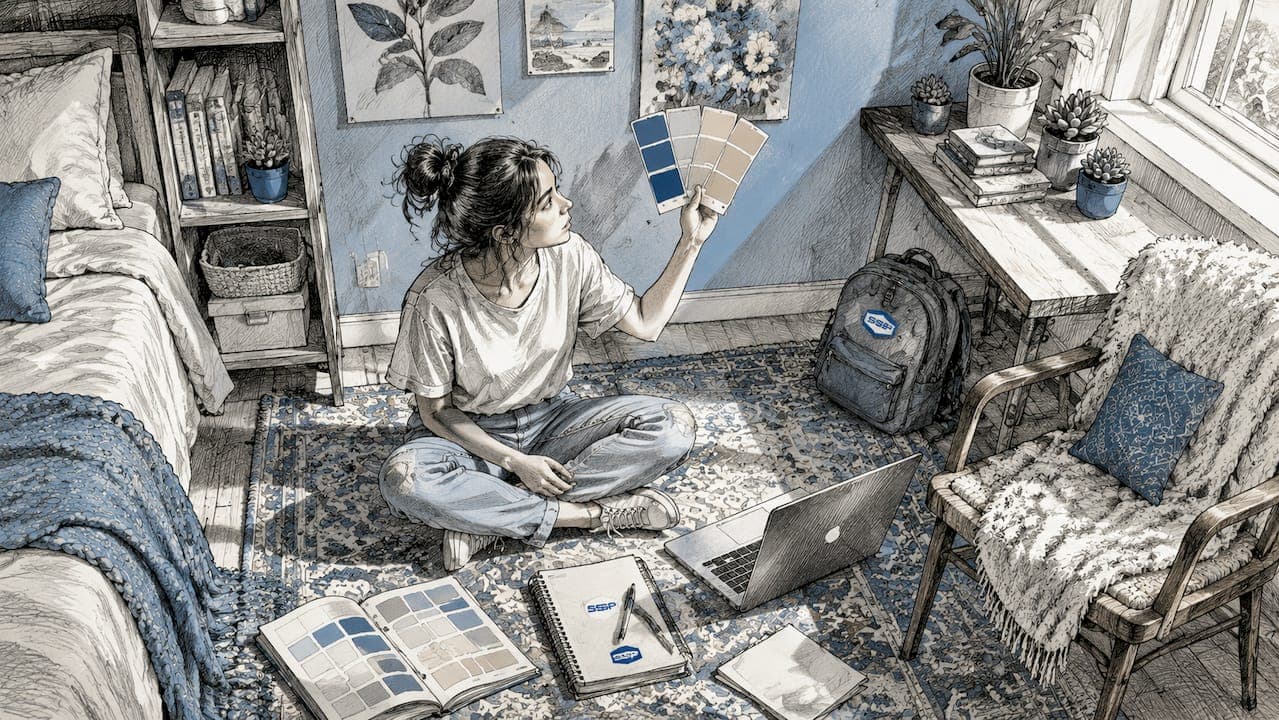
Tenant-friendly paint choices are defined as paint products, colors, and application methods that allow renters to personalize their space without violating lease terms or risking their security deposit. Most standard leases classify painting as an alteration, which means unauthorized painting can result in deposit forfeiture equal to one or more months' rent. The good news is that renters have more options than ever, from low-VOC washable finishes to removable paints that peel off like stickers. Choosing the right product and getting the right approval protects your deposit and your relationship with your landlord.
1. What are the best tenant-friendly paint choices by finish?
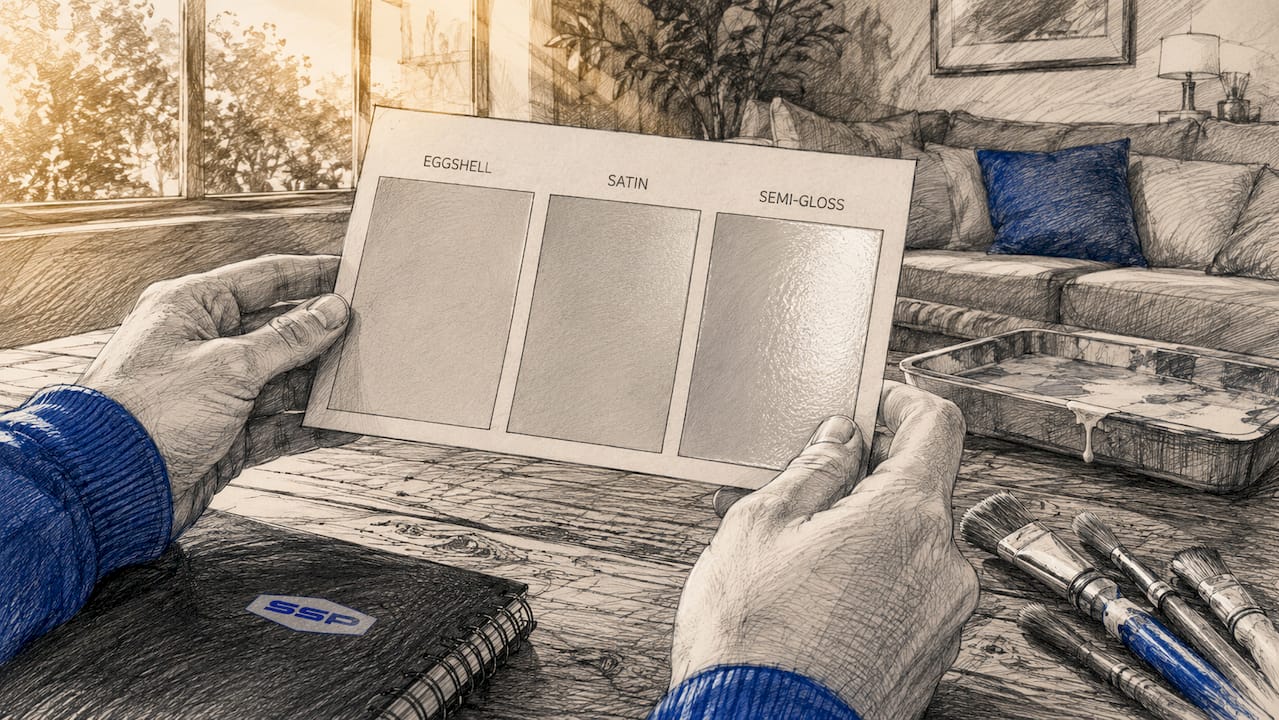
Paint finish is the first decision renters should make. The finish affects how easy the wall is to clean, how durable the paint holds up, and how likely a landlord is to approve the project.
Eggshell and satin finishes are the best options for rental walls. Both offer a subtle sheen that resists scuffs and wipes clean with a damp cloth. That durability matters in rentals because you need to restore the wall to its original condition when you move out.
- Eggshell: Low sheen, hides minor wall imperfections, easy to touch up
- Satin: Slightly higher sheen, more moisture resistant, ideal for kitchens and bathrooms
- Flat or matte: Absorbs light well but marks easily and is hard to clean without leaving streaks
- High-gloss: Durable but draws attention to every wall imperfection and looks out of place in most living spaces
Matte finishes are a common mistake renters make. They look great on move-in day but show every fingerprint and scuff within weeks. High-gloss creates the opposite problem: it is too reflective for most rooms and landlords rarely approve it for standard walls.
Pro Tip: Ask your landlord for the original paint brand, color code, and finish before you start any project. Matching the original finish exactly is the single best way to avoid deposit disputes when you move out.
2. How to get landlord approval for painting your rental
Getting permission is not optional. Verbal agreements lack legal enforceability for painting permissions. Without a signed written consent, you risk eviction, deposit loss, or legal action regardless of what your landlord said in conversation.
The most effective approach is a written proposal. Property managers confirm that professional-style proposals with clear terms significantly reduce denial rates. Your proposal should include:
- The specific rooms or surfaces you plan to paint
- The exact paint color name and code
- The finish type (eggshell, satin, etc.)
- Who pays for materials and labor
- Your restoration plan, including the original color and finish you will return the walls to
A written, signed "Consent to Alteration" agreement protects both parties. It removes ambiguity about what was approved, who pays for restoration, and what happens if the work does not meet the landlord's standard. Without it, any dispute defaults to the landlord's account of events.
Landlords resist painting requests for a practical reason. Matching original wall colors and finishes after years of exposure is extremely difficult. Paint fades, sheens shift, and professional rematching is costly. When you frame your proposal around solving that problem for the landlord, approval becomes far more likely. For more on how professional painters approach this process, the South Bay property manager tips from Southshorepaint offer practical guidance renters can adapt directly.
3. Removable and temporary paints: how they work for renters
Removable paint is the most significant development in renter-friendly decorating in the past decade. These products peel off like stickers without leaving residue, work on drywall and primed surfaces, and last up to one year before needing reapplication. Some product lines offer over 1,000 color options, which means renters are not limited to a handful of safe neutrals.
| Feature | Removable Paint | Standard Latex Paint |
|---|---|---|
| Deposit risk | Very low | High without approval |
| Color options | 1,000+ in some lines | Unlimited |
| Surface compatibility | Drywall, primed walls | Most interior surfaces |
| Safe use duration | Up to 1 year | Permanent |
| Removal method | Peels off cleanly | Requires repainting |
| VOC level | Typically low | Varies by product |
The key limitation of removable paint is surface prep. It does not adhere well to unpainted brick, textured surfaces, or walls with heavy existing damage. Always test a small area first and follow the manufacturer's instructions for surface preparation.
Pro Tip: Low-VOC removable paints are the safest choice for renters in apartments with limited ventilation. Look for products labeled "zero VOC" or "low VOC" to protect air quality in smaller spaces.
4. Top neutral colors that landlords consistently approve
Neutral colors are the standard for rental property paint because they appeal to the widest range of tastes and reflect light effectively. Landlords prefer them because they are easy to repaint over and rarely require more than one coat to restore.
The three most widely accepted neutral categories for rentals are:
- Light greige: A gray-beige blend that reads as warm in natural light and cool under artificial light. Works in living rooms, bedrooms, and hallways.
- Warm off-white: Softer than stark white, reduces the clinical feel of bright white walls, and pairs with almost any furniture color.
- Light taupe: A deeper neutral that adds depth without darkening a room. Works well in spaces with limited natural light.
| Color | Light Reflection | Best Room | Landlord Acceptance |
|---|---|---|---|
| Light greige | High | Living room, hallway | Very high |
| Warm off-white | Very high | Bedroom, kitchen | Very high |
| Light taupe | Moderate | Office, dining room | High |
| Soft gray | High | Bathroom, bedroom | High |
Renters who want more personality can add color through removable wallpaper, art, and textiles while keeping the wall color neutral. That approach satisfies landlords and still creates a space that feels personal. For a broader look at color selection, Southshorepaint's 2026 color guide covers current trends with practical advice on what holds up over time.
5. Creative paint ideas that stay within lease limits
Full wall painting is not the only way to personalize a rental. Small-scale painting projects deliver significant aesthetic improvement with minimal lease risk. Professionals consistently highlight these targeted approaches as the best strategy for renters who want a refreshed space without a complicated approval process.
Practical low-risk painting projects include:
- Furniture painting: A coat of chalk paint on a secondhand dresser or bookcase transforms a room without touching the walls. Chalk paint requires no primer and adheres to most surfaces.
- Interior bookshelf painting: Paint the back panel of a bookcase in a bold color. The effect is dramatic from across the room, and the bookcase moves out with you.
- Removable accent panels: Apply removable paint or peel-and-stick wallpaper to a wooden panel, then lean it against the wall. No adhesive touches the wall surface.
- Bathroom vanity painting: Most leases do not restrict painting furniture, including freestanding vanities. A fresh color on a vanity cabinet changes the entire feel of a bathroom.
- Canvas accent walls: Large-format canvas panels, painted and hung like art, create the visual effect of a painted wall without any paint touching the surface.
The common thread across all these approaches is reversibility. Every project listed above leaves the rental walls untouched and can be undone in an afternoon. That is the standard every renter should apply before starting any decorating project.
Key Takeaways
The most effective renter decorating strategy combines written landlord approval, neutral base colors, and removable or small-scale paint applications to protect deposits while personalizing the space.
| Point | Details |
|---|---|
| Get written consent | A signed "Consent to Alteration" is the only legally enforceable permission for painting. |
| Choose eggshell or satin | These finishes clean easily and match most landlord-applied paints for restoration. |
| Use removable paint for color | Products that peel off cleanly let renters add bold color without permanent damage. |
| Stick to neutral base colors | Light greige, warm off-white, and light taupe satisfy landlords and brighten most spaces. |
| Think small-scale first | Furniture, panels, and shelving deliver high visual impact with zero lease risk. |
Ryan's take on painting your rental the right way
Most renters approach painting as a decoration problem. The real problem is a communication problem. Landlords are not unreasonable about paint. They are risk-averse because they have been burned before by tenants who promised to "paint it back" and left behind a color that no one could match. That fear is legitimate.
The renters I have seen navigate this successfully treat the landlord like a business partner, not an obstacle. They show up with a written proposal, a specific color chip, and a clear restoration plan. That approach changes the entire conversation. A landlord who was going to say no often says yes when the tenant has done the work upfront.
My honest recommendation is to start with removable paint or a small-scale furniture project before you ever ask for wall permission. It gives you a feel for what actually improves the space and what you can live without. Most renters discover that a painted bookcase and some well-chosen art do more for a room than a full wall repaint. The HOA approval process follows similar logic: clear documentation and defined expectations make approval far more likely.
The one mistake I see repeatedly is renters who skip the written agreement because the landlord seemed friendly and agreeable. Friendliness does not hold up in a deposit dispute. Get it in writing, every time.
— Ryan
Southshorepaint's approach to renter-ready painting projects
Renters who do secure landlord approval often face a second challenge: finding the right paint and getting a professional result without overspending. Southshorepaint works with both property owners and tenants across residential projects, and we understand what landlords expect when they inspect a painted rental.
Whether you need help selecting a neutral color that photographs well for move-out documentation or want a professional application that holds up to the restoration standard your lease requires, Southshorepaint delivers quality that protects your deposit. Our team specializes in interior painting finishes that meet the durability and appearance standards most landlords specify. Reach out to discuss your rental project before you pick up a brush.
FAQ
Can I paint my rental apartment without asking?
Painting without written landlord consent is classified as an unauthorized alteration under most standard leases. The result is typically deposit forfeiture or a charge for professional repainting.
What paint finish is easiest to restore when moving out?
Eggshell and satin finishes are the easiest to match and restore. They are also the most common finishes landlords use on rental walls, which simplifies the touch-up process.
How long does removable paint last on rental walls?
Most removable paint products are rated for up to one year of safe use on drywall and primed surfaces before they need to be reapplied or removed.
Do neutral paint colors really matter to landlords?
Neutral colors like light greige and warm off-white are preferred by landlords because they appeal to future tenants and require minimal repainting between occupancies.
Is a verbal agreement enough to paint my rental?
A verbal agreement has no legal enforceability for painting permissions. Always obtain a signed written consent before starting any painting project in a rental property.