
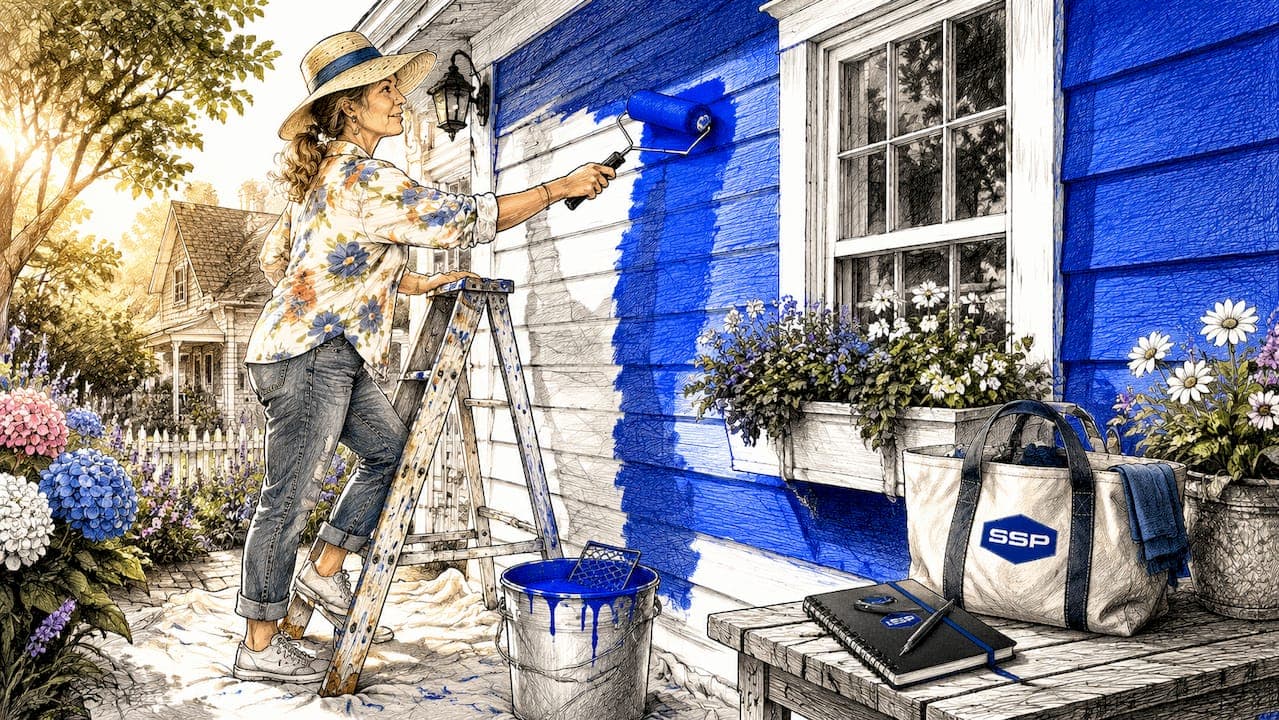
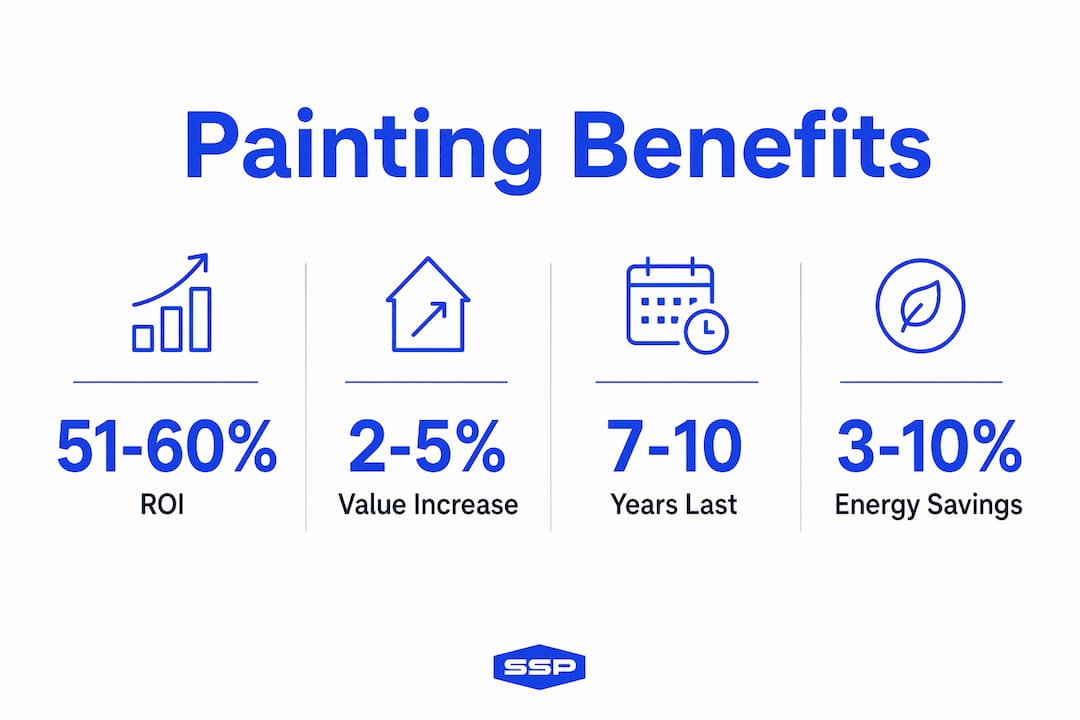
Exterior painting is the single most visible upgrade a homeowner can make to improve curb appeal and property value. Fresh paint signals care, protects surfaces, and shapes the first impression a buyer forms before stepping through the front door. Exterior painting increases home value by 2–5% and delivers an ROI between 51–60%, making it one of the highest-returning pre-sale investments available. Understanding the role of painting in curb appeal means recognizing it as both a protective system and a market tool, not just a cosmetic refresh.
How does exterior painting impact home value and marketability?
The connection between fresh exterior paint and higher sale prices is direct and measurable. Exterior painting yields an ROI of 51–60%, which outperforms many other common home improvement projects. That return reflects both the relatively low cost of painting and the outsized effect it has on buyer perception.
Appraisers treat paint condition as a key indicator of overall property maintenance. Appraisers prioritize exterior condition, with paint status directly influencing property condition ratings and final valuations. A home rated in poor exterior condition can receive a lower comparative market adjustment, which reduces the appraised value even when the interior is well maintained.
Peeling, faded, or stained paint sends a specific message to buyers: this home has deferred maintenance. Neglected paint triggers buyer concerns about what else may have been ignored, leading to lower offers or lost sales entirely. Buyers discount aggressively when they anticipate work, and a fresh paint job removes that negotiating leverage from their hands.
The cost of exterior painting ranges from $1.50 to $4.00 per square foot, making it accessible relative to its impact. For homeowners preparing to sell, the suggested pre-sale budget for exterior improvements is 1–2% of the home's value, with paint as the top priority. Spending $4,000 on a $400,000 home to gain $8,000–$20,000 in value is a straightforward calculation.
What are the functional benefits of exterior painting beyond looks?
Exterior paint is a protective barrier, not just a finish. Quality exterior paint blocks moisture intrusion, pest access, and weather damage, shielding wood siding, trim, and structural elements from the conditions that cause rot and decay. Without that layer, water works into cracks, freeze-thaw cycles expand them, and repair costs grow quickly.
UV radiation is a persistent threat to unprotected wood and composite siding. Exterior paint protects siding from UV radiation, moisture, and temperature-driven wear, extending the functional life of the home's exterior surfaces. A properly painted surface can last 7–10 years before needing attention, while bare or poorly painted wood may show damage within two to three years.
Preventive painting is also a financial strategy. Preventive painting reduces costly future restoration expenses by addressing surface vulnerabilities before they become structural problems. Replacing rotted siding boards costs far more than repainting them on schedule. Exterior painting should be treated as a critical maintenance layer, not an optional aesthetic upgrade.
Pro Tip: Before any exterior paint project, inspect all caulking around windows, doors, and trim. Failed caulk lets moisture bypass even the best paint job. Replacing it costs very little and dramatically extends the life of the new finish.
How do you choose the right exterior paint colors for curb appeal?
Color selection is where homeowners most often second-guess themselves, and where the wrong choice can undercut an otherwise excellent paint job. The goal is a color that reads as welcoming, coordinates with fixed elements like the roof and hardscape, and appeals to the broadest range of buyers.
Warm, versatile neutrals and biophilic hues like atmospheric blues and soft greens are the leading exterior paint color trends for 2026. These tones work because they feel grounded and calm rather than loud or polarizing. Biophilic colors, which draw from natural landscapes, inspire calm and appeal widely to buyers across different tastes and demographics.
Colors to approach with caution include:
- Cold grays with blue undertones — they can read as sterile or unwelcoming in certain light conditions
- Saturated yellows — unless carefully balanced, they tend to look dated or overly bold
- High-contrast primary colors on large surfaces — they narrow buyer appeal significantly
- Trendy accent colors on the full body — what works on a front door rarely works on all four walls
The front door is the one place where a saturated, confident color pays off. A deep navy, forest green, or rich burgundy on the door creates a focal point without committing the entire exterior to a bold statement. This approach lets you express personality while keeping the body color market-friendly.
Roof undertone coordination with exterior paint color is one of the most overlooked steps in the selection process. A warm-toned roof paired with a cool-toned body color creates visual tension that no amount of landscaping can fix. Match the undertones first, then choose the specific shade.
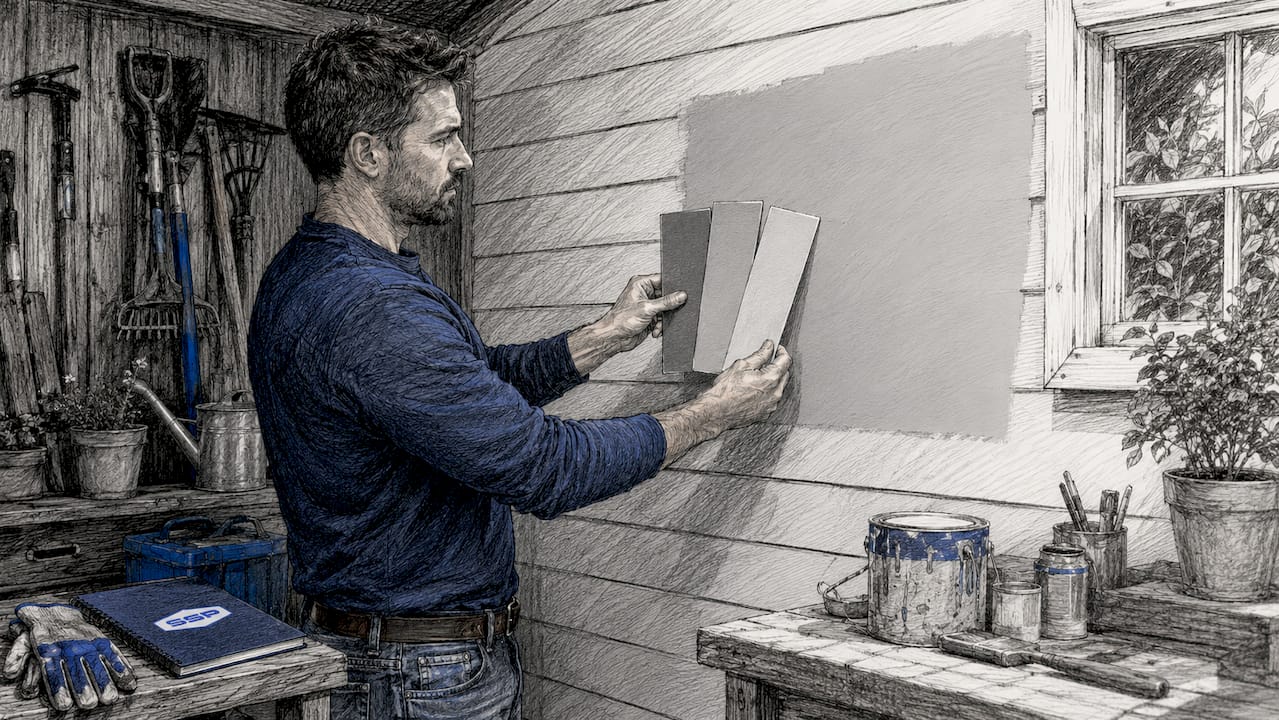
Pro Tip: Never select a paint color from a chip alone. Paint a 12-by-12-inch swatch directly on the exterior wall and observe it at different times of day, from morning light to late afternoon. Colors shift dramatically between direct sun and shade.
How does paint choice affect energy efficiency?
Paint color and coating technology have a measurable effect on a home's heating and cooling loads. Cool-reflective paints reduce cooling loads by 3–10%, and thermal coatings can cut heating loads by 7–50% depending on the climate. Those are not trivial numbers for homeowners in hot or cold climates with high utility bills.
The mechanism is straightforward. Darker colors absorb more solar radiation, which transfers heat into the wall assembly and raises interior temperatures. Lighter colors reflect that radiation back. The practical implication is that color choice is an energy management decision, not just an aesthetic one.
| Paint type | Primary benefit | Best climate |
|---|---|---|
| Cool-reflective light colors | Reduces solar heat gain | Hot, sunny climates |
| Thermal barrier coatings | Reduces heat transfer through walls | Cold or mixed climates |
| Infrared-reflective dark colors | Reflects heat while maintaining dark appearance | Mixed climates |
Infrared-reflective pigments allow dark colors to reflect heat effectively, which expands design options considerably. Homeowners no longer have to choose between a dark, dramatic exterior and energy efficiency. Modern paint technology makes both possible at the same time.
What are the best practical tips for painting to boost curb appeal?
Execution matters as much as color selection. A beautiful color applied over poor preparation will fail within a few years, wasting both money and effort. The following steps define a paint project that actually delivers lasting curb appeal.
-
Invest in high-quality exterior paint. Premium paints contain more pigment, better binders, and UV inhibitors that hold color longer. The cost difference between a budget and a premium product is small compared to the labor cost of repainting two years early.
-
Allocate 1–2% of your home's value for pre-sale exterior improvements, with paint as the first line item. This budget covers proper prep, primer, and two finish coats on most homes.
-
Test colors on site before committing. Professional swatching in varied ambient conditions reveals the true appearance of a color and prevents costly mistakes. Paint a large swatch and live with it for two to three days.
-
Coordinate with your architectural style. A Victorian home and a mid-century ranch call for very different palettes. Matching color to architecture makes the home look intentional rather than repainted.
-
Plan for maintenance. Inspect painted surfaces annually for cracking, peeling, or chalking. Catching small failures early and touching them up extends the full paint job's life by years.
Pro Tip: When repainting your home's exterior, do not skip the primer on bare wood or repaired areas. Primer seals the surface, improves adhesion, and prevents tannin bleed-through on cedar and redwood. Skipping it is the most common reason paint fails prematurely.
Key Takeaways
Exterior painting is the highest-ROI home improvement available, delivering a 51–60% return while protecting structure, improving energy efficiency, and directly raising appraised value.
| Point | Details |
|---|---|
| Direct value impact | Fresh exterior paint increases home value by 2–5% and yields ROI of 51–60%. |
| Protective function | Quality paint blocks moisture, UV damage, and pests, reducing long-term repair costs. |
| Color strategy matters | Warm neutrals and biophilic hues in 2026 maximize buyer appeal and resale potential. |
| Energy efficiency | Cool-reflective and thermal coatings reduce heating and cooling loads measurably. |
| Maintenance is the multiplier | Annual inspection and timely touch-ups extend a paint job's life and preserve curb appeal. |
Why roof coordination is the most overlooked part of any exterior paint project
After working on hundreds of exterior projects, the single mistake I see most often is homeowners choosing a beautiful body color without ever holding it up against their roof. The roof covers a massive portion of the visible exterior. Its undertones, whether warm brown, cool charcoal, or greenish slate, set the baseline for every color decision below it. A gray body color that looks sophisticated in isolation can look cold and disconnected against a warm brown shingle roof.
The second thing I have learned is that paint is not a cosmetic decision. It is a maintenance decision with aesthetic consequences. Homeowners who treat it as decoration tend to delay it until the surface is already failing. At that point, the prep work required doubles the cost. Homeowners who treat it as a scheduled maintenance layer, like servicing an HVAC system, spend less over time and always have a home that shows well.
The third insight is about color psychology and resale. Your personal taste is valid, but the market has preferences. Buyers respond to homes that feel calm, well-maintained, and move-in ready. A bold color choice that you love may cost you in days on market and final sale price. The compromise is to express personality through the front door and trim while keeping the body color broadly appealing. That balance works every time.
— Ryan
Southshorepaint: professional exterior painting done right
Exterior painting delivers real results only when the prep work, materials, and application meet a professional standard. Southshorepaint specializes in high-quality exterior finishes built on proper surface preparation, premium paint products, and workmanship designed to last through years of weather and wear.
Whether you are preparing a home for sale or protecting a long-term investment, Southshorepaint brings the expertise to get the color right and the finish to last. Explore exterior color ideas and connect with the Southshorepaint team to plan a project that adds real, lasting value to your home.
FAQ
How much value does exterior painting add to a home?
Exterior painting increases home value by 2–5% and delivers an ROI of 51–60%, making it one of the most cost-effective pre-sale improvements available.
What exterior paint colors work best for resale value?
Warm neutrals and biophilic hues like soft blues and greens are the top-performing colors for resale in 2026. Bold primary colors and cold grays tend to narrow buyer appeal.
How often should exterior paint be refreshed?
Most exterior paint jobs last 7–10 years with proper preparation and quality materials. Annual inspections help catch early failures before they require a full repaint.
Does paint color affect energy bills?
Cool-reflective paints reduce cooling loads by 3–10%, and thermal coatings can cut heating loads by 7–50% depending on climate. Color and coating type are both factors in a home's energy performance.
Why does paint condition matter to appraisers?
Appraisers use exterior paint condition as a direct indicator of overall property maintenance. Poor paint condition lowers condition ratings and can reduce the appraised value through negative comparative market adjustments.