
Exterior painting is one of those home improvement projects that looks simple from the curb but involves far more than rolling color onto wood. What is exterior painting, exactly? It's a multi-step protective system that shields your home from moisture, decay, UV damage, and pest infiltration while also transforming how your property looks. Most homeowners underestimate what the process actually involves, and that gap in understanding leads to poor results, premature paint failure, and unnecessary expense. This guide walks you through everything you need to know — from workflow and technique to cost and color selection.
Table of Contents
- Key takeaways
- What exterior painting actually involves
- Exterior painting cost: what drives the price
- The real benefits of exterior painting
- Choosing the right paint type and colors
- How to prepare and paint exterior walls
- My honest take on exterior painting
- Work with a team that does it right the first time
- FAQ
Key takeaways
| Point | Details |
|---|---|
| Exterior painting is protective | A quality paint job shields siding and trim from moisture, weather, and decay for 7 to 12 years. |
| Prep work drives durability | Proper cleaning, scraping, caulking, and priming account for most of the labor cost and nearly all of the result. |
| Costs vary by scope and quality | Most average-sized homes run between $3,000 and $8,000 depending on size, stories, surface condition, and paint grade. |
| Paint type matters by surface | Acrylic latex, elastomeric, and oil-based paints each suit different substrates and climates. |
| Professional prep pays off | Skipping surface preparation causes premature peeling and blistering, costing more to fix than it saved. |
What exterior painting actually involves
Exterior house painting is not just the act of applying color. It is a complete protective coating system applied to a home's outer surfaces: siding, trim, fascia, soffits, doors, and window frames. The multi-step process covers pressure washing, scraping, surface repairs, caulking, priming, and two finish coats. Every step exists for a reason, and skipping any one of them shortens the life of the entire job.
Here is how a professional exterior painting workflow typically unfolds:
- Pressure washing. The entire exterior gets washed at 1,500 to 2,000 PSI to remove dirt, mildew, chalking, and loose paint. Surfaces must dry completely, usually 24 to 48 hours, before any coating is applied.
- Scraping and sanding. Any peeling, flaking, or bubbling paint is removed manually or with heat tools. Sanding smooths the edges of scraped areas so the new paint has a clean surface to bond with.
- Caulking and repairs. Gaps around windows, doors, and trim are sealed with exterior-grade caulk to prevent moisture intrusion. Rotted wood is replaced or patched before painting begins.
- Targeted priming. Most professionals prime only bare wood, repaired areas, or heavily chalked surfaces rather than the entire house. This builds adhesion where it is actually needed without over-layering sound existing paint.
- Two finish coats. The paint is applied in two coats, working with a wet edge technique to prevent lap marks and achieve even coverage across the siding.
One key distinction homeowners should understand is that exterior paint is chemically different from interior paint. Exterior formulations contain higher levels of UV-resistant pigments, mildewcides, and binders that can flex with temperature changes. Interior paint cannot withstand outdoor exposure and will fail quickly if misapplied outside.
Pro Tip: Never paint in direct midday sun. Heat causes paint to dry too fast, leading to brush marks and poor adhesion. Early morning or late afternoon application in mild weather gives you the best working time and the most durable result.
Exterior painting cost: what drives the price
Understanding exterior painting cost requires knowing what you are actually paying for. The paint itself is often the smallest line item. Labor accounts for 70 to 85% of the total project cost, with the majority of that time going into preparation rather than applying finish coats.
Here is a breakdown of what drives the final number:
- Home size and surface area. Cost per square foot typically runs $1 to $5, and larger homes naturally require more time and materials.
- Number of stories. Two and three-story homes require ladders, scaffolding, or lift equipment, adding to labor time and safety considerations.
- Surface material. Smooth fiber cement and vinyl are faster to prep and paint than rough stucco, brick, or wood with deep grain. More texture means more material and more application time.
- Surface condition. A house with extensive peeling, rot repairs, or failing caulk requires significantly more prep work, which increases labor hours and cost.
- Paint quality. Budget acrylic latex starts low while premium exterior paints run up to $85 per gallon, with top-tier options offering up to 15 years of service life before the next paint cycle.
For most average-sized homes, the total project range sits between $3,000 and $8,000. That figure can rise for large custom homes with complex architecture or fall for smaller, well-maintained properties needing minimal prep.
| Paint type | Approximate cost per gallon | Expected lifespan |
|---|---|---|
| Budget acrylic latex | $25 to $45 | 5 to 7 years |
| Mid-grade acrylic latex | $45 to $65 | 7 to 10 years |
| Premium acrylic latex | $65 to $85 | 10 to 15 years |
| Elastomeric | $50 to $100 | 10 to 20 years |
| Oil-based alkyd | $40 to $70 | 5 to 10 years |
The most reliable way to avoid unexpected costs is thorough prep. A paint job applied over poor surfaces will fail within a few years regardless of paint quality, and re-painting a house prematurely always costs more than doing the prep correctly the first time.
The real benefits of exterior painting
Many homeowners think about exterior painting primarily as a cosmetic update. The actual benefits of exterior painting run much deeper than appearance, and understanding them changes how you evaluate the investment.
A quality paint job lasts 7 to 12 years and provides continuous protection across all four of these areas:
- Weather resistance. Paint creates a barrier against rain, wind, snow, and sun. Without it, wood siding absorbs moisture, swells, warps, and eventually rots.
- Pest deterrence. Sealed, painted surfaces give insects and woodpeckers fewer points of entry compared to bare or cracking wood.
- UV protection. Quality exterior paints reflect UV radiation, slowing the oxidation that breaks down siding material over time.
- Mold and mildew control. Modern exterior formulations contain mildewcides that resist biological growth, especially in humid climates.
Beyond protection, a fresh exterior paint job has a real impact on property value. Real estate professionals consistently cite curb appeal as one of the top factors in buyer first impressions, and a well-executed paint job signals that a home has been maintained.
Regular exterior painting is not a luxury maintenance item. It is the least expensive way to protect what is likely your largest financial asset.
There is also a psychological benefit that is easy to overlook. Homeowners who refresh their exterior consistently report increased satisfaction with their property. A house that looks cared for tends to feel cared for, and that shift in perception has measurable effects on how residents use and maintain their home over time.
Choosing the right paint type and colors
Selecting the best paint for exterior surfaces means matching the product to both the substrate and the local climate. Not every paint type performs equally across all conditions.
- Acrylic latex is the most widely used exterior paint for a reason. It dries quickly, cleans up with water, breathes well to allow moisture to escape from the substrate, and holds color reliably. It works on wood, fiber cement, vinyl, and most modern siding materials.
- Elastomeric paint is a thicker, rubberized coating designed for masonry, stucco, and concrete block. It bridges hairline cracks and flexes with the substrate through temperature cycles, making it excellent for older homes with surface checking.
- Oil-based alkyd was the industry standard for decades and still has loyal followers for trim work. It levels beautifully and produces a harder finish, though it takes longer to dry and requires solvent cleanup.
- Stains and semi-transparent finishes work well on natural wood surfaces where homeowners want to preserve the grain texture while still adding UV and moisture protection.
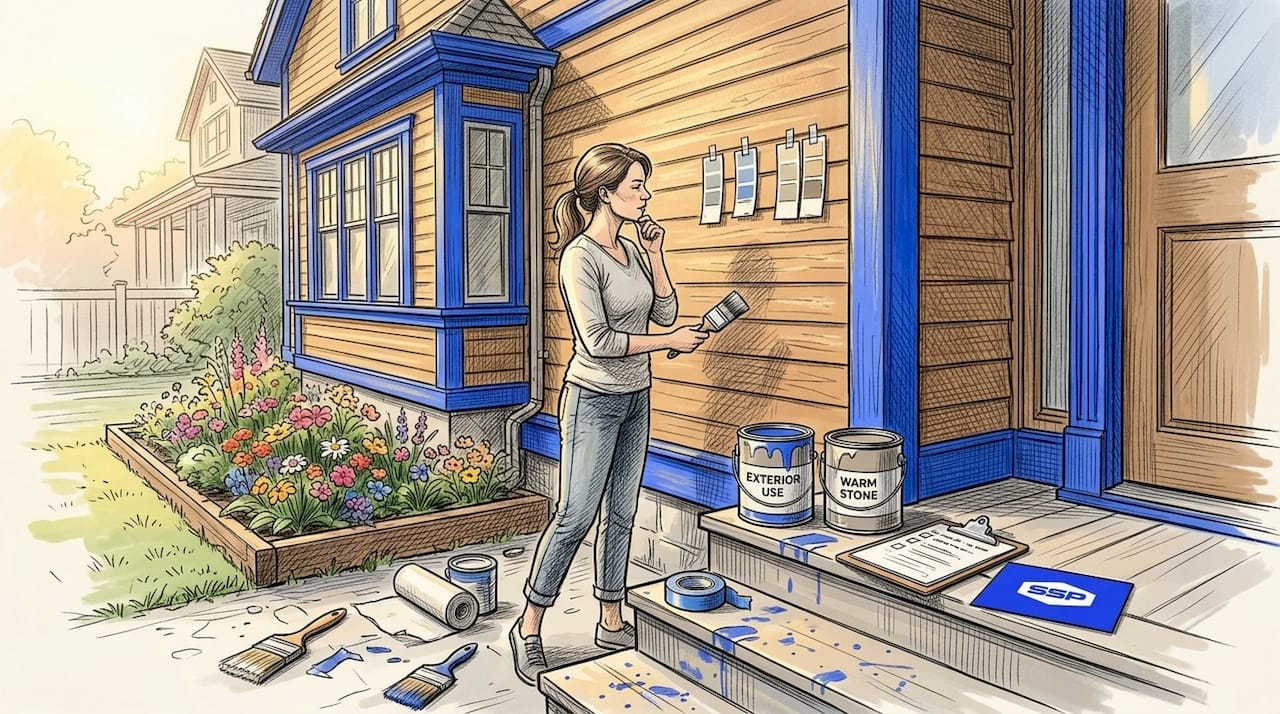
Pro Tip: For color selection, timeless neutral palettes with well-chosen accent colors on trim and doors consistently outperform trend-driven choices for long-term curb appeal. A warm white or soft gray body with a contrasting charcoal or deep navy trim is both classic and current.
Understanding premium paint benefits is worth your time before finalizing a product selection. The gap in performance between a budget can and a premium formulation is wider than most homeowners expect, particularly in climates with temperature extremes or high UV exposure.
How to prepare and paint exterior walls
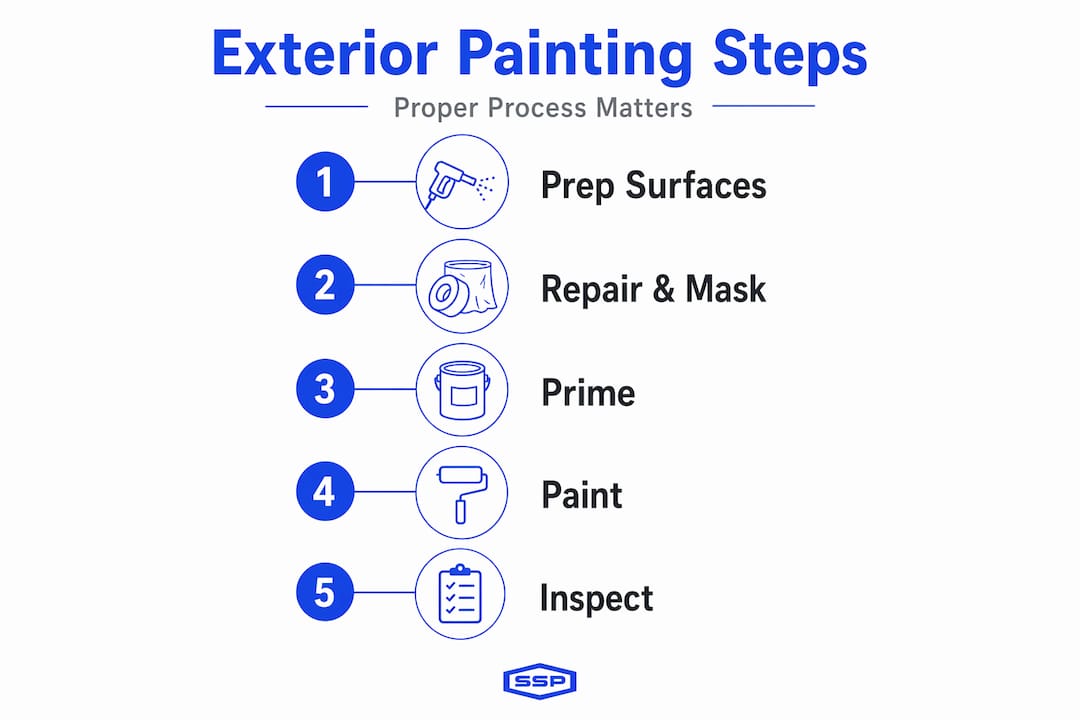
Good results on exterior house painting come from the preparation, not the application. The painting itself is the final 20% of the effort. Here is how to approach the project correctly from start to finish:
- Clean the surface thoroughly. Pressure wash all surfaces and allow a full 24 to 48 hours of drying time. Any residual moisture trapped under paint will cause blistering almost immediately.
- Scrape and sand aggressively. Do not feather around peeling areas. Remove all loose paint back to a firm edge, then sand smooth. Skipping this step is the single most common cause of premature failure.
- Repair before you prime. Fill cracks, replace rotted sections, and re-caulk all gaps before any primer touches the surface. Primer applied over damaged material does not fix the damage.
- Prime strategically. Apply primer to bare wood, repairs, and any areas with significant chalking. Targeted priming improves adhesion and prevents peeling while saving material and time compared to priming the entire house unnecessarily.
- Apply finish coats with a wet edge. Work in manageable sections, keeping a wet edge at all times to prevent visible lap marks. Two full coats are required for adequate film build and long-term durability.
Weather conditions play a larger role than most homeowners realize. Optimal application temperature sits between 68°F and 86°F, with humidity above 50%. Painting in direct heat, or on days with incoming rain, compromises adhesion and curing in ways that are often not visible until months later.
For large homes, multi-story properties, or surfaces with extensive damage, hiring a professional is the more cost-effective choice. The time, equipment, and expertise required to do the prep correctly are not trivial.
My honest take on exterior painting
I have seen enough failed paint jobs to know that the gap between a five-year repaint and a twelve-year repaint comes down almost entirely to what happened before the first drop of finish coat went on. Homeowners often focus on the color, the sheen, the brand. Those choices matter. But the house that was properly cleaned, scraped down to firm paint edges, caulked at every gap, and primed on bare surfaces will outlast the one that got a quick wash and two coats by years.
The second thing I have learned is that cheap paint is expensive in the long run. The investment in premium materials and proper prep labor genuinely reduces the total cost of ownership over time because you are not repainting every five years. A homeowner who spends more upfront and maintains the job with periodic touch-ups will spend less over a decade than one who chases the lowest bid repeatedly.
Climate is the variable most people underestimate. A paint system that performs beautifully in a mild coastal climate may chalk and fade prematurely in a high-UV desert environment. Matching the product to your specific conditions is not overthinking it. It is just good planning.
— Ryan
Work with a team that does it right the first time
If you are weighing whether to hire professionals or attempt this project yourself, the scope of proper surface preparation is usually the deciding factor.

At Southshorepaint, we build every exterior project on the same foundation: thorough prep, premium materials, and workmanship designed to last. We do not skip the scraping, rush the drying time, or cut corners on primer. Our process exists because we have seen what happens when those steps are skipped. If you are ready to get an accurate estimate for your home's exterior painting project, or if you just want guidance on what your house actually needs, reach out to the Southshorepaint team. We are straightforward about scope, materials, and pricing because we believe informed homeowners make better clients and end up with better results.
FAQ
What does exterior painting include?
Exterior painting covers the full process of cleaning, repairing, priming, and applying finish coats to a home's outer surfaces, including siding, trim, fascia, soffits, and doors. It is a complete protective coating system, not just a color application.
How much does exterior house painting cost?
Most average-sized homes cost between $3,000 and $8,000 depending on size, surface condition, number of stories, and paint quality. Labor typically accounts for 70 to 85% of the total, with prep work representing most of that labor time.
How long does exterior paint last?
A quality exterior paint job lasts 7 to 12 years when applied correctly over properly prepared surfaces. Premium paint formulations with UV protection and mildewcides extend that range closer to 15 years in favorable climates.
What is the best paint for exterior walls?
Acrylic latex is the most widely recommended exterior paint for wood and fiber cement siding due to its flexibility, breathability, and color retention. Elastomeric coatings are preferred for masonry and stucco surfaces with hairline cracking.
Should I paint my house exterior myself or hire a pro?
DIY is feasible on single-story homes with surfaces in good condition and straightforward architecture. Multi-story homes, extensive peeling, or damaged substrates benefit significantly from professional handling, where proper prep equipment and experience reduce the risk of premature failure.