
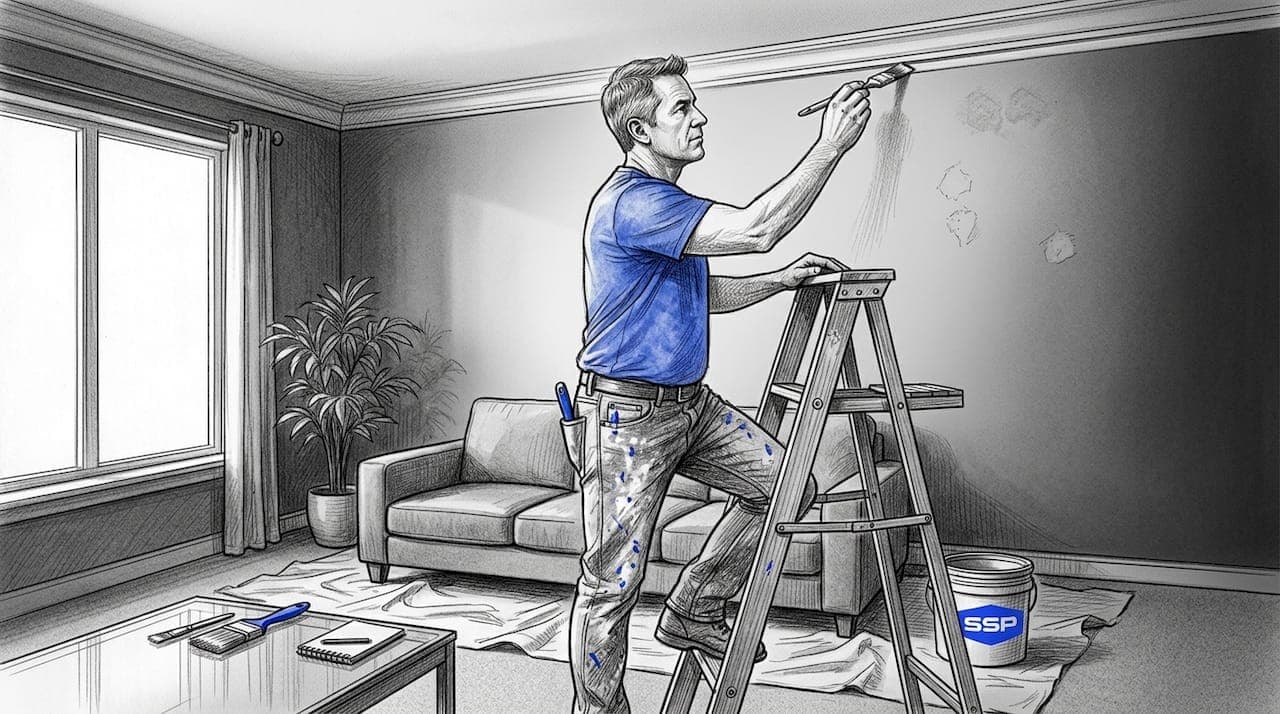
Walk through any neighborhood and you'll notice that a fresh coat of paint is the single most visible indicator of how well a home has been maintained. But what is residential painting, exactly, and why does it require a different approach than the painting you see on commercial buildings? Many homeowners assume painting is painting. In reality, residential painting services involve a specific set of skills, materials, regulations, and techniques that are distinct from commercial work. This guide breaks down everything you need to know before picking up a brush or calling a contractor.
Table of Contents
- Key takeaways
- What residential painting actually covers
- Residential vs. commercial painting: key differences
- Critical factors for a successful residential paint job
- Benefits of hiring professional residential painters
- Planning your residential painting project
- My take on what homeowners consistently get wrong
- Ready to work with a team that does it right?
- FAQ
Key takeaways
| Point | Details |
|---|---|
| Residential painting is specialized | It covers interior and exterior surfaces in homes, with techniques and materials selected for living environments. |
| Prep work determines longevity | Proper surface preparation is the single biggest factor in how long a paint job lasts. |
| Lead safety rules apply | Homes built before 1978 require EPA-certified contractors for any painted surface disturbance. |
| Professional painters add real value | They bring tools, compliance knowledge, and skills that reduce long-term cost and risk. |
| Cost and quality are connected | Cheap paint jobs almost always cost more to fix than quality work costs upfront. |
What residential painting actually covers
Residential painting is the application of paint, primer, and related coatings to surfaces in and around private homes. That includes single-family houses, condominiums, townhomes, and rental properties. The scope is broader than most people expect.
On the interior side, a typical residential painting project might include:
- Walls and ceilings in living rooms, bedrooms, kitchens, and bathrooms
- Trim, baseboards, crown molding, and window casings
- Doors and door frames
- Cabinets and built-in shelving
- Stairwell railings and balusters
Exterior residential painting services cover siding, fascia boards, decks, fences, garage doors, and any exposed trim. Each of these surfaces demands a different product, a different application method, and a different level of preparation before paint ever touches the surface.
One thing that separates residential work from commercial painting is the attention to detail and the variety of surfaces handled in a single project. A residential painter may shift between spraying cabinet interiors, hand-brushing trim, and rolling walls all in the same week. That flexibility is built into the trade.
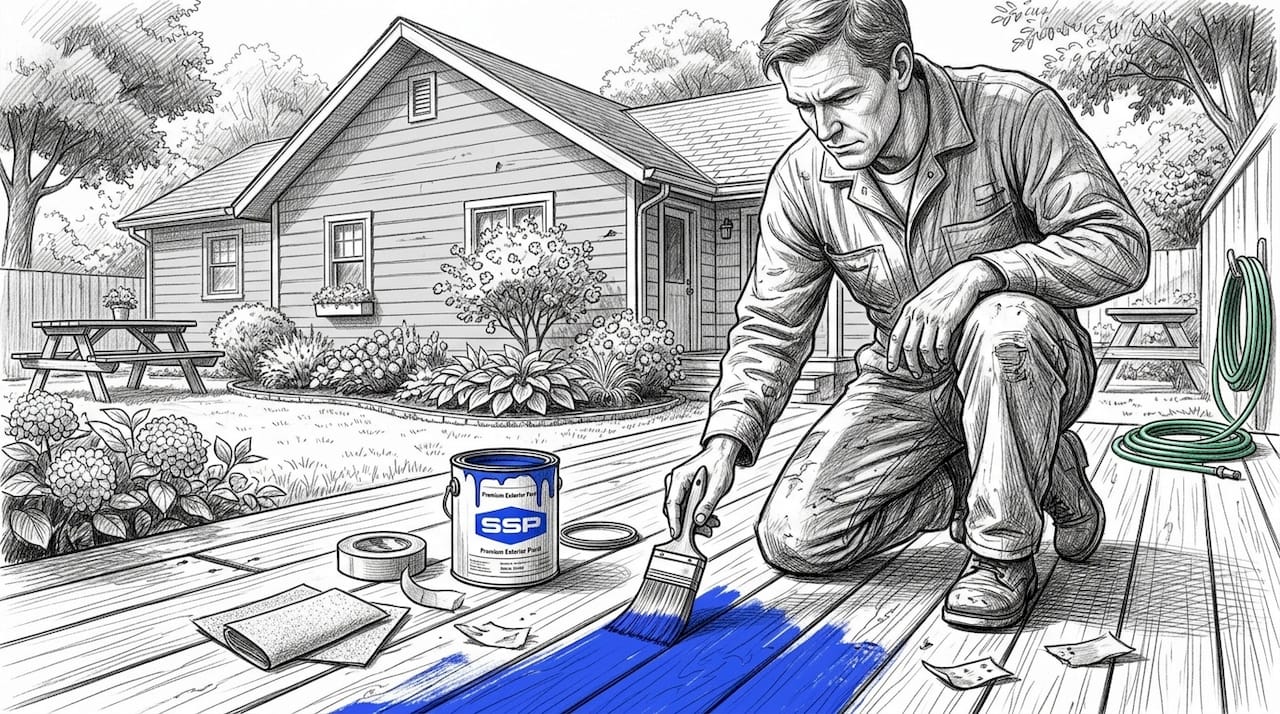
Pro Tip: Surface preparation is not optional. Proper prep is the single most important factor determining how long and how well a paint job holds up. Skipping it is how you end up repainting in two years instead of ten.
The materials used in residential painting also differ from commercial settings. Homeowners typically want low-VOC or zero-VOC paints in living spaces for air quality reasons. Exterior work requires products rated for weather exposure, UV resistance, and substrate flexibility. Using the wrong paint on the wrong surface is one of the leading causes of paint failure in residential projects.
Residential vs. commercial painting: key differences
Understanding what is commercial vs. residential painting helps clarify why residential work is its own specialty, not just a scaled-down version of commercial painting.
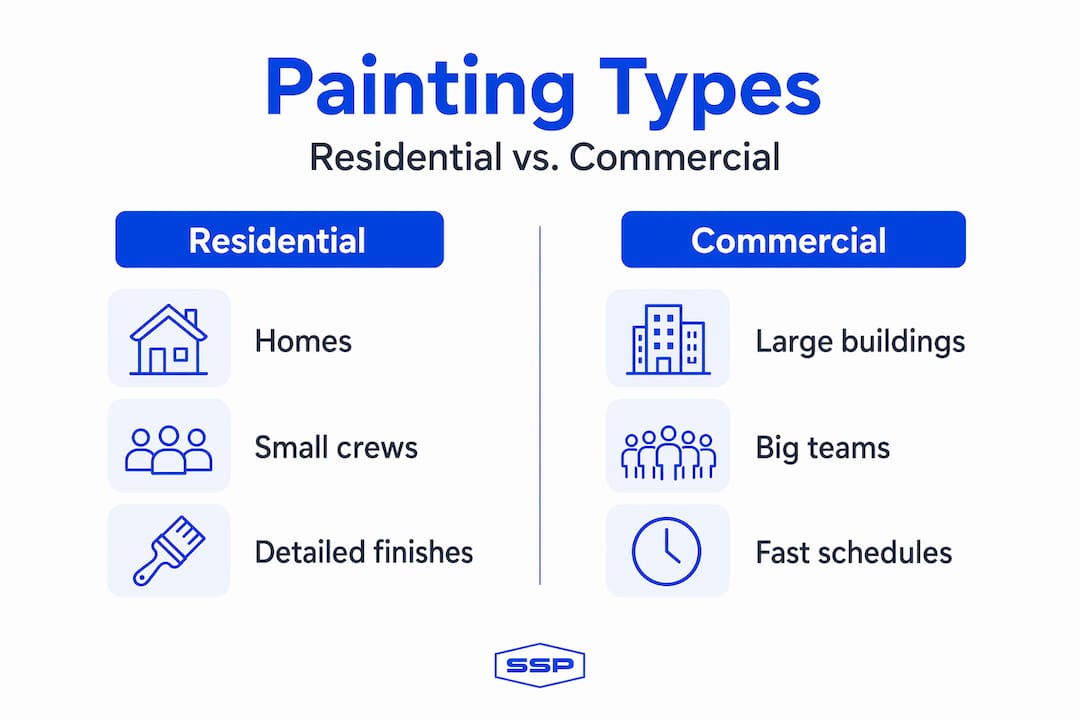
The most obvious difference is project scale. Commercial painting involves large crews working on office buildings, retail spaces, warehouses, or multi-unit residential complexes. Residential painters often work alone or in small teams, with a focus on home aesthetics and minimal disruption to the people living there. That human element changes everything, from scheduling to material selection to how work zones are managed.
Here is a direct comparison:
| Factor | Residential painting | Commercial painting |
|---|---|---|
| Project scale | Single home or unit | Large buildings, campuses |
| Team size | 1 to 4 painters | Larger specialized crews |
| Primary focus | Aesthetics, livability | Durability, throughput |
| Client interaction | Direct with homeowner | General contractors, managers |
| Regulatory complexity | Lead safety, VOC limits | OSHA standards, fire ratings |
| Equipment used | Rollers, brushes, small sprayers | Airless sprayers, lifts, scaffolding |
| Typical timeline | Days to a few weeks | Weeks to months |
What is commercial repainting? It typically refers to scheduled maintenance cycles on large commercial properties, often driven by facility management budgets rather than aesthetic preference. The priorities shift toward speed, coverage, and industrial durability.
The regulatory environment also differs meaningfully. Residential painting in older homes triggers the EPA's Renovation, Repair, and Painting (RRP) Rule when painted surfaces are disturbed above certain thresholds: 6 square feet indoors or 20 square feet outdoors in pre-1978 homes. Commercial painters deal with different occupational safety standards. Knowing which rules apply to your project is not something to guess about.
Critical factors for a successful residential paint job
Planning a residential painting project involves more than choosing a color. Several factors directly determine whether the results last or fail prematurely.
-
Test for lead before disturbing old paint. The EPA RRP Rule requires certified renovators for work in pre-1978 homes above regulatory thresholds. Lead-safe work practices are distinct from full lead abatement and require a different contractor certification. Using the wrong type of firm can create both safety and legal problems.
-
Check moisture levels before exterior painting. Painting over damp wood surfaces can cause peeling and bubbling within months. Wood should have a moisture content between 12 and 15 percent before primer or paint is applied. Professionals use moisture meters to verify this before starting.
-
Prime every surface correctly. Different substrates require different primers. Bare drywall, raw wood, and previously painted masonry each have specific needs. Skipping primer or using a universal product on the wrong surface shortens the lifespan of the topcoat significantly.
-
Follow the proper sequence. Interior residential painting follows a standard order: ceilings first, then walls, then trim. On exteriors, work top to bottom to prevent lap marks and drips on finished surfaces.
-
Allow adequate dry time between coats. Rushing this step is one of the most common DIY mistakes. Most paints need at least two to four hours between coats under ideal temperature and humidity conditions, and longer in cooler or humid weather.
Pro Tip: South-facing exterior walls receive more UV exposure and tend to fade faster than other sides of the house. When budgeting for exterior paint maintenance, plan to touch up or repaint those walls sooner than north-facing surfaces.
A quality exterior paint job on properly prepared surfaces can last 7 to 12 years depending on exposure, climate, and the paint products used. That lifespan drops sharply when prep steps are skipped or low-grade materials are used.
Benefits of hiring professional residential painters
The decision to hire a professional versus taking on the work yourself is worth thinking through carefully. DIY painting can be satisfying for small, low-stakes projects. For anything involving multiple rooms, exterior surfaces, older homes, or tight timelines, the math usually favors professionals.
Here is what professional residential painting services provide that most DIYers cannot replicate:
- Surface preparation expertise. Professionals know how to identify substrate problems, test for moisture, repair cracks and holes properly, and apply the right primer for each surface type.
- Lead-safe compliance. Contractors certified under the EPA RRP program have the training and equipment to handle lead-containing paint without exposing your family to hazardous dust. Specialized techniques like encapsulation are used in historic homes where surface removal is not feasible.
- Proper tools and equipment. Professional-grade sprayers, scaffolding, and extension systems produce a finish quality that brushes and rollers from a hardware store typically cannot match at height or scale.
- Efficiency. A two-person professional crew can complete in two days what might take a homeowner two weekends, with better results and less disruption to daily life.
- Warranty and accountability. Reputable painters stand behind their work. If something fails within the warranty period, they return to fix it. That accountability has real monetary value.
Painting your home's exterior is one of the highest-ROI home improvement projects, potentially returning 60 to 107 percent of the paint job cost at resale. That return depends heavily on the quality of the work. A poor paint job can actually hurt curb appeal and raise red flags for buyers.
Professional painters also bring knowledge of product selection that most homeowners lack. Knowing which exterior paint performs in a coastal climate, which interior finish is appropriate for high-humidity bathrooms, and which primers bond correctly to previously painted cabinets comes from years of applied experience, not a weekend research session.
Planning your residential painting project
Once you understand what residential painting involves, the next step is putting that knowledge to work before, during, and after the project.
When choosing a contractor, look for these markers of reliability:
- Valid state contractor's license and general liability insurance
- EPA RRP certification if your home was built before 1978
- Written estimates that itemize labor, materials, and prep work separately
- References from recent residential projects you can contact
- A clear process for handling surface repairs and priming before painting
Understanding cost factors for painting helps you evaluate bids accurately. Price differences between contractors often come down to prep time, paint quality, and the number of coats included. A bid that skips a line item for primer or surface repair is a warning sign.
Prepare your home by clearing furniture away from walls, covering floors, removing outlet covers and light fixtures, and communicating any specific concerns to the crew before work starts. If you have children or pets, coordinate their schedule around painting days to minimize disruption and exposure to fumes.
After the job is complete, do a walkthrough with the contractor in good lighting. Look for missed spots, uneven coverage, visible brush marks on trim, and clean lines at edges. A professional crew should welcome this review, not rush you through it. To avoid hiring bad painters, know what a finished job should look like before you sign off.
To prolong the life of your paint finish, clean walls with a mild detergent and soft cloth rather than abrasive products. On exteriors, keep gutters clear so water does not run down and saturate painted wood, and touch up any chips or cracks as soon as you notice them to prevent moisture from getting underneath the film.
My take on what homeowners consistently get wrong
I've seen hundreds of residential painting projects over the years, and the same mistakes come up repeatedly. Homeowners underestimate the complexity of the work, especially in older homes. They focus on color selection and price, but they do not ask the right questions about preparation, materials, or lead safety compliance.
The most expensive paint jobs I've seen were not the ones with premium labor rates. They were the ones that had to be redone within three years because the prep was wrong from the start. A crew that charges less but skips the primer, paints over moisture, or fails to address deteriorating wood is going to cost you more than the price difference in the long run.
What I've learned is that the quality of a paint job is almost entirely determined before the first coat of paint goes on. The prep work is where the real skill lives. Anyone can roll paint onto a wall. Very few people do the substrate work correctly every single time.
If your home was built before 1978, do not let anyone touch your painted surfaces without asking directly whether they are EPA RRP certified. That is not a technicality. It is a health and legal protection for your family, and it matters every time.
— Ryan
Ready to work with a team that does it right?
Southshorepaint is a professional residential and commercial painting company built on the belief that quality work starts with proper preparation, not just a fresh coat of color.

Whether you need interior rooms refreshed, exterior siding repainted, or cabinet refinishing done correctly, the Southshorepaint team approaches every project with the prep, materials, and workmanship it takes to make results last. The company offers transparent estimates, lead-safe certified practices for older homes, and a commitment to work that holds up for years. Visit Southshorepaint to request a consultation and see what professional residential painting services look like when they are done properly.
FAQ
What is residential painting?
Residential painting refers to the application of paint and coatings to surfaces in private homes, including interior walls, ceilings, trim, and exterior siding and decks. It is a specialized service that differs from commercial painting in scale, materials, and regulatory requirements.
How long does a residential paint job last?
A quality exterior paint job on properly prepared surfaces can last 7 to 12 years, depending on the climate, paint product, and how well the surface was prepared. Interior paint typically lasts longer when protected from high humidity and physical wear.
Do I need an EPA-certified painter for my home?
If your home was built before 1978, you need a contractor certified under the EPA RRP Rule for any work that disturbs painted surfaces above the regulatory thresholds of 6 square feet indoors or 20 square feet outdoors. Using an uncertified contractor in these cases creates both safety risks and legal liability.
What is the difference between residential and commercial painting?
Residential painting focuses on homes, with smaller crews, aesthetic priorities, and direct homeowner communication. Commercial painting involves larger crews, industrial-grade equipment, and projects like office buildings or retail spaces, where speed and coverage typically take priority over decorative finishes.
How do I choose the right paint for my home?
The right paint depends on the surface type, location, and conditions. Exterior surfaces need weather-resistant and UV-stable formulas, while bathrooms and kitchens benefit from moisture-resistant finishes. A professional painter can match the product to the specific substrate and exposure conditions of your home for best results.