
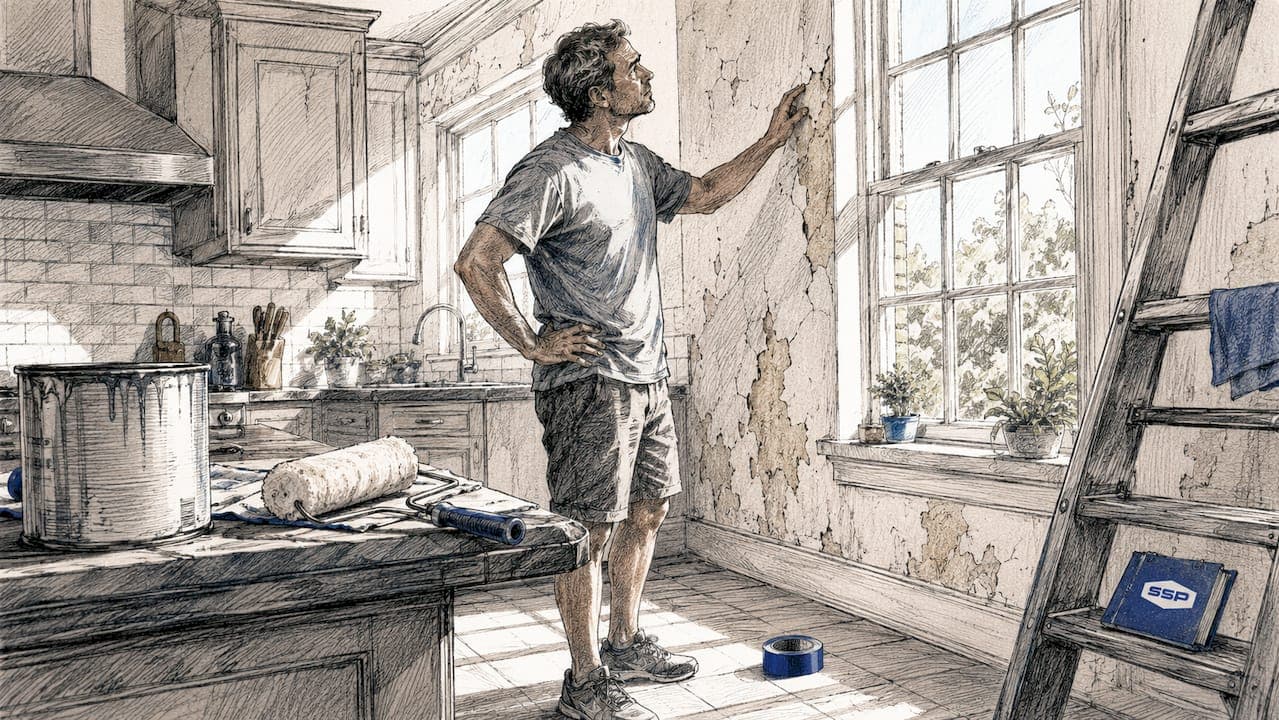
DIY painting is the practice of homeowners or renters repainting their own walls without professional help, and it consistently produces inferior finishes, hidden safety hazards, and long-term costs that outweigh the upfront savings. Rollers, brushes, primers, and painter's tape look simple in a hardware store aisle. The reality involves precise timing, surface preparation, ventilation requirements, and physical risks that most homeowners underestimate before the first coat goes on. Paint fumes from volatile organic compounds (VOCs) and lead paint in older homes add a health dimension that makes understanding why avoid DIY painting a genuinely important decision, not just a matter of preference.
Why avoid DIY painting: the most common mistakes
Skipping or rushing preparation is the single most damaging mistake in any DIY painting project. Sanding, patching holes, caulking gaps, and cleaning surfaces are not optional steps. They determine whether paint adheres properly and how long it lasts. Prep work consumes 30–50% of the total project time, yet most homeowners treat it as a quick wipe-down before opening the first can.
Timing errors cause a different category of failure. Primers require topcoating within two weeks, and each coat needs 12–24 hours of drying time before the next one goes on. Violating these windows causes cracking, peeling, and uneven sheen. These defects are not cosmetic annoyances. They signal that the paint film has failed structurally.
Choosing the wrong paint type compounds every other mistake. Flat paint in a bathroom traps moisture and grows mildew. Exterior paint used indoors off-gasses toxic compounds at unsafe levels. Cheap rollers leave texture marks and shed fibers into the wet surface. Each wrong choice adds rework time and material cost.
- Inadequate surface prep: Skipping sanding and patching causes poor adhesion and early peeling.
- Wrong primer or no primer: Bare drywall and repaired patches absorb paint unevenly without primer.
- Ignoring drying windows: Applying a second coat too soon traps moisture and causes bubbling.
- Poor masking: Tape applied to dusty or oily surfaces lifts and bleeds, leaving ragged edges.
- Cheap supplies: Low-cost brushes and rollers produce visible texture flaws in the finished surface.
Pro Tip: Apply painter's tape like 3M ScotchBlue to a clean, dry surface and remove it at a 45-degree angle while the paint is still slightly wet. Waiting until the paint is fully dry causes the tape to pull the finish with it.
How does DIY compare to hiring a professional painter?
The financial case for DIY painting looks straightforward until you account for time. DIY interior painting saves $1,500 to $4,500 on a typical 1,500–2,000 square foot home. That same project takes 40–80 hours of homeowner labor versus roughly five days for a professional crew. The savings are real, but the time cost is substantial.
Homeowners with full schedules often stretch a single-room project across multiple weekends, creating weeks of disruption. Furniture stays stacked in the center of rooms. Rooms become unusable. The lifestyle cost rarely appears in any DIY budget calculation.
The quality gap is where the long-term math shifts decisively. Improper preparation leads to peeling and repainting within 5–10 years, which erases the original savings and adds new material and labor costs. A professional job built on proper prep routinely lasts 10–15 years before it needs attention.
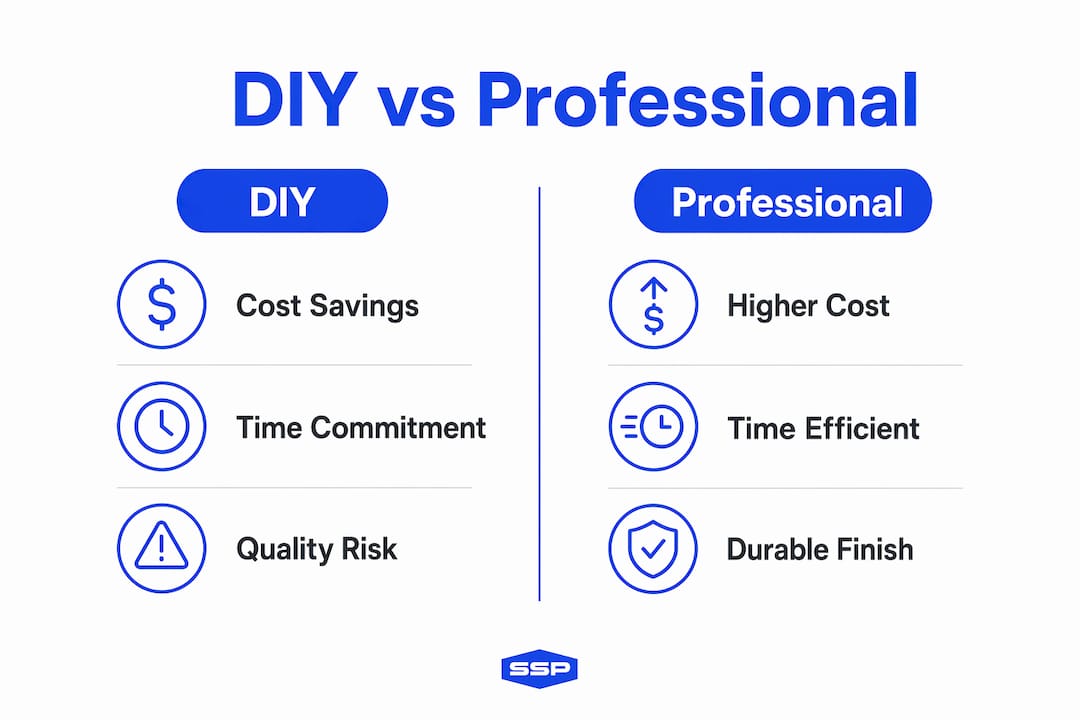
Homeowners who value their time at over $40 per hour generally find that hiring a professional is the more economical choice once opportunity cost enters the calculation. That threshold is lower than most people assume.
| Factor | DIY painting | Professional painting |
|---|---|---|
| Typical cost savings | $1,500–$4,500 saved upfront | Higher upfront cost |
| Time required | 40–80 hours of homeowner labor | ~5 days, minimal disruption |
| Prep quality | Often rushed or incomplete | Thorough: sanding, patching, priming |
| Finish durability | 5–10 years with poor prep | 10–15 years with proper prep |
| Hidden costs | Supplies, rework, time value | Included in professional estimate |
Pro Tip: Before committing to DIY, calculate your hourly rate and multiply it by 60 hours. If that number exceeds the professional quote, hiring out is the financially sound choice. Review painting cost factors before finalizing your budget.
What health and safety risks come with DIY painting?
Lead paint is the most serious and most overlooked danger in residential painting. Approximately 75% of U.S. homes built before 1978 contain lead-based paint. Sanding or scraping those surfaces without proper containment releases lead dust that is toxic when inhaled or ingested, particularly for children and pregnant women. The EPA's Lead Renovation, Repair and Painting (RRP) Rule requires certified contractors for work in pre-1978 homes. Most DIYers are unaware of this regulation and proceed without testing.
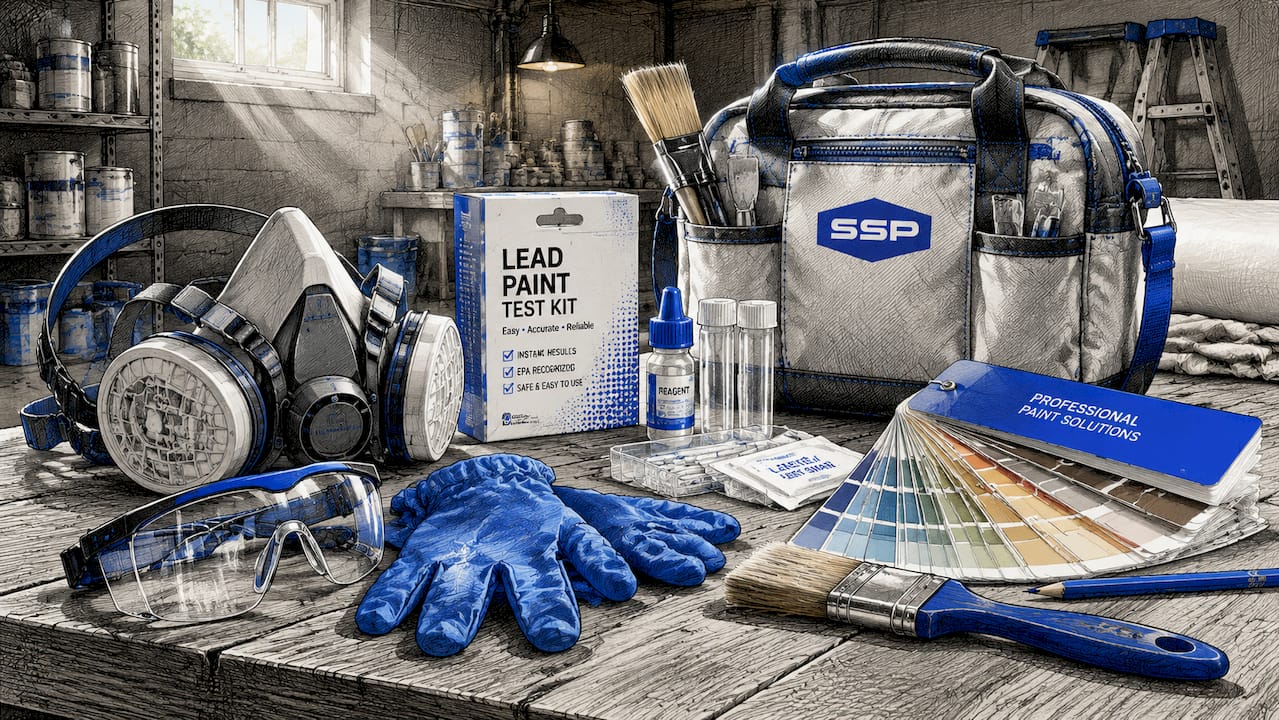
Paint fumes contain VOCs that cause headaches, dizziness, and long-term respiratory damage. Adequate ventilation means open windows, exhaust fans, and ideally a respirator rated for organic vapors, not just a dust mask. Most homeowners paint with windows cracked and no respiratory protection. The effects accumulate over a multi-day project.
Physical hazards add another layer of risk:
- Ladder falls: Interior painting on extension ladders without a spotter is a leading cause of home improvement injuries.
- Spills on flooring: Oil-based paints are slippery and difficult to remove from hardwood or tile without chemical solvents.
- Improper disposal: Latex and oil-based paints require specific disposal methods. Pouring them down a drain violates EPA regulations.
- Eye and skin exposure: Alkyd and oil-based primers cause chemical irritation without proper gloves and eye protection.
Older homes carry a compounding risk. Lead paint, asbestos in wall texture, and deteriorating plaster all require professional assessment before any surface work begins. Southshorepaint's approach to older home painting projects includes surface testing and containment protocols that protect both the home and the people in it.
Why expert preparation produces a more durable paint job
Painting is structural protection, not just a cosmetic upgrade. Proper preparation shields walls from moisture intrusion and temperature-driven expansion that cause cracking and delamination over time. A coat of paint applied over an unprepared surface is a temporary cover, not a protective barrier.
Professional painters wash surfaces with TSP (trisodium phosphate) or equivalent cleaners to remove grease and chalk. They sand glossy surfaces to create mechanical adhesion. They fill cracks with flexible spackle or elastomeric caulk that moves with the structure. Each step is deliberate and sequenced. Amateur painters frequently omit these steps or compress them to save time, which shortens the life of the paint job significantly.
Seasonal and weather factors also affect finish quality in ways most homeowners do not anticipate. Painting exterior surfaces in direct sunlight above 90°F causes the paint to dry too fast, leaving brush marks and reducing adhesion. Painting below 50°F prevents proper film formation. Professionals schedule work around temperature and humidity windows. DIYers typically paint when they have a free weekend, regardless of conditions.
Professional painters factor in long-term structural protection when selecting primers, topcoats, and application methods. That expertise compensates for the higher upfront cost over the life of the finish.
Pro Tip: Always apply a coat of primer specifically formulated for your substrate before topcoating. Drywall, wood, and masonry each require a different primer chemistry. Using the wrong one reduces adhesion and shortens the finish life regardless of how good the topcoat is.
What should homeowners consider before choosing DIY?
Total project time is almost always underestimated. A single bedroom takes most DIYers a full weekend when prep, priming, two topcoats, and cleanup are included. A full interior repaint of a 1,500 square foot home realistically requires 40–80 hours spread across multiple sessions. That timeline disrupts daily life in ways that are hard to predict before the project starts.
Homeowners should honestly assess the following before committing to a DIY painting project:
- Home age: If the home was built before 1978, test for lead before sanding or scraping any surface.
- Project scope: Single accent walls and small rooms are manageable DIY tasks. Full interiors, high ceilings, and exterior work require professional equipment and experience.
- Skill level: Cutting in clean lines at ceiling edges and trim requires practice. Visible mistakes on walls are difficult to correct without repainting entire sections.
- Resale and HOA considerations: Visible paint defects reduce appraised value. Some HOA agreements require professional work on exterior surfaces.
- Budget for supplies: Quality brushes, rollers, drop cloths, painter's tape, primer, and paint for a full interior easily reach $400–$700 before labor.
DIY painting makes sense for small, low-stakes projects where imperfect results are acceptable and the homeowner has time to do the prep correctly. For anything that affects resale value, involves older surfaces, or requires working at height, the advantages of hiring professional painters are difficult to offset with savings alone.
Key Takeaways
Avoiding DIY painting on significant projects protects your health, your home's structural integrity, and your long-term budget by ensuring proper preparation, safe material handling, and durable finishes that professionals consistently deliver.
| Point | Details |
|---|---|
| Prep is non-negotiable | Skipping sanding, patching, and priming causes peeling within 5–10 years. |
| Time cost is real | DIY interiors take 40–80 hours; professionals finish the same job in about 5 days. |
| Lead paint is a serious hazard | 75% of pre-1978 U.S. homes contain lead-based paint that requires certified handling. |
| VOC exposure accumulates | Paint fumes cause headaches and long-term respiratory damage without proper ventilation. |
| Professional prep lasts longer | Expert preparation shields walls from moisture and temperature damage for 10–15 years. |
What I've learned watching homeowners take on paint projects
I've seen a lot of DIY paint jobs up close, and the pattern is consistent. The homeowner buys good paint, picks a great color, and then spends 20 minutes on prep before opening the first can. The result looks fine for about a year. Then the edges start lifting, the patched spots telegraph through the finish, and the bathroom ceiling develops a watermark ring because the wrong sheen was used.
The part that surprises most homeowners is how much of professional painting is invisible. The prep work, the priming, the careful sequencing of coats, none of it shows in the finished product. What shows is the absence of problems. A wall that doesn't peel. A trim line that stays crisp for years. That's what you're paying for when you hire a professional, and it's genuinely hard to replicate without experience.
My honest advice for homeowners who want to DIY: do the small stuff. Paint a bathroom, refresh a bedroom, tackle an accent wall. But for full interiors, exterior work, or anything in a pre-1978 home, the risks of home painting without professional guidance outweigh the savings. The money you save on labor often goes back into fixing what went wrong, and then some.
— Ryan
Southshorepaint: professional results built on proper preparation
Southshorepaint specializes in residential and commercial painting that starts with thorough preparation and ends with finishes built to last. Every project includes proper surface assessment, premium primers, and application methods matched to the substrate and environment.

If you're weighing the risks of a DIY project against the cost of professional work, Southshorepaint offers detailed estimates that break down exactly what the job requires. Homeowners who want quality they won't have to redo in five years can request a professional estimate and see what a properly prepared paint job actually costs. For more guidance on choosing the right painting contractor, the how to choose house painters guide covers what to look for and what to avoid.
FAQ
Why avoid DIY painting on older homes?
Homes built before 1978 have a 75% chance of containing lead-based paint. Sanding or scraping those surfaces without certified containment procedures releases toxic lead dust that poses serious health risks.
How much time does a DIY interior paint job actually take?
A typical 1,500–2,000 square foot interior takes 40–80 hours of homeowner labor, including prep and cleanup. Professional crews complete the same scope in approximately five days.
What are the biggest dangers of DIY painting?
Lead paint exposure, VOC inhalation from paint fumes, and ladder falls are the three primary dangers. Each risk increases significantly without proper protective gear, ventilation, and surface testing.
Does DIY painting save money in the long run?
DIY saves $1,500–$4,500 upfront, but poor preparation causes repainting within 5–10 years. That cycle eliminates the original savings and adds new material and labor costs.
When does hiring a professional painter make financial sense?
Homeowners who value their time at more than $40 per hour generally find that hiring a professional is the more economical choice once opportunity cost and the risk of rework are included in the calculation.