
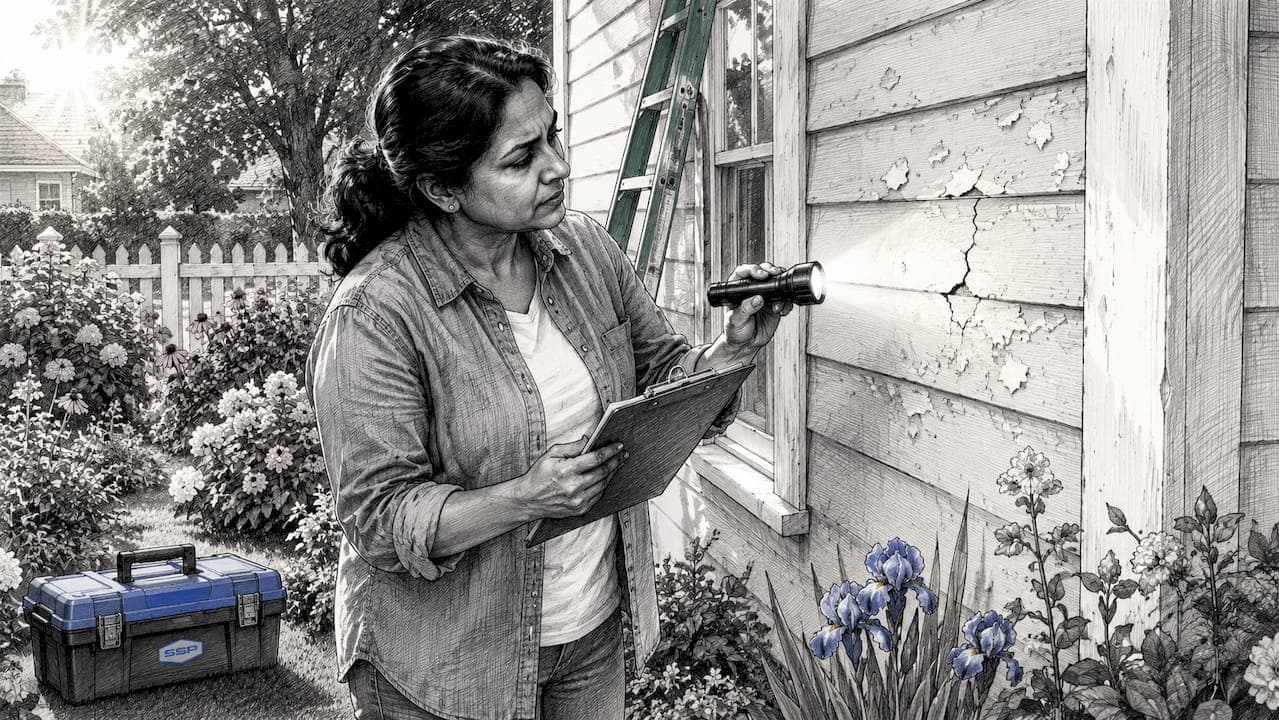
Annual paint inspection is defined as a systematic, condition-based review of all painted exterior and interior surfaces to detect early signs of failure before they become structural problems. Knowing why inspect paint yearly matters comes down to one fact: paint is your property's first line of defense against moisture, UV radiation, and temperature extremes. When that defense weakens, the damage rarely stays on the surface. Homeowners and property managers who schedule yearly paint checks consistently spend less on repairs, maintain higher property values, and keep their warranties intact. Southshorepaint works with clients across residential and commercial properties, and the pattern is clear: proactive inspection always costs less than reactive repair.
Why inspect paint yearly: the core case for annual checks
Annual paint inspections catch early failure indicators such as chalking, cracking, and peeling, which signal when intervention is necessary. A paint lifecycle extended by 30–50% is achievable with proper prep and maintenance driven by yearly inspections. That figure means a paint job rated for 10 years can realistically last 13–15 years when monitored and maintained correctly.
Paint does more than create curb appeal. It acts as a moisture barrier, a UV shield, and a substrate protector all at once. When any of those functions degrade, the building underneath absorbs the consequences. Rot, mold, and corrosion follow paint failure, often invisibly, until the repair bill is far larger than a simple repaint would have been.
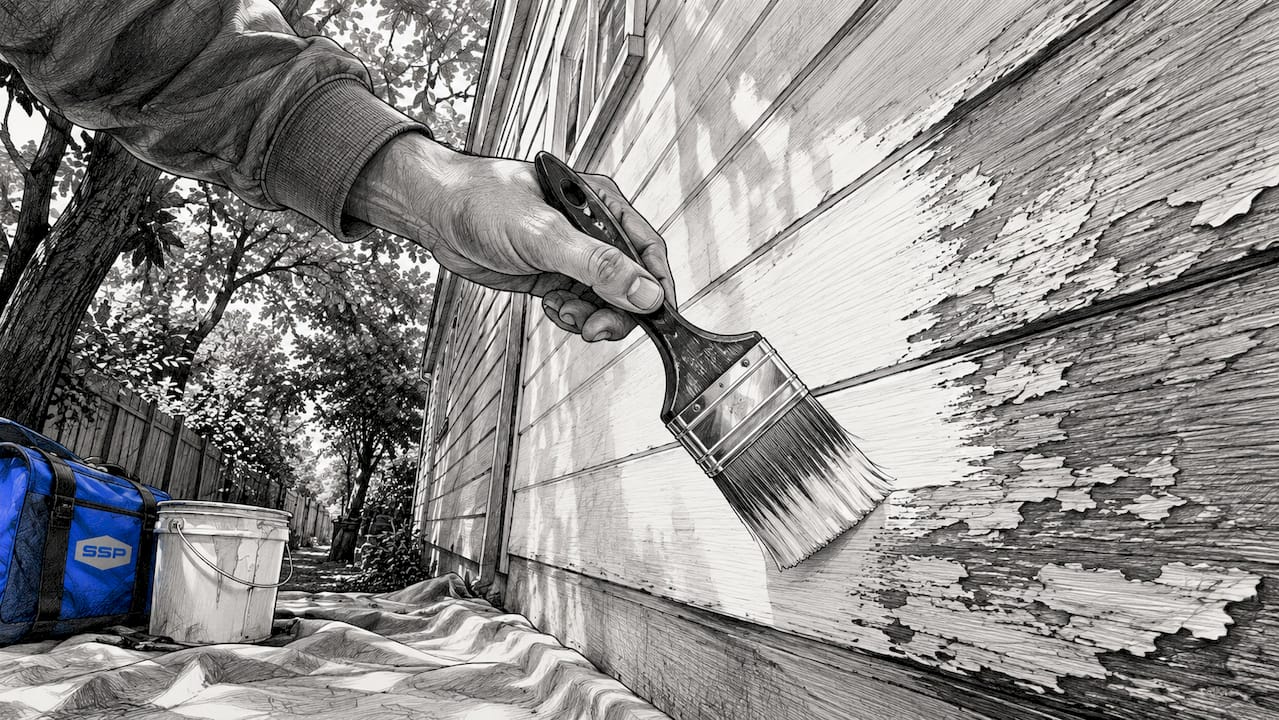
The importance of paint inspection also carries legal weight. Annual exterior inspections are the best legal and financial protection for building owners, proving due diligence and catching defects before they become dangerous or expensive. For property managers especially, documented inspections create a paper trail that supports warranty claims and satisfies liability requirements.
What does an annual paint inspection involve?
A thorough paint condition assessment covers every painted surface systematically, not just the areas visible from the street. The goal is to identify both surface symptoms and the underlying causes driving them.
Key signs of paint failure to look for:
- Peeling or flaking: Paint separating from the substrate signals moisture intrusion or adhesion failure. By the time peeling is visible, damage has often advanced to the substrate, requiring more costly repairs.
- Blistering: Bubbles beneath the paint surface indicate trapped moisture or solvent vapor. This is a substrate warning, not just a cosmetic issue.
- Chalking: A powdery residue on the surface means the paint binder is breaking down from UV exposure. Moderate chalking is normal aging; heavy chalking signals the coating has reached end of life.
- Cracking or checking: Fine surface cracks allow water entry. Left unaddressed, they expand with freeze-thaw cycles and accelerate deterioration.
- Mold or mildew staining: Dark streaks or patches on painted surfaces point to moisture problems in the substrate or inadequate ventilation.
Beyond the paint film itself, a complete inspection examines sealants around windows and doors, joints, gutters, and drainage paths. Blocked gutters and failed caulk joints are among the most common causes of paint failure because they direct water onto surfaces that were never designed to stay wet.
Pro Tip: Use a consistent walk pattern during every inspection. Start at one corner of the building, move clockwise, and photograph each elevation from the same vantage point each year. This method makes year-over-year comparison straightforward and reveals gradual changes that a casual walk-around would miss.
Environmental exposure shapes how fast paint deteriorates. UV radiation breaks down binders, moisture cycles stress adhesion, salt air accelerates corrosion on metal substrates, and freeze-thaw cycles force water into micro-cracks. Knowing your property's specific exposure profile helps you prioritize which surfaces need the closest attention each year.
Why annual inspections are a proactive strategy, not a reactive expense
The most common misconception about paint maintenance is that it only matters when something looks wrong. Paint failure symptoms often indicate deeper substrate or moisture problems that started long before the surface showed any sign of trouble. Waiting for visible damage means the repair scope has already grown.
"Routine inspections guide maintenance priorities, focusing on the highest exposure areas first rather than indiscriminate repainting. Documentation from annual reviews shapes maintenance strategy, turning a reactive expense into a planned, budgeted investment." Commercial Exterior Painting Maintenance Schedule
Property managers who treat inspections as insurance against major damage consistently report lower total maintenance costs over a building's life. The logic is straightforward: a $300 inspection that catches a failing sealant joint prevents a $4,000 moisture remediation job two years later.
Warranty compliance adds another layer of value to annual checks. Most paint warranties require proof of annual maintenance, including inspections. Skipping yearly reviews does not just risk paint failure. It voids the warranty protection you paid for when the job was done.
Surface preparation also becomes far more expensive when maintenance lapses. Surface preparation accounts for 60–70% of paint job success. Neglecting maintenance means costly redo of preparation work when the next repaint comes due. Annual inspections keep surfaces in a condition where future prep work stays manageable.
Facility managers who treat maintenance plans as dynamic documents, adjusting annually based on documented inspection findings rather than fixed repaint timelines, consistently get more value from their painting budgets. The inspection data tells you where to spend, not a calendar.
How often should you inspect paint?
Inspection frequency depends on three factors: building age, surface exposure, and climate. A single schedule does not fit every property.
| Building type | Exposure level | Recommended frequency |
|---|---|---|
| Coastal or salt-air property | High | Every year |
| Older building (20+ years) | Moderate to high | Every year |
| Freeze-thaw climate region | High | Every year, spring and fall |
| Newer suburban home | Low to moderate | Every 1–2 years |
| Low-exposure commercial building | Low | Every 2 years with monthly ground checks |
Buildings in coastal areas with salt air, freeze-thaw cycles, and older age need annual inspection due to accelerated exterior deterioration. For these properties, a once-a-year review is the minimum, not the ideal.
Pro Tip: Schedule two inspections per year if your property sits in a high-exposure environment. A spring inspection catches winter damage from ice, snow, and freeze-thaw stress. A fall inspection identifies surfaces that need attention before cold weather sets in. This two-pass approach costs very little extra time and prevents a full season of undetected deterioration.
Regular visual inspections after winter and summer help catch seasonal damage and prevent accelerated paint failure. Spring inspections focus on winter damage; fall inspections prepare surfaces for cold weather. After any severe weather event, a targeted check of the most exposed elevations is worth doing regardless of your regular schedule.
Newer properties in sheltered, low-humidity environments can extend the interval between detailed inspections, but basic monthly ground-level checks remain worthwhile. Walking the perimeter and looking for obvious changes takes 10 minutes and catches the kind of sudden failures, like a gutter pulling away from the fascia, that can cause rapid paint damage.
What steps should homeowners take to conduct yearly paint inspections?
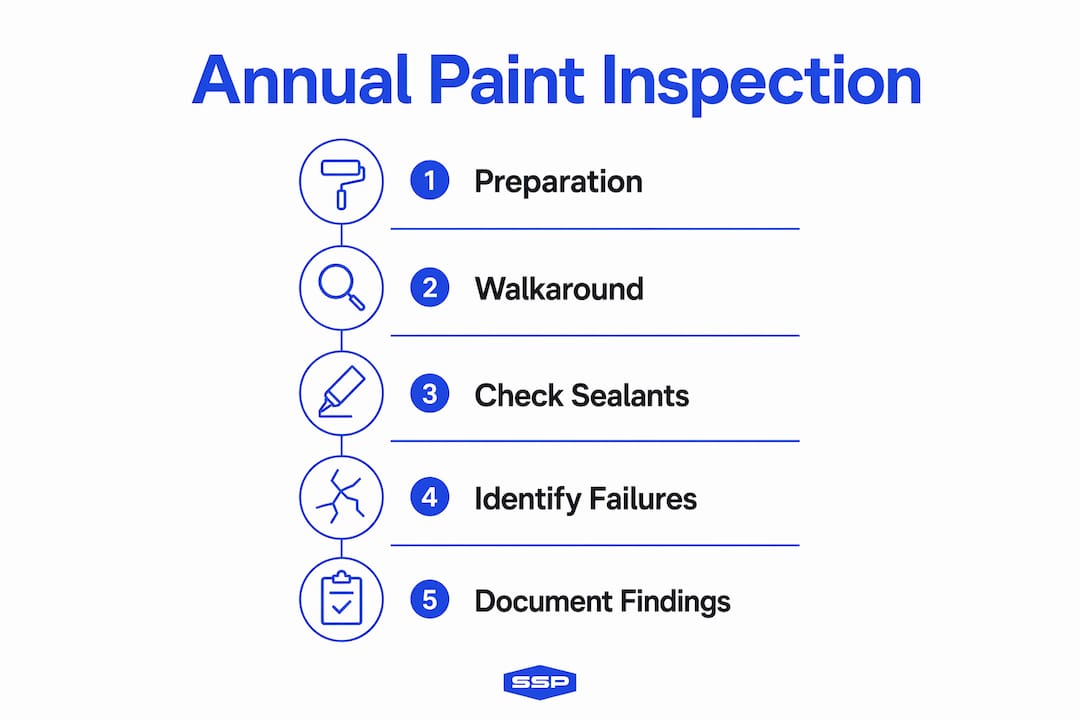
A repeatable process produces reliable results. Ad hoc inspections miss things. A structured routine does not.
-
Create a standardized checklist. Cover every painted surface category: siding, trim, soffits, fascia, window frames, door frames, and any painted masonry. Add gutters, downspouts, caulk joints, and drainage paths to the list. A checklist prevents the common mistake of focusing only on the most visible areas.
-
Photograph every elevation from fixed vantage points. Stand at the same spots each year and take photos at the same time of day when possible. Consistent lighting makes it easier to compare images year over year. Store photos in a dated folder so the progression is clear.
-
Prioritize by deterioration rate and moisture risk. Not every surface degrades at the same pace. West and south-facing walls take the most UV exposure. Areas near downspouts, grade-level surfaces, and north-facing walls with limited sun drying are highest-risk for moisture damage. Address these first when allocating repair budgets.
-
Schedule inspections after severe weather events. High winds, hail, and driving rain can damage paint and sealants in ways that are not obvious until water has already entered the substrate. A targeted post-storm check of exposed elevations catches these failures early.
-
Know when to call a professional. Homeowners can conduct effective ground-level inspections, but upper elevations, complex rooflines, and any area where blistering or substrate damage is suspected benefit from a professional assessment. A qualified painter can distinguish between surface-level aging and active failure that needs immediate repair.
Combining in-person observations, photo logs, and professional reviews keeps paint in good condition and creates a maintenance record that supports warranty claims and future planning. The importance of paint inspection grows with every year a property ages, because older substrates have less tolerance for moisture intrusion and adhesion stress.
Key takeaways
Annual paint inspections are the most cost-effective way to extend paint life, protect building substrates, and avoid expensive repairs driven by undetected moisture damage.
| Point | Details |
|---|---|
| Inspect at least once a year | High-exposure and older properties need yearly checks; low-exposure properties need them every 1–2 years. |
| Catch failures at the surface level | Peeling, blistering, and chalking are early warnings; waiting for visible damage means substrate repair is already needed. |
| Document with photos every year | Consistent vantage points and dated photo logs reveal gradual changes that a single walk-around cannot detect. |
| Protect warranty coverage | Most paint warranties require documented annual maintenance; skipping inspections voids that protection. |
| Prioritize high-exposure areas | West and south-facing walls, areas near gutters, and grade-level surfaces deteriorate fastest and need first attention. |
What I've learned after years of watching paint fail
Ryan here. The most expensive paint jobs I've seen were not the result of bad paint or bad painters. They were the result of nobody looking at the building for three or four years. By the time the owner noticed the peeling, the moisture had already worked its way behind the siding. What should have been a repaint became a full remediation.
The shift that changes everything is treating an annual inspection as a scheduled event, not something you do when something looks wrong. I've watched property managers who do this consistently spend a fraction of what their neighbors spend on emergency repairs. They know exactly which wall needs attention next spring, and they budget for it. There is no surprise.
One thing that surprises homeowners is how much a simple photo record changes the conversation. When you can show a painter a photo from two years ago next to one from today, the scope of work becomes obvious and the estimate becomes accurate. Without that record, you are guessing. With it, you are managing.
The curb appeal impact of well-maintained paint is real and measurable, but the structural protection it provides is the more important story. Paint is not decoration. It is the building's skin. Treat it accordingly.
— Ryan
Southshorepaint can help you stay ahead of paint deterioration
Southshorepaint specializes in exterior and interior finishes built on proper preparation, premium materials, and workmanship designed to last. If your property is due for a yearly paint check or you have noticed early signs of failure, the right next step is a professional assessment before small problems become expensive ones.

Southshorepaint works with homeowners and property managers across residential and commercial properties to evaluate paint condition, identify substrate issues, and plan maintenance that fits your schedule and budget. Whether you need a full exterior paint evaluation or guidance on what to look for during your own annual walk-around, Southshorepaint brings the experience to make that assessment count. Reach out to schedule your inspection and get a clear picture of where your property stands.
FAQ
Why inspect paint yearly instead of every few years?
Annual inspections catch early failure signs like chalking, cracking, and blistering before they reach the substrate. Waiting longer means moisture damage and structural decay are already underway by the time you notice a problem.
What are the most common signs of paint failure to look for?
Peeling, blistering, chalking, cracking, and mold staining are the primary indicators. Each signals a different failure mode, from moisture intrusion to UV breakdown, and each requires a different repair approach.
Does skipping annual inspections affect my paint warranty?
Most paint warranties require documented annual maintenance, including inspections. Skipping yearly reviews gives manufacturers grounds to deny warranty claims when paint fails prematurely.
How do I track paint condition changes from year to year?
Photograph each building elevation from the same vantage points every year and store images in dated folders. Consistent photo records make it easy to distinguish normal aging from active deterioration that needs repair.
When should I hire a professional instead of inspecting paint myself?
Hire a professional when you notice blistering, substrate damage, or any area you cannot safely access from the ground. Upper elevations and complex rooflines need trained eyes and proper equipment to assess accurately.