
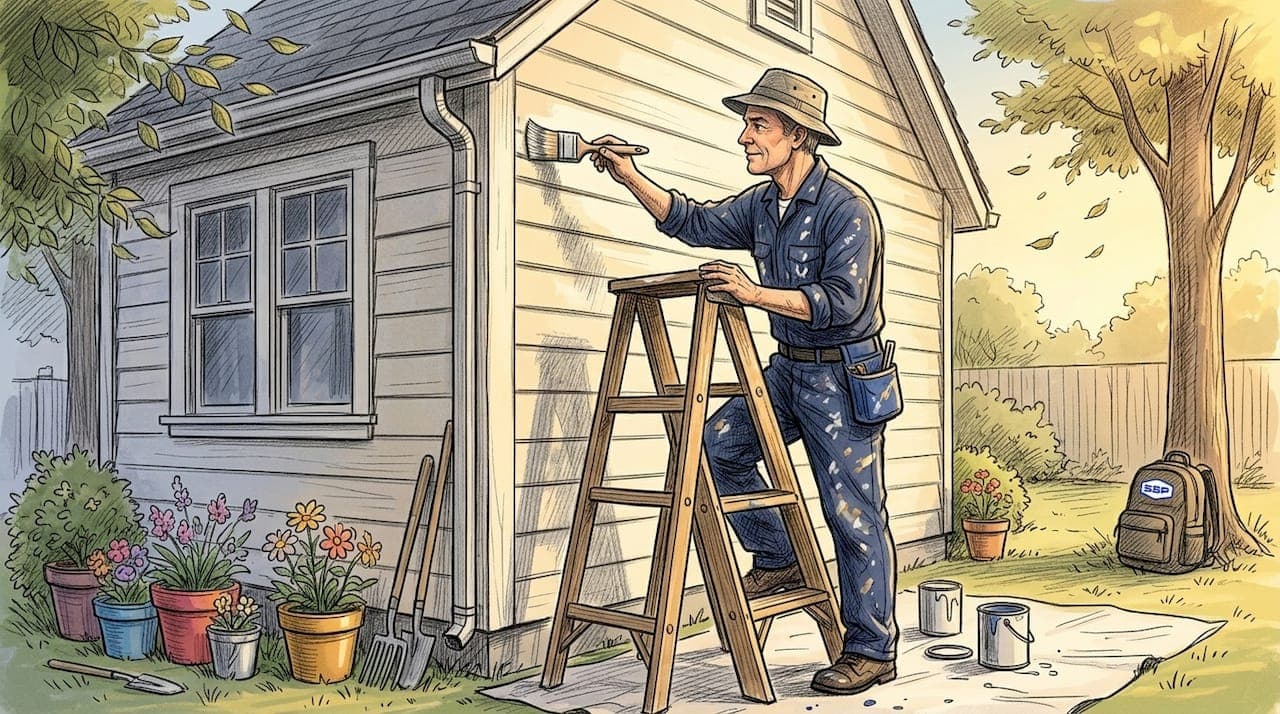
Seasonal painting is defined as the practice of scheduling paint application to align with specific weather conditions that support proper adhesion, curing, and long-term surface protection. The role of seasonal painting goes well beyond aesthetics. Timing a paint project correctly determines whether a finish lasts three years or ten. Industry standards identify spring and fall as the optimal windows for exterior work, with ideal application temperatures between 50°F and 90°F and humidity below 85%. Southshorepaint builds every project schedule around these conditions because proper timing is what separates a lasting finish from a premature failure.
Why are spring and fall the best seasons for exterior painting?
Spring and fall deliver the stable, moderate conditions that exterior paint needs to cure correctly. Temperatures stay within the 50°F to 90°F range that water-based architectural paints require to form a durable film. Humidity stays manageable, and multi-day dry stretches are far more common than in summer or winter.
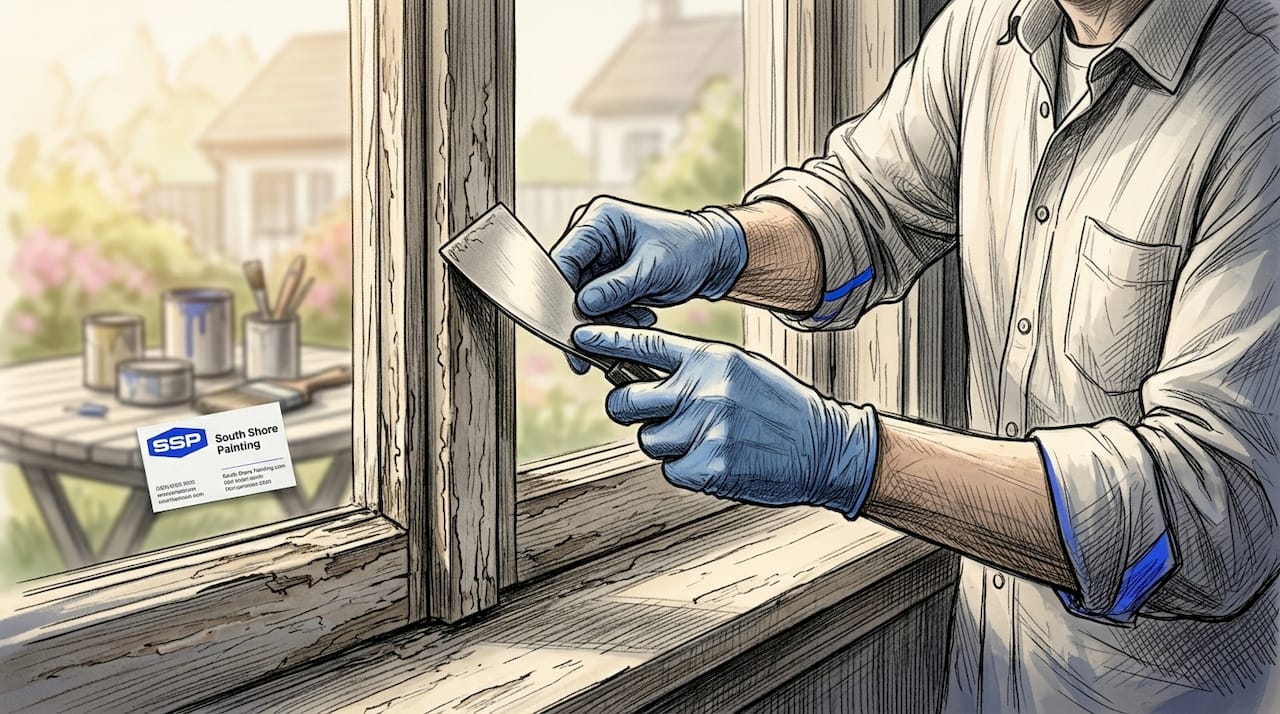
Painting outside these windows creates real technical problems. High summer heat causes paint to dry too fast, trapping solvents and producing blistering or uneven sheen. Winter cold prevents proper film formation, leading to cracking and poor adhesion. Manufacturers recommend avoiding application within 24–48 hours of rain and staying within the approved temperature and humidity ranges. Ignoring those guidelines is the fastest way to void a product warranty.
Weather unpredictability adds another layer of risk. A warm october afternoon can turn cold overnight, locking moisture under a fresh coat before it cures. A late spring rainstorm can wash uncured latex off a freshly painted surface entirely. Monitoring a 10-day forecast before scheduling any exterior work is not optional. It is the baseline standard for professional results.
- Ideal temperature range: 50°F to 90°F
- Maximum humidity: below 85%
- Rain-free window required: 24–48 hours after application
- Avoid direct midday sun on hot surfaces, which accelerates drying unevenly
- Check overnight low temperatures, not just daytime highs
Pro Tip: Check a 10-day extended forecast, not just a 3-day outlook. A dry week that turns rainy on day eight can ruin a freshly painted surface that has not fully cured.
Understanding how weather shapes paint adhesion helps homeowners make smarter scheduling decisions and avoid costly rework.
How does seasonal timing affect interior painting differently?
Interior painting offers more flexibility than exterior work because climate control removes the most extreme weather variables. That said, seasonal factors still influence humidity levels, ventilation options, and drying times indoors. Spring and fall remain preferred for interior projects because outdoor humidity is balanced and windows can stay open without inviting extreme heat or cold.
Summer has a real advantage for interior work in one specific way. Longer daylight hours give contractors extended working time, which helps complete large rooms or multi-room projects without rushing. The trade-off is higher humidity in many regions, which slows drying and can cause lap marks if coats are applied too quickly.
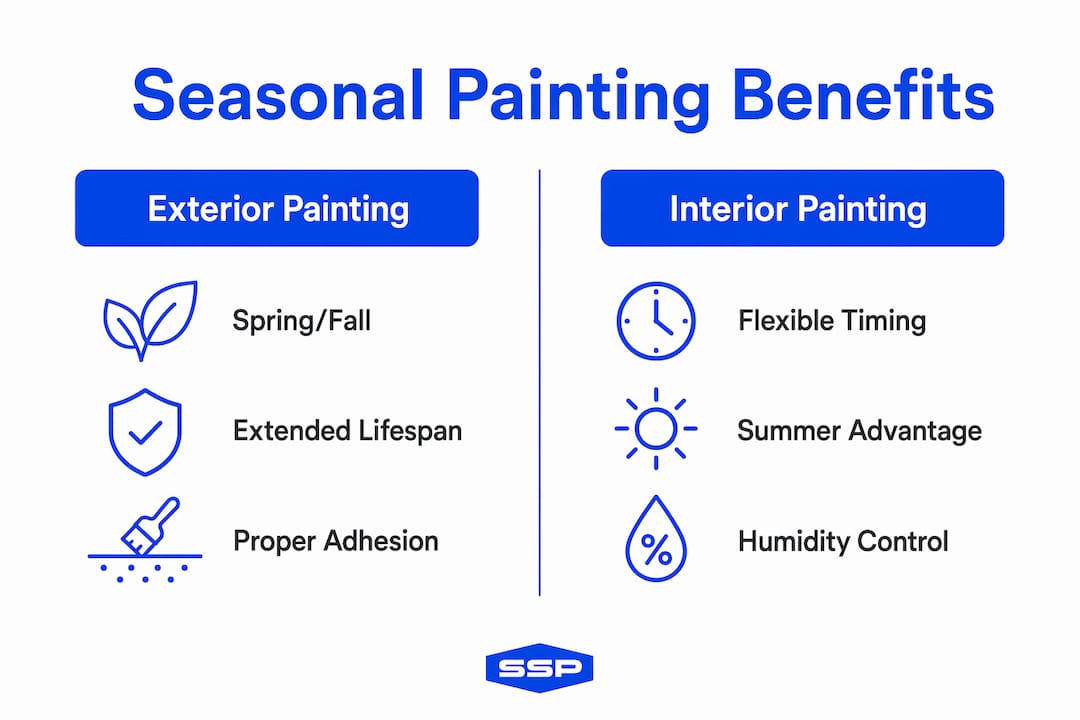
Winter presents the most consistent interior painting challenges. Forced-air heating systems drop indoor humidity sharply, causing water-based paints to dry faster than the label recommends. That accelerated drying creates lap marks and brush drag. Ventilation is also limited in cold months, so paint odors linger longer and air quality suffers. These are not deal-breakers, but they require adjusted technique and product selection.
The scheduling benefit of interior painting in the off-peak season is often overlooked. Contractor availability improves significantly outside the summer rush, and pricing tends to be more competitive. Homeowners who book interior projects in late fall or early winter often get faster turnaround and more flexible scheduling than those who wait for the spring rush.
- Spring: balanced humidity, easy ventilation, ideal for most interior projects
- Summer: longer days support large projects, but monitor humidity carefully
- Fall: similar to spring, excellent ventilation, comfortable working conditions
- Winter: manageable with climate control, but plan for slower drying and limited ventilation
Pro Tip: If you must paint interiors in winter, run a humidifier in the room 24 hours before application. It brings humidity closer to the 40–50% range that most latex paints need for proper flow and leveling.
What are the benefits of aligning your schedule with seasonal conditions?
Proper seasonal scheduling directly extends paint lifespan. Seasonal application aligned with best practices reduces premature paint failure, minimizes costly repairs, and preserves curb appeal over time. A paint job applied in the right conditions simply lasts longer because the film cures completely and bonds tightly to the substrate.
The financial case is straightforward. A paint job that fails in three years instead of lasting eight or ten costs you money twice: once for the original work and again for the early repaint. Ignoring seasonal timing is the leading cause of failures like peeling and fading, not product quality or workmanship. That is a critical distinction because it means most premature failures are entirely preventable.
Curb appeal and property value are also tied to paint condition. Faded, chalking, or peeling paint signals deferred maintenance to buyers and appraisers. A well-timed repaint, done in the right season with quality materials, protects your property's value and keeps the exterior looking fresh for years.
Seasonal painting is not a preference. It is a maintenance standard. Homes painted outside optimal conditions consistently show earlier failure, regardless of paint brand or application skill.
Key benefits of seasonal alignment include:
- Longer paint lifespan: Proper curing prevents peeling, fading, and chalking
- Surface protection: Paint applied in stable conditions seals surfaces against moisture and UV damage
- Cost savings: Avoiding premature failure eliminates early repaints and repair costs
- Better curb appeal: Fresh, well-bonded paint maintains visual appeal and market value
- Fewer callbacks: Contractors working in optimal conditions deliver cleaner, more consistent results
How to plan and schedule your painting projects around the seasons
Early booking is the single most effective planning step a homeowner or property manager can take. Prime spring and fall windows book months in advance, and procrastination leads directly to missed opportunities. Securing a slot in february or march for a spring exterior project gives you time for surface prep, material selection, and weather monitoring.
Surface preparation is non-negotiable regardless of season. Cleaning, scraping, caulking, and priming must happen before any paint goes on. Paint surface quality determines how well the topcoat bonds and how long the finish holds. Skipping prep to save time is the most common reason a technically well-timed project still fails.
Choosing the right product for the season matters too. Some exterior paints are formulated for lower temperature application, extending the usable window into early spring or late fall. Ask your contractor or supplier about products rated for application down to 35°F if you are working near the edge of the recommended range.
| Factor | Exterior painting | Interior painting |
|---|---|---|
| Best seasons | Spring and fall | Spring, fall, and summer |
| Temperature range | 50°F to 90°F | Climate-controlled, 60°F to 80°F preferred |
| Humidity concern | High (below 85% required) | Moderate (forced air can over-dry in winter) |
| Ventilation needs | Natural airflow, avoid wind | Open windows when possible |
| Contractor availability | Peak demand in spring/fall | Better availability in fall/winter |
| Rain risk | 24–48 hour dry window required | Not a factor indoors |
Pro Tip: When booking a contractor, ask for a flexible scheduling clause tied to weather. Reputable painters will build a weather hold into the contract rather than painting in marginal conditions just to stay on schedule.
Reviewing your painting estimate workflow before committing to a project timeline helps you understand what to expect and where weather delays might affect the schedule.
Key Takeaways
Seasonal timing is the single most controllable factor in paint job longevity, and homeowners who schedule around optimal conditions consistently get better results and lower long-term costs.
| Point | Details |
|---|---|
| Optimal exterior conditions | Apply exterior paint between 50°F and 90°F with humidity below 85% for proper adhesion. |
| Spring and fall are best | These seasons offer stable temperatures and manageable humidity for both exterior and interior work. |
| Timing prevents failures | Most peeling and fading failures trace back to poor timing, not product or workmanship issues. |
| Book early | Prime spring and fall contractor slots fill months ahead; early booking secures the best weather windows. |
| Interior has flexibility | Climate control helps, but spring and fall still offer the best humidity and ventilation balance indoors. |
What I've learned after years of watching paint jobs succeed and fail
Most homeowners I talk to assume paint failures come down to cheap paint or a bad contractor. That assumption is wrong more often than it is right. The projects I have seen fail earliest almost always share one thing: they were done at the wrong time of year, usually because the homeowner waited too long to schedule and ended up painting in late november or during a humid august heat wave.
The frustrating part is that timing is the easiest variable to control. You cannot change the paint formula after it is on the wall. You cannot undo a coat applied at 38°F. But you can absolutely decide in january to book your spring exterior project before the calendar fills up. That one decision changes the outcome more than any product upgrade.
What I tell every homeowner is this: treat seasonal painting as a maintenance investment, not a cosmetic one. A properly timed paint job protects your siding, trim, and masonry from moisture intrusion, UV degradation, and freeze-thaw damage. The paint is the first line of defense your home has against the elements. When that defense fails early because of poor timing, the repair costs go well beyond a simple repaint.
The other thing worth saying plainly is that off-peak scheduling pays off in ways people underestimate. Booking interior work in fall or early winter gets you better contractor attention, more competitive pricing, and a crew that is not stretched thin across a dozen spring projects. The paint does not know what month it is indoors. You do, and you can use that to your advantage.
— Ryan
Southshorepaint is ready for your next seasonal project
Southshorepaint specializes in high-quality residential and commercial painting built around proper prep, premium materials, and scheduling that respects the conditions paint needs to perform. Whether you are planning a spring exterior refresh or a fall interior update, the team at Southshorepaint works with you to identify the right window and the right products for lasting results.
Exterior paint jobs booked in the right season last significantly longer and protect your property investment more effectively. Southshorepaint's exterior painting services are designed for homeowners who want results that hold up, not just a fresh coat that looks good for one season. Reach out early to secure your preferred spring or fall window before the schedule fills.
FAQ
What temperature is best for exterior painting?
Exterior paint performs best between 50°F and 90°F with humidity below 85%. Painting outside this range increases the risk of blistering, cracking, and poor adhesion.
Why do most paint jobs fail prematurely?
Ignoring seasonal timing is the leading cause of premature paint failure, including peeling and fading. Most homeowners blame product quality, but timing is the more common root cause.
Can I paint the interior of my home in winter?
Interior painting is possible in winter with climate control, but forced-air heating reduces humidity and causes faster drying. Spring and fall remain preferred for interior work because humidity and ventilation are easier to manage.
How far in advance should I book a painting contractor?
Prime spring and fall slots book months in advance. Booking in january or february for a spring project gives you the best choice of dates and allows time for proper surface preparation.
Does seasonal painting actually extend paint lifespan?
Yes. Proper seasonal application reduces premature paint failure and minimizes costly repairs by allowing the paint film to cure fully and bond tightly to the surface.